

Summary
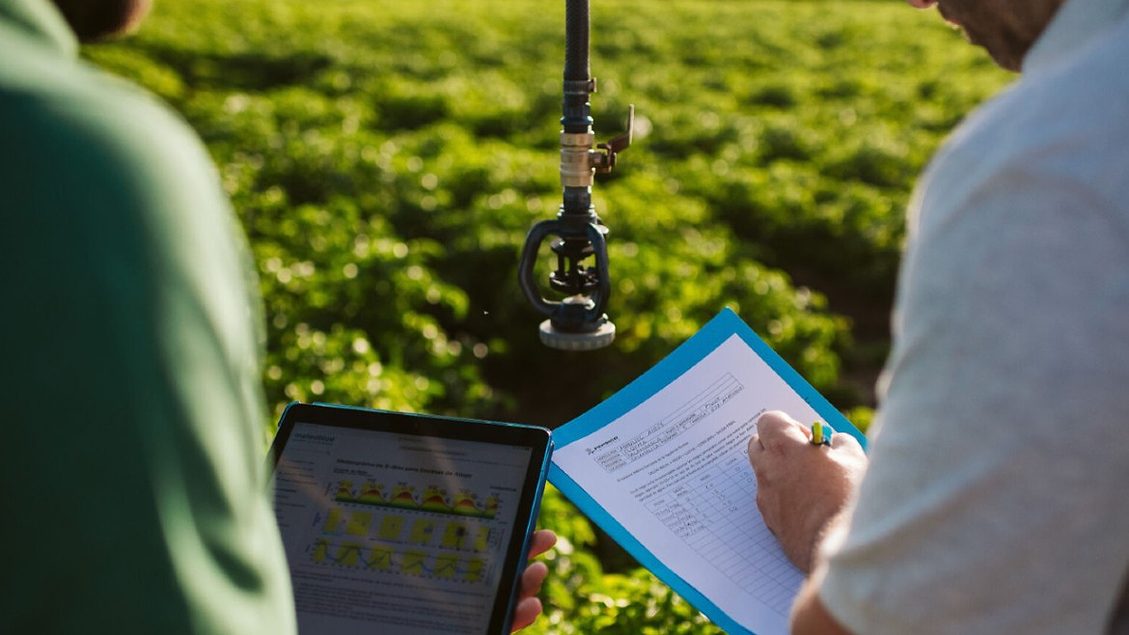
PepsiCo has announced progress against its 2030 Positive Agriculture (pep+) goals, highlighting gains in scaling regenerative agriculture and restorative and protective practices, advancing sustainable sourcing in accordance with its guidelines, and improvements in livelihoods through dedicated prog…
Source: foodengineeringmag.com

AI News Q&A (Free Content)
Q1: What are the key goals of PepsiCo's Positive Agriculture (pep+) initiative?
A1: PepsiCo's Positive Agriculture (pep+) initiative aims to achieve sustainable sourcing of 90% of its key ingredients by 2030. The initiative focuses on advancing regenerative agriculture, restorative and protective practices, and improving livelihoods. These efforts cover ingredients like potatoes, high fructose corn syrup, and whole corn, and aim to address systemic barriers to sustainable sourcing.
Q2: How is PepsiCo contributing to regenerative agriculture?
A2: PepsiCo is contributing to regenerative agriculture by implementing practices that cover 4.7 million acres globally, with a target of reaching 10 million acres by 2030. These efforts involve engaging farmers and collaborating with partner organizations to promote regenerative farming techniques that enhance soil health, biodiversity, and resilience to climate change.
Q3: What challenges does PepsiCo face in achieving its sustainable sourcing goals?
A3: PepsiCo faces challenges such as deforestation, lack of certified commodities, and systemic issues in certain markets. These challenges hinder fully achieving deforestation-free sourcing for high-risk commodities. Despite these obstacles, PepsiCo is striving to reach more than 90% sustainable sourcing by the end of 2025.
Q4: What impact do synthetic food ingredients have on health according to recent studies?
A4: Recent studies highlight that while synthetic food ingredients can enhance nutritional profiles and offer scalable production, they also pose challenges such as high production costs and potential health risks. The development of synthetic foods, including cultured meats and microbial proteins, is a promising approach to sustainable food security but requires careful consideration of health impacts.
Q5: What are the latest technological innovations in synthetic food production?
A5: Latest innovations in synthetic food production include advancements in cell and tissue culture technologies, genetically modified organisms (GMO), and microbial fermentation technology. These innovations aim to produce cultured meat, artificial sweeteners, and fortified dairy products with improved nutritional profiles, offering a sustainable solution for global food demands.
Q6: How are AI and digital technologies transforming precision agriculture?
A6: AI and digital technologies are transforming precision agriculture by offering tools like natural language mission planners that allow non-technical users to control robots for agricultural tasks. This technology facilitates complex agricultural missions, making automation more accessible and efficient, thus enhancing productivity and sustainability in farming.
Q7: What are the environmental implications of PepsiCo's sustainability efforts?
A7: PepsiCo's sustainability efforts aim to reduce carbon emissions and implement conversion-free sourcing. The company targets a 50% reduction in Scope 1 and 2 emissions by 2030 and strives for deforestation-free sourcing. These actions are part of a broader strategy to mitigate environmental impacts and contribute to global sustainability goals.
References:
- Environmental sustainability in basic research: a perspective from HECAP+
- One For All: LLM-based Heterogeneous Mission Planning in Precision Agriculture
- Recent strategies in synthetic food production for sustainable food security: applications and challenges.
