Summary
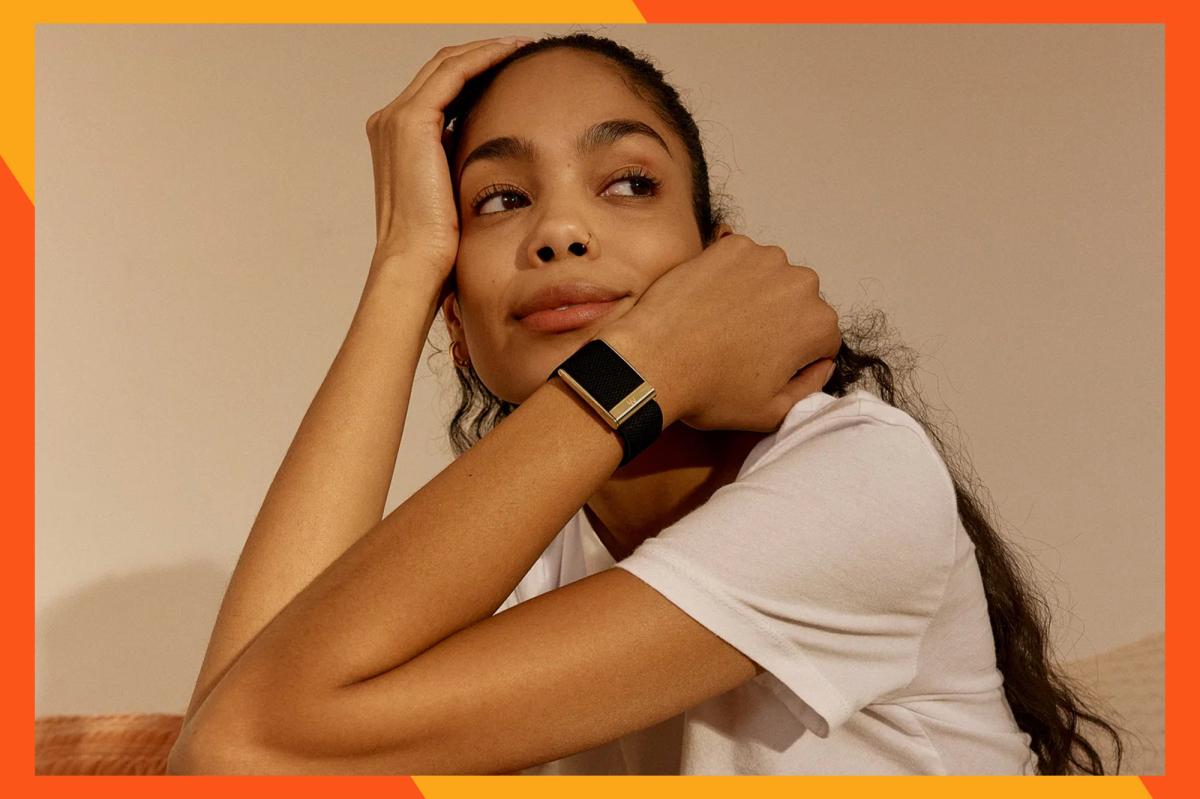
If May had your emotions on a rollercoaster, youre not alone. New data from wearable brand WHOOP found that anxiety and stress were the most commonly logged …
Source: nypost.com

AI News Q&A (Free Content)
Q1: How does WHOOP technology help in monitoring and managing stress levels?
A1: WHOOP technology utilizes features like the Stress Monitor, which provides real-time stress scores by measuring heart rate and heart rate variability (HRV). Users can log perceived stress levels and relate them to physiological metrics such as resting heart rate and sleep patterns. This helps in identifying trends and triggers affecting stress, enabling users to manage and control stress through lifestyle adjustments and activities like meditation or breathwork.
Q2: What are the findings of the WHOOP study on mental health and physiological changes?
A2: A WHOOP study analyzed over 300,000 mental health surveys linked to 7.9 million days of biometric data, revealing that higher Heart Rate Variability (HRV) and lower Resting Heart Rate (RHR) are associated with healthier mental well-being. The study found that stress leads to increased RHR and decreased HRV, indicating the body's adaptation to stress. These metrics help users understand the relationship between their physiological state and mental health.
Q3: What recent advancements in wearable technology for mental health monitoring have been made?
A3: Recent advancements include the integration of Artificial Intelligence (AI) with wearable sensors, enhancing the ability to analyze large volumes of health data for early diagnosis of mental health conditions like stress. AI models like the Pretrained Actigraphy Transformer (PAT) have been developed to predict mental health outcomes using wearable movement data, indicating improvements in accuracy and providing clinical insights for researchers and clinicians.
Q4: How are wearable sensors transforming healthcare, particularly in mental health?
A4: Wearable sensors are transforming healthcare by enabling remote, real-time health data collection, which supports early diagnosis and personalized treatment plans. These sensors can continuously capture physiological data, such as heart rate and activity levels, allowing for the monitoring of mental health conditions like stress. The integration of AI further enhances data analysis capabilities, making wearable technology a crucial tool in modern healthcare.
Q5: What role did technology play in mental health care during the COVID-19 pandemic?
A5: During the COVID-19 pandemic, technology played a pivotal role in mental health care by providing digital mental health interventions. Behavioral Intervention Technologies (BITs) offered evidence-based care for conditions like anxiety. The pandemic accelerated the adoption of digital services, highlighting their importance in providing accessible mental health care. However, challenges such as ensuring digital equity and workforce training need addressing to fully realize their potential.
Q6: What are the potential clinical insights provided by wearable sensor data models like PAT?
A6: Models like the Pretrained Actigraphy Transformer (PAT) offer clinical insights by predicting mental health outcomes with high accuracy. PAT uses wearable movement data to identify key periods of daily activity important for clinical predictions. This transparency and model interpretability provide valuable insights for clinicians, suggesting which activities or periods may influence mental health, thus aiding in personalized intervention strategies.
Q7: What challenges and considerations are associated with the deployment of wearable AI systems in healthcare?
A7: Deploying wearable AI systems in healthcare involves challenges like managing data privacy, ensuring regulatory compliance, and bridging the gap between research prototypes and clinically deployable systems. Advanced architectures, multimodal fusion, and explainable AI must be considered to provide effective and ethical healthcare solutions. Continuous research and adaptation are necessary to address these challenges and enhance the integration of AI in wearable health technologies.
References:
- Integrating Artificial Intelligence with Wearable Sensors for Advanced Health Monitoring and Diagnosis
- A Foundation Model for Wearable Movement Data in Mental Health Research
- Technology in Association With Mental Health: Meta-ethnography