Summary
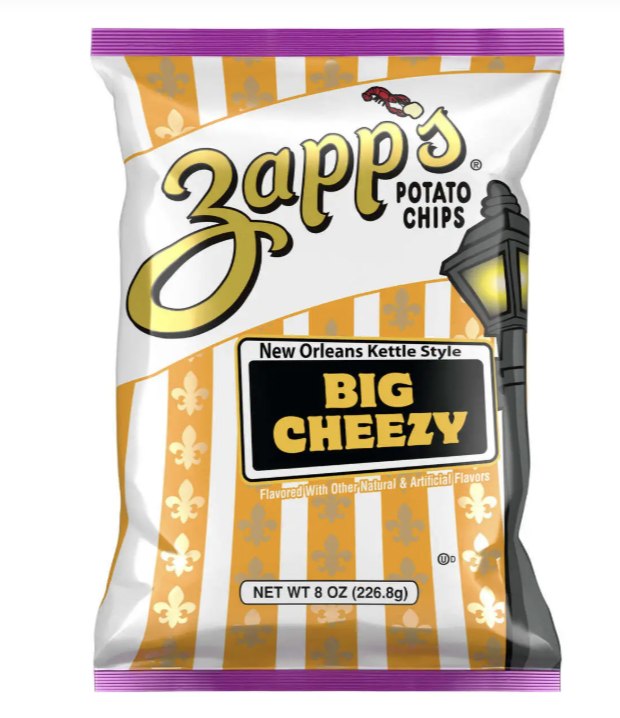
The FDA has upgraded the recall of Zapps and Dirty brand chips to Class I due to potential salmonella contamination from a California dairy suppliers dry milk powder.
Source: Ibtimes.com.au

AI News Q&A (Free Content)
Q1: What triggered the FDA to upgrade the recall of Zapps and Dirty brand chips to Class I?
A1: The FDA upgraded the recall to Class I due to potential salmonella contamination in Zapps and Dirty brand chips. The contamination risk originated from dry milk powder supplied by California Dairies, which is used in the seasoning of the chips. A Class I recall is the most serious type, indicating a reasonable probability that using the product will cause serious health consequences or death.
Q2: How does Salmonella contamination typically affect human health?
A2: Salmonella contamination can lead to salmonellosis, which manifests as diarrhea, fever, and abdominal cramps. Symptoms typically appear 12 to 36 hours after exposure and last from two to seven days. While most cases resolve without treatment, severe infections can occur, especially in young children, the elderly, and those with weakened immune systems, leading to dehydration and requiring medical attention.
Q3: What are the common sources of Salmonella contamination in food products?
A3: Salmonella contamination commonly originates from animal products such as meat, eggs, milk, and water. Contaminated food is often the result of contact with animal feces. Both vegetarian and non-vegetarian foods can be contaminated if they come into contact with infected animals or manure. Proper hygiene and food handling practices are crucial to prevent contamination.
Q4: What measures are being taken to address the Salmonella contamination in dairy products?
A4: Measures include recalls of contaminated products, improved hygiene practices in dairy farms, and controlled use of antimicrobials. Surveillance studies, such as those following the One Health framework, are conducted to monitor serovar prevalence and antimicrobial resistance, ensuring public health safety along the dairy value chain.
Q5: What findings have recent studies revealed about the prevalence of Salmonella in dairy products?
A5: Recent studies have found that raw milk is highly susceptible to Salmonella contamination. For instance, a study in India showed that 2% of raw milk samples were positive for Salmonella serovars. The study highlighted the need for improved dairy hygiene practices and integrated surveillance to address public health risks associated with raw milk consumption.
Q6: What actions have retailers taken in response to the FDA's Class I recall of chips?
A6: Retailers like Walmart, Costco, and Target have been involved in the recall process, urging consumers to discard or return affected chip products. They have removed the products from shelves and provided refunds to customers. The FDA's recall notice aims to prevent potential health risks from contaminated products.
Q7: Why is the FDA's Class I recall designation significant in the context of public health?
A7: A Class I recall designation is significant because it indicates the highest level of risk, where there is a reasonable probability that using or being exposed to a product will cause serious adverse health effects or death. This highlights the urgency and seriousness of the contamination issue, prompting immediate action to protect public health.