Summary
Scheme aims to address feedstock, offtake, pricing challenges and ensure long-term policy visibility for CBG producers
Source: thehindubusinessline.com

AI News Q&A (Free Content)
Q1: What is the GOBARdhan scheme, and how does it aim to strengthen India's energy security?
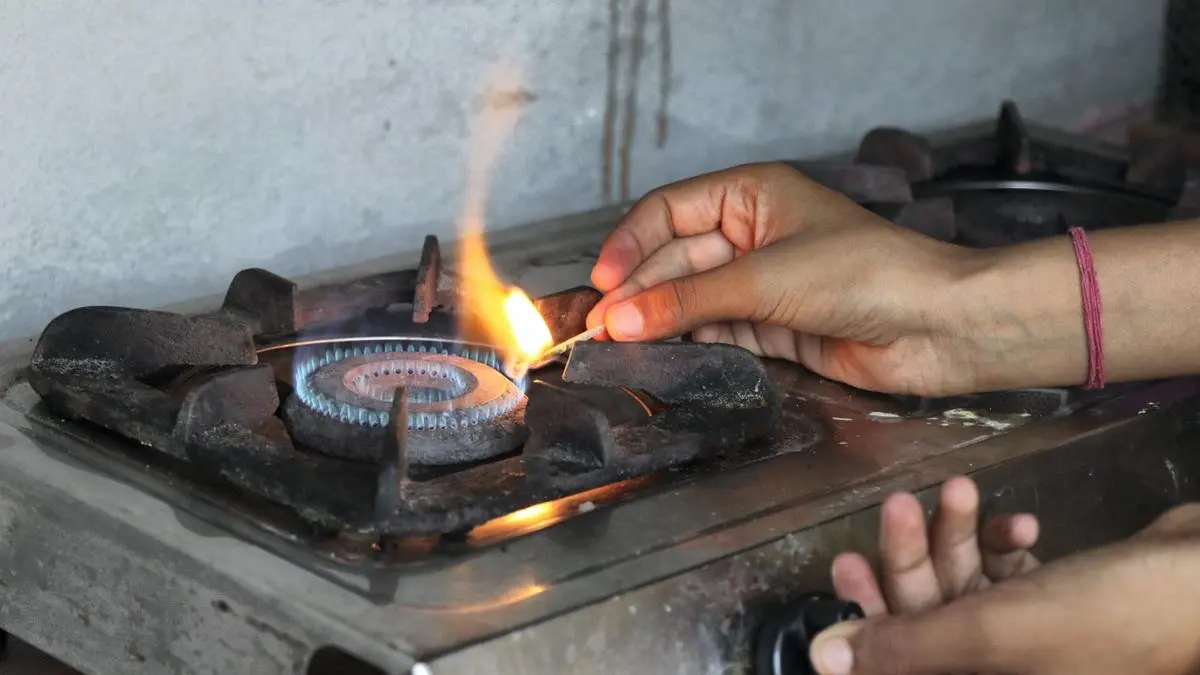
A1: The GOBARdhan scheme, part of the Swachh Bharat Mission, focuses on transforming organic waste into valuable resources like biogas and compressed biogas (CBG). It aims to address challenges in the CBG sector, such as feedstock availability, pricing, and offtake assurance, to enhance India's energy security. The scheme facilitates the integration of waste management with renewable energy production, promoting a circular economy model across India.
Q2: How does the integrated GOBARdhan scheme plan to overcome the challenges faced by CBG producers in India?
A2: The integrated GOBARdhan scheme addresses challenges such as feedstock availability, offtake assurance, and pricing certainty for CBG producers. It introduces a consolidated policy framework and financial support to promote CBG production, ensuring no CBG is wasted. The scheme also includes the development of a robust supply chain and infrastructure enhancements to ensure seamless production and distribution.
Q3: What role does policy play in the growth of India's CBG sector under the GOBARdhan scheme?
A3: Policy support, through initiatives like SATAT and GOBARdhan, plays a crucial role in bolstering India's CBG sector. These policies offer financial incentives, promote waste-to-energy projects, and ensure assured offtake and capital subsidies. This comprehensive policy framework facilitates the growth of CBG plants and aligns with India's goals for energy self-reliance and reduced crude oil imports.
Q4: How does the GOBARdhan scheme contribute to the circular economy in India?
A4: The GOBARdhan scheme promotes the circular economy by converting organic waste into biogas, CBG, and organic manure, thereby reducing environmental liabilities. It supports decentralized processing and creates a sustainable feedstock supply chain, aligning with circular economy principles of resource efficiency and waste minimization.
Q5: What are the recent developments in the policy framework for CBG and biogas in India?
A5: Recent policy developments for CBG and biogas in India include the introduction of the E20 ethanol blend and plans to establish 500 new Waste-to-Wealth plants. These initiatives are part of a broader strategy to enhance the uptake of biogas plants and promote sustainable waste management, with the GOBARdhan scheme as a central component.
Q6: What insights do scholarly articles provide on the integration of circular economy principles in the biogas sector?
A6: Scholarly articles highlight the potential of intelligent metasurfaces and network management logic to enforce circular economy principles in product design and software industries, respectively. These studies suggest that similar principles could be applied to enhance efficiency and resource management in the biogas sector, promoting sustainable practices.
Q7: What challenges are identified in implementing circular economy practices in India's industries, and how might they relate to the biogas sector?
A7: Challenges in implementing circular economy practices in India include supply chain coordination, consumer engagement, and regulatory compliance. These issues, identified in the textile industry, may also affect the biogas sector, emphasizing the need for a clear framework and strategic partnerships to overcome barriers and promote circular practices.
References:
- Towards a Circular Economy via Intelligent Metamaterials
- Organizing Network Management Logic with Circular Economy Principles
- Investigating Circularity in India's Textile Industry: Overcoming Challenges and Leveraging Digitization for Growth