Summary
The anti-inflammatory diet is one of wellnesss most overused phrases. Heres what the peer-reviewed research actually supports for plant-based eaters in 2026.
Source: onegreenplanet.org

AI News Q&A (Free Content)
Q1: What are the main components of an anti-inflammatory diet for plant-based eaters, and how do they work?
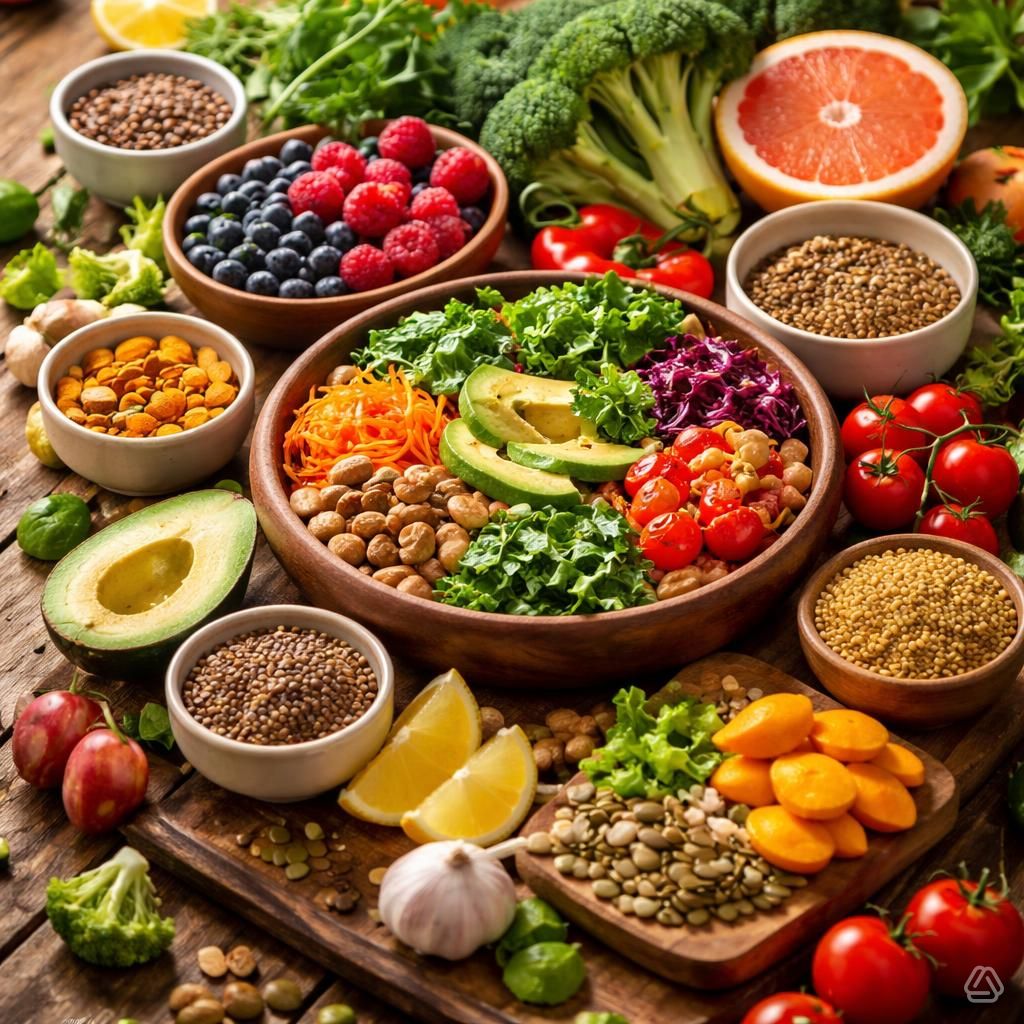
A1: An anti-inflammatory diet for plant-based eaters primarily includes foods rich in omega-3 fatty acids, antioxidants, and polyphenols. Walnuts, chia seeds, and flaxseeds provide ALA, a plant-based omega-3 that supports inflammation regulation. Dark leafy greens like Swiss chard and spinach, along with berries and avocados, are high in anti-inflammatory compounds. Spices such as turmeric also play a crucial role in reducing inflammation. These foods work by providing essential nutrients that support metabolic health and reduce oxidative stress, which is a key factor in chronic inflammation.
Q2: How does the fermentation of plant proteins contribute to their anti-inflammatory properties according to recent research?
A2: Recent studies, such as the one on fermented chestnut protein, show that fermentation using Lactobacillus rhamnosus can enhance the anti-inflammatory properties of plant proteins. This process breaks down macromolecular proteins into bioactive peptides, amino acids, and functional components like GABA. These compounds improve systemic inflammation and promote intestinal and hepatic health through increased production of short-chain fatty acids, which regulate metabolic pathways linked to inflammation control.
Q3: What scientific evidence supports the link between plant-based diets and reduced inflammation?
A3: A systematic review and meta-analysis of randomized controlled trials indicates that individuals following plant-based diets have significantly lower levels of C-reactive protein, a marker of inflammation. This reduction is attributed to the high intake of fruits, vegetables, whole grains, and seeds, which are rich in anti-inflammatory compounds. These findings suggest that plant-based diets can effectively reduce chronic inflammation, which is linked to diseases such as heart disease and diabetes.
Q4: What role do nuts and seeds play in an anti-inflammatory diet, and what specific nutrients do they provide?
A4: Nuts and seeds, such as walnuts, chia seeds, and flaxseeds, are integral to an anti-inflammatory diet due to their high content of omega-3 fatty acids, vitamin E, and fiber. These nutrients help reduce systemic inflammation by nourishing gut bacteria and balancing the microbiome. Additionally, they support heart health and provide essential fats that are beneficial for reducing oxidative stress and inflammation.
Q5: How does the inclusion of dark chocolate in a plant-based diet benefit inflammation control?
A5: Dark chocolate with a high cocoa content (70% or above) contains flavanols and polyphenols, which are compounds that act as antioxidants. These antioxidants help support heart and vascular health by reducing inflammation and oxidative stress. Including a small portion of dark chocolate in the diet can be a satisfying way to enhance the intake of plant-based compounds that contribute to a healthier inflammatory response.
Q6: What are some of the recommended daily habits to support an anti-inflammatory lifestyle in 2026?
A6: To support an anti-inflammatory lifestyle, it is recommended to hydrate before caffeine intake, consume 25 to 35 grams of fiber daily, include high-protein meals, add servings of greens, walk 10 minutes after meals, practice breathing exercises, and maintain a consistent sleep schedule. These habits help promote overall health, reduce stress, and improve circulation, all of which contribute to reducing inflammation.
Q7: What are the potential benefits of using minimally processed oils in an anti-inflammatory diet?
A7: Minimally processed oils, such as extra virgin olive oil, avocado oil, and flaxseed oil, are beneficial in an anti-inflammatory diet as they provide healthy fats that support overall nutrition and inflammation control. These oils are rich in monounsaturated fats and omega-3 fatty acids, which help reduce inflammation and support heart health. They also enhance the absorption of fat-soluble vitamins and antioxidants from other foods, contributing to a balanced dietary approach.
References:
- Anti-inflammatory - https://en.wikipedia.org/wiki/Anti-inflammatory
- Fermentation of chestnut protein by Lactobacillus rhamnosus ameliorates chronic inflammation - Elsevier B.V.
- Plant-Based Diet Associated With Reduced Inflammation - https://www.pcrm.org/news/health-nutrition/plant-based-diet-associated-reduced-inflammation
- List of Foods with Anti-Inflammatory Properties - https://dulwichhealth.co.uk/blogs/blog/2026-list-of-foods-with-anti-inflammatory-properties
- 7 Best Anti-Inflammatory Foods - https://www.eatbreadless.com/blog/7-best-anti-inflammatory-foods/
- The 2026 Anti-Inflammatory Diet Reset - https://alayanaturals.com/blogs/news/the-2026-anti-inflammatory-diet-reset