Summary
Italian poultry group Amadori has acquired the Unconventional plant-based foods business from local peer Granarolo.
Financial terms were not disclosed.
In a statement, Cesena-based Amadori said the acquisition represents a fundamental pillar to accelerate and strengthen its leadership in the ov…
Source: Yahoo Finance

AI News Q&A (Free Content)
Q1: What is the significance of Amadori's acquisition of the Unconventional plant-based foods business for the Italian market?
A1: The acquisition of the Unconventional plant-based foods business by Amadori represents a strategic move to bolster its presence in the rapidly growing plant-based protein sector. This acquisition enables Amadori to become the third-largest player in the Italian plant-based processed foods market, which is valued at over €208 million. The transaction aligns with the company's diversification strategy, aimed at expanding its portfolio to include both animal and plant-based proteins.
Q2: How does Granarolo's divestment of its plant-based business align with its strategic goals?
A2: Granarolo's decision to sell its Unconventional plant-based unit to Amadori aligns with its strategic focus on strengthening its core dairy business. The company aims to simplify its business model by concentrating on milk and dairy products, thereby enhancing its market position in this sector while maintaining Italian ownership of the brand.
Q3: What are the implications of Amadori's acquisition for its workforce and production capabilities?
A3: The acquisition of Unconventional includes the integration of the production site in Coriano and the entire workforce into Amadori. This move not only ensures continuity of production but also enhances Amadori's logistical and commercial network in Italy. The company, with over 9,400 employees, supports the brand's development while preserving its identity and reinforcing the group's growth trajectory.
Q4: What are the latest trends in the plant-based food industry in Italy?
A4: The plant-based food industry in Italy is experiencing significant growth, with a penetration rate of 28.7% among Italian households. The market for plant-based processed foods has seen a growth rate of 5.9% in volume and 3.8% in value, highlighting the increasing consumer demand for alternative protein sources. This sector is considered dynamic and is attracting investments from major agri-food groups.
Q5: How do plant-based foods contribute to sustainability and environmental goals?
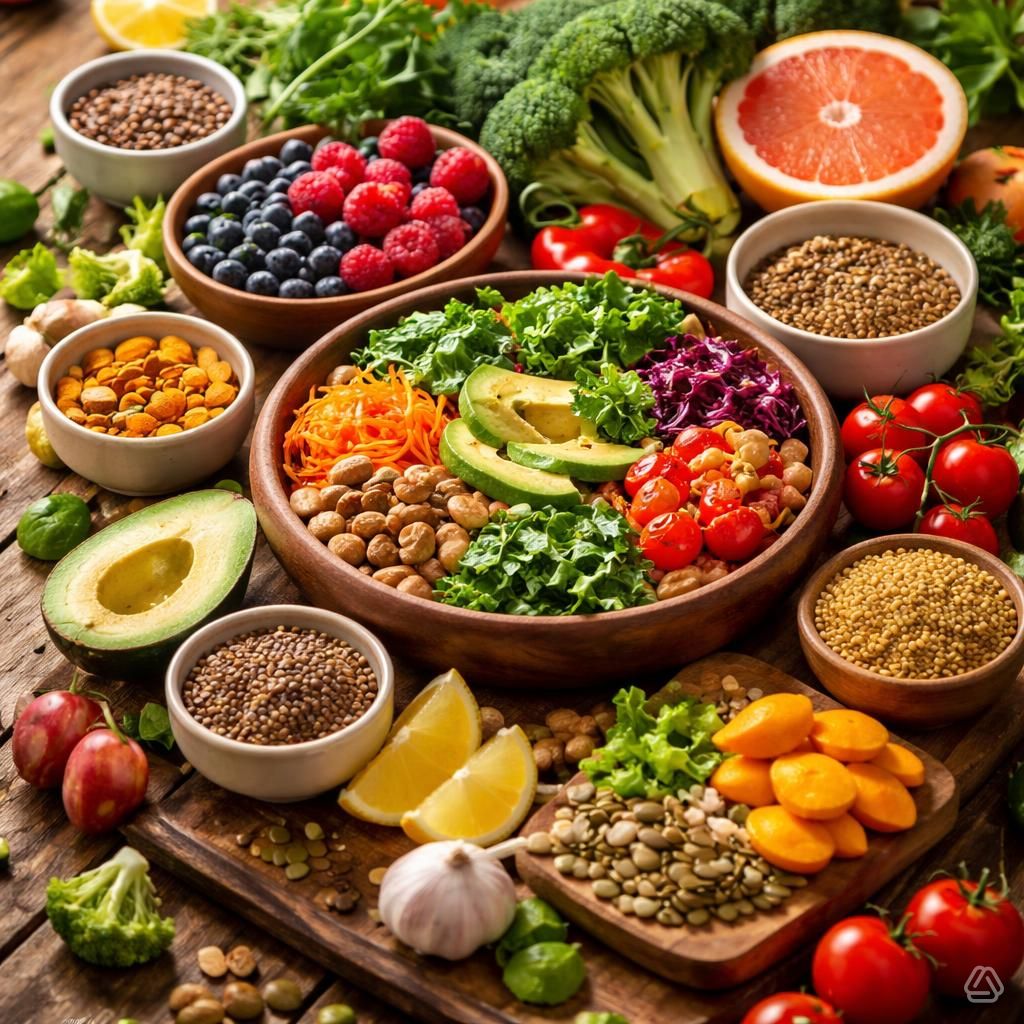
A5: Plant-based foods contribute to sustainability by reducing the carbon footprint associated with animal agriculture. They require fewer resources, such as water and land, and result in lower greenhouse gas emissions. As consumers become more environmentally conscious, the demand for plant-based alternatives is expected to rise, supporting global sustainability efforts.
Q6: What research supports the growth trajectory of the plant-based food market?
A6: Research indicates that the plant-based food market is poised for growth due to increasing consumer awareness of health and environmental benefits. Studies show that plant-based diets can lead to improved health outcomes and reduced environmental impact, which are key factors driving market expansion. The market's growth trajectory is supported by data reflecting increasing adoption rates and consumer interest in healthier dietary options.
Q7: What challenges might Amadori face in integrating the Unconventional brand into its existing operations?
A7: Amadori may face challenges such as aligning the brand's identity with its existing portfolio and managing the logistics of integrating the new production site and workforce. Additionally, maintaining the brand's innovative edge while meeting consumer expectations in a competitive market could pose challenges. However, with its robust commercial and logistical framework, Amadori is well-positioned to overcome these challenges and capitalize on the brand's potential.