Summary
A portable molecular test, MiniDock MTB, detected pulmonary tuberculosis rapidly and accurately across seven high-burden countries, using sputum or tongue swab …
Source: news-medical.net

AI News Q&A (Free Content)
Q1: What is the MiniDock MTB test, and how does it improve tuberculosis detection?
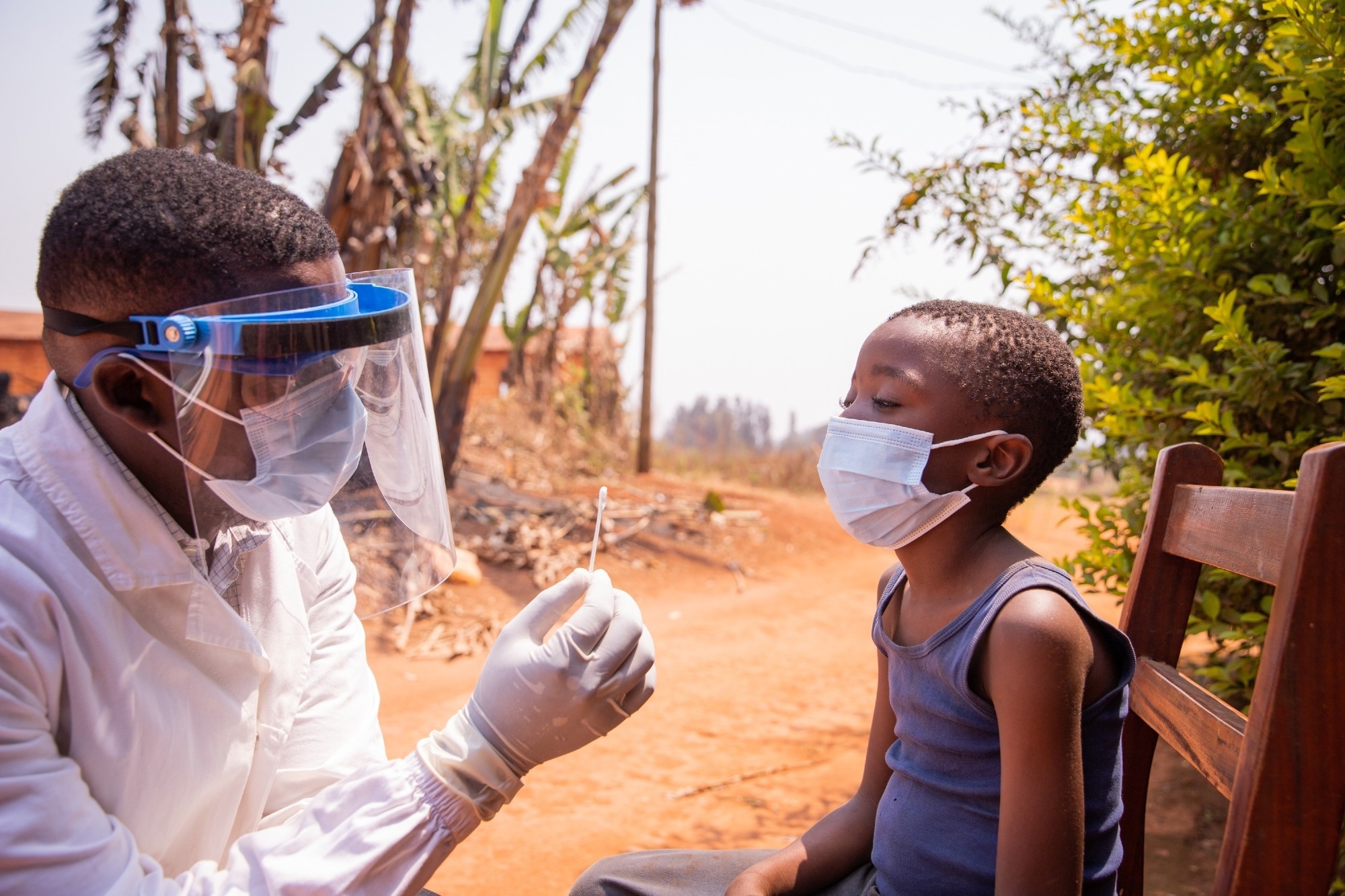
A1: The MiniDock MTB test is a portable, battery-operated near point-of-care nucleic acid amplification test (NPOC-NAAT) designed for rapid tuberculosis detection. It uses a swab for sample collection and provides results in approximately 30 minutes. The test meets WHO standards for accuracy and usability, showing high sensitivity and specificity, especially with sputum samples. Its portability and ease of use make it feasible for implementation in peripheral health centers, expanding access to TB testing globally.
Q2: How does the accuracy of MiniDock MTB compare to traditional TB diagnostic methods?
A2: The MiniDock MTB shows a sensitivity of 85.7% with sputum samples and 79.6% with tongue swabs, with a specificity greater than 97.5% for both. It offers higher sensitivity than smear microscopy and matches closely with the Xpert MTB/RIF Ultra assay in terms of diagnostic accuracy. This makes it a reliable alternative to traditional methods, which can be less accessible in resource-limited settings.
Q3: What are the limitations of the MiniDock MTB test?
A3: The main limitation of the MiniDock MTB test is its reduced sensitivity with tongue swabs from patients with a lower mycobacterial load and its current inability to detect drug-resistant TB. Despite these limitations, it still meets WHO requirements for non-sputum testing and offers a viable option for patients unable to produce sputum.
Q4: What other non-invasive methods are being explored for TB diagnosis?
A4: Besides the MiniDock MTB, saliva tests are being explored as a promising non-invasive TB diagnostic method. Research indicates saliva tests demonstrate a sensitivity of 90.5% and a specificity of 95.8%, making them potentially more effective than oral swabs. These methods could provide alternatives for patients who struggle to produce sputum, thereby improving TB detection accessibility.
Q5: How has the WHO updated its guidelines for TB diagnosis based on recent advances?
A5: The WHO has updated its TB diagnosis guidelines to include new near-point-of-care molecular tests and the use of tongue swabs as easily collectable specimens. These updates aim to simplify and expand access to testing, particularly in resource-limited settings, while maintaining high standards of accuracy and cost-effectiveness.
Q6: What role does machine learning play in TB diagnosis advancements?
A6: Machine learning, specifically through algorithms like principal component analysis (PCA), is being utilized to enhance the sensitivity and specificity of TB detection methods, such as those using Raman spectroscopy. These advancements allow for rapid, non-invasive TB diagnosis via sputum samples, providing a potential platform for future diagnostic developments.
Q7: Why is non-invasive testing crucial for TB control in high-burden countries?
A7: Non-invasive testing is crucial for TB control as it overcomes the logistical challenges of sputum collection, which can be difficult for many patients. Methods like tongue swabs and saliva tests are painless, easy to perform, and do not require specialized facilities, making them ideal for use in high-burden countries where TB is prevalent and healthcare resources are limited.
References:
- Pulmonary Tuberculosis Detection with MiniDock MTB Using Swab Samples
- Raman Spectroscopy and Machine Learning-based Optical Sensor for Rapid Tuberculosis Diagnosis via Sputum
- No sputum needed: Easy-use TB test shows accuracy in 7-country analysis
- Diagnosis of tuberculosis
- Management of tuberculosis
- The new guidelines on TB diagnosis