Summary
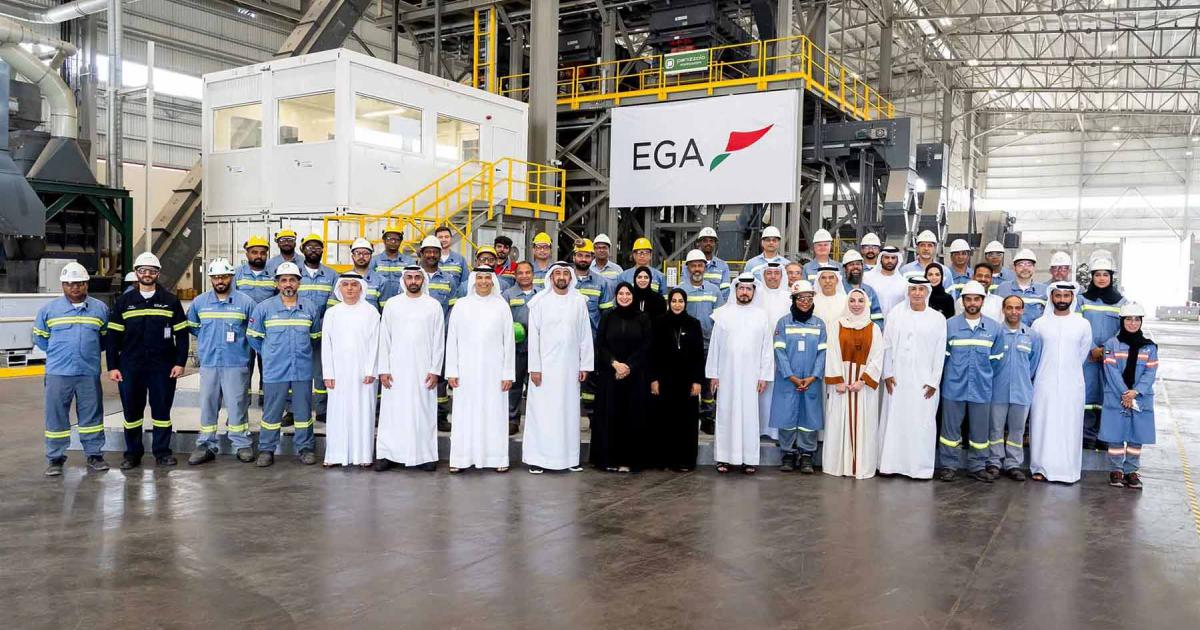
ABU DHABI Emirates Global Aluminium (EGA) has inaugurated the UAEs largest aluminium recycling plant, a landmark industrial project that underscores the countrys ambitions to become a global leader in sustainable manufacturing while strengthening its circular economy and expanding domestic value…
Source: middle-east-online.com

AI News Q&A (Free Content)
Q1: What are the key features of the newly inaugurated aluminium recycling plant by Emirates Global Aluminium in the UAE?
A1: The newly inaugurated aluminium recycling plant by Emirates Global Aluminium (EGA) in the UAE is the largest of its kind in the country with a production capacity of 185,000 tonnes per year. It processes both post-consumer and pre-consumer aluminium scrap into high-quality, low-carbon aluminium billets and T-bars. This facility is part of EGA's commitment to promoting a circular economy by using recycled materials to produce premium aluminium products marketed under the names RevivAL, CelestiAL-R, and MinimAL-R, integrating solar and nuclear power sources.
Q2: How does the new aluminium recycling facility contribute to the UAE's circular economy and sustainability goals?
A2: The aluminium recycling facility significantly contributes to the UAE's circular economy by converting local aluminium scrap into new products, thus retaining value within the country. It aligns with the country's sustainability strategies by reducing carbon emissions and enhancing resource efficiency. The plant supports EGA's low-carbon initiatives and is a cornerstone in the UAE Circular Economy Policy, which aims to shift from traditional linear models to sustainable circular systems.
Q3: What is the expected impact of EGA's aluminium recycling plant on the global recycling capacity?
A3: EGA's aluminium recycling plant in the UAE, along with its operations in Europe and the USA, increases its recycling capacity to over 400,000 tonnes per year globally. This expansion is set to influence global recycling capacity positively by enhancing the availability of low-carbon aluminium products, promoting the use of recycled materials, and strengthening the aluminium recycling market worldwide.
Q4: What are the insights from recent scholarly articles on the role of circular economy in industrial practices?
A4: Recent scholarly articles highlight the integration of circular economy principles in industrial practices as a means to enhance resource efficiency and sustainability. These studies discuss the application of circular economy concepts in product design, industrial ecology, and software development. They emphasize connecting the disposal phase back to manufacturing, thus reducing environmental deposition and promoting sustainable development through innovative policy-making and industrial strategies.
Q5: How does the concept of circular economy apply to aluminium recycling, particularly in the context of the UAE?
A5: In the context of the UAE, the concept of circular economy in aluminium recycling involves transforming aluminium scrap into new, high-quality products, thereby reducing waste and carbon footprint. This process supports the UAE's vision of becoming a global leader in sustainable manufacturing by integrating recycled materials into production cycles, thus closing the loop and minimizing resource loss.
Q6: What are the potential benefits of adopting circular economy principles in the aluminium industry?
A6: Adopting circular economy principles in the aluminium industry offers numerous benefits, including reduced environmental impact, enhanced resource efficiency, and lower production costs. By recycling aluminium, industries can decrease reliance on raw materials, lower energy consumption, and minimize waste. This approach contributes to sustainable development and aligns with global efforts to reduce carbon emissions and promote green industrial practices.
Q7: How does EGA's initiative in aluminium recycling align with the global trends in sustainable industrial development?
A7: EGA's initiative in aluminium recycling aligns with global trends in sustainable industrial development by prioritizing low-carbon production and resource efficiency. This initiative reflects a growing shift towards integrating circular economy principles in industrial operations, fostering innovation and sustainability. Global trends also emphasize the importance of reducing carbon footprints and enhancing the lifecycle management of materials, which EGA's plant exemplifies through its advanced recycling processes.
References:
- Emirates Global Aluminium
- Towards a Circular Economy via Intelligent Metamaterials
- 2018-07-16
- Organizing Network Management Logic with Circular Economy Principles
- 2019-04-24
- How circular economy and industrial ecology concepts are intertwined?
- 2020-07-02
- Alcircle News