Summary
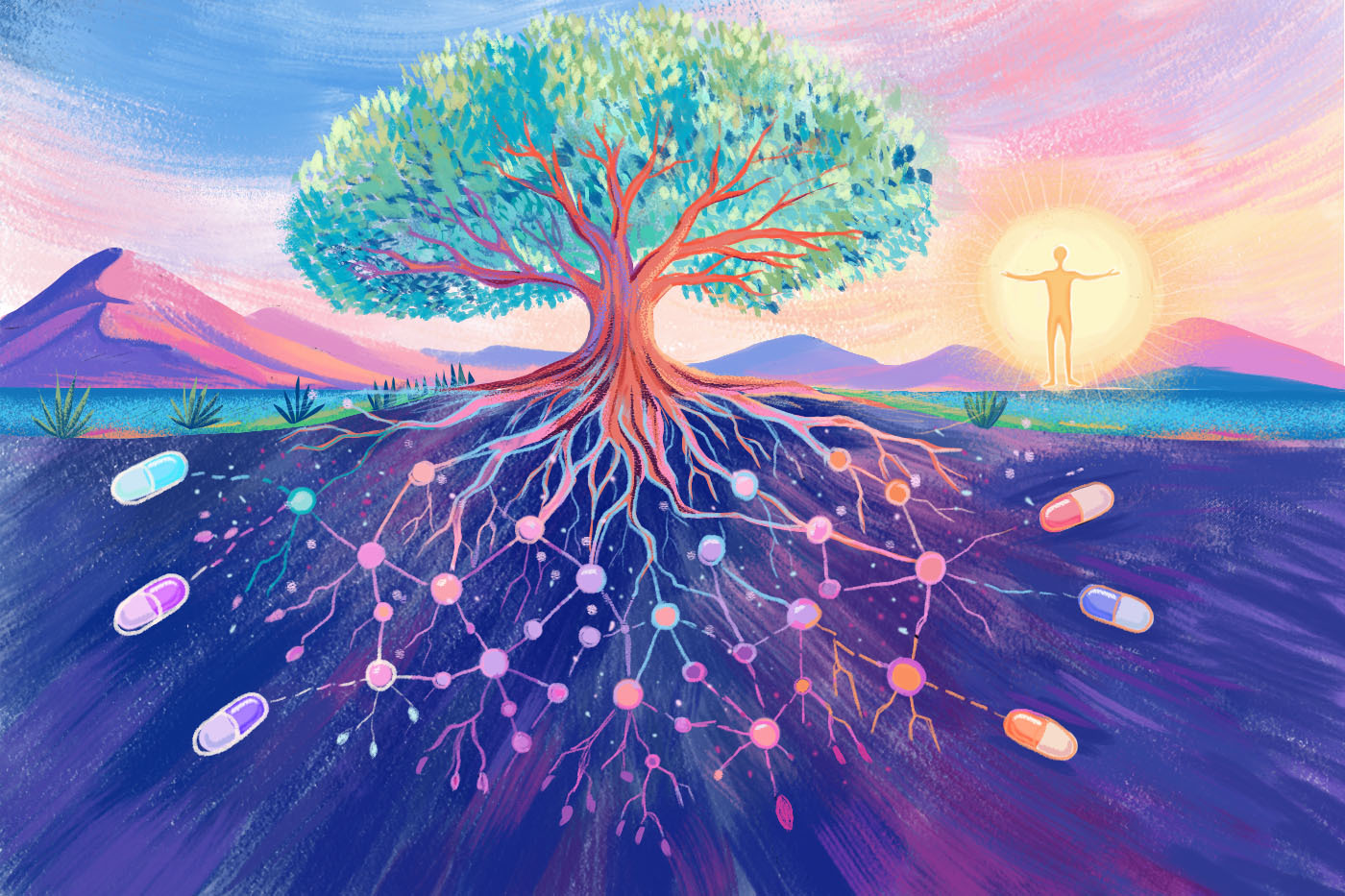
Study finds existing drugs could be repurposed for longevity by tapping network of aging-related genes A study led by Northeastern researchers found that aging-related genes sit in a network associated with the hallmarks of aging. That network can be used to find existing drugs that reverse or spe…
Source: Northeastern Global News

AI News Q&A (Free Content)
Q1: What recent discoveries have been made in the field of drug repurposing for longevity?
A1: Recent studies have identified several existing drugs that could potentially be repurposed for longevity. A network medicine framework was used to identify drugs that interact with aging-related genes, revealing candidates that could modulate aging by targeting specific molecular pathways. Notably, the research highlighted the potential of drugs to reverse transcriptional changes associated with aging, thus offering a promising pathway for extending lifespan.
Q2: How do aging-related genes play a role in discovering drugs that can extend lifespan?
A2: Aging-related genes form a network of interconnected pathways that can be analyzed to identify existing drugs that might affect these pathways. By measuring the network proximity of clinically approved drugs to these genes, researchers can predict which drugs could potentially modulate the aging process. This approach has led to the identification of multiple drugs that could reverse aging-associated changes at the transcriptional level.
Q3: What role does artificial intelligence play in the identification of longevity drugs?
A3: Artificial intelligence (AI) plays a crucial role in identifying potential longevity drugs by analyzing large datasets of drug mechanisms and genetic information. AI models have been used to assess the effects of drugs on aging processes, successfully predicting compounds that extend lifespan in model organisms like C. elegans. This AI-driven approach allows researchers to explore polypharmacological strategies, targeting multiple pathways simultaneously for more effective age-related therapeutics.
Q4: Which existing drugs have shown promise in extending lifespan according to recent studies?
A4: Studies have highlighted several existing drugs that show promise in extending lifespan. For instance, drugs like metformin and trametinib have been investigated for their effects on aging pathways. Metformin has shown varying results across different species, while trametinib, used in cancer treatment, targets proteins involved in cell growth and has been studied for its potential to extend lifespan in mice when used alongside other drugs like rapamycin.
Q5: What are the challenges faced in translating longevity drug research from animal models to humans?
A5: One of the primary challenges in translating longevity drug research from animal models to humans is the variability in drug efficacy across different species. For example, while some drugs extend lifespan in model organisms, they may not have the same effect in humans due to differences in metabolism and genetic makeup. Additionally, the complexity of human aging and the influence of environmental factors make it challenging to predict outcomes based solely on animal studies.
Q6: How have studies on anti-diabetic medications contributed to longevity research?
A6: Anti-diabetic medications have been extensively studied for their potential to extend lifespan. Research has shown that drugs like acarbose, canagliflozin, and rosiglitazone can significantly extend lifespan in male animals. However, their effects in females and their translation to human longevity remain less clear. Metformin has also been a focus, with studies showing mixed results in different species, highlighting the need for further research to understand its potential benefits for human longevity.
Q7: What are the future directions for research in drug repurposing for aging-related diseases?
A7: Future research directions in drug repurposing for aging-related diseases include expanding the use of AI to design novel drugs that target multiple pathways simultaneously. This approach aims to develop next-generation therapies that address age-related diseases by modulating multiple biological systems rather than focusing on a single mechanism. Continued efforts to integrate genomic discoveries with drug repurposing strategies could accelerate the development of effective interventions for aging.
References:
- Network-driven discovery of repurposable drugs targeting hallmarks of aging
- Integrating AI and Causal Genetics to Prioritize Therapeutic Targets for Aging and Age-Related Diseases
- Repurposing the Combination Drug of Favipiravir, Hydroxychloroquine and Oseltamivir as a Potential Inhibitor against SARS-CoV-2: A Computational Study
- Anti-diabetic medications were the most used drugs repurposed for aging