Summary
Japanese snacks are famous for their unique flavors and textures. From savory to sweet, these snacks offer a glimpse into the countrys rich culinary heritage.
Source: Newsbytes

AI News Q&A (Free Content)
Q1: What are some popular traditional Japanese snacks and their unique characteristics?
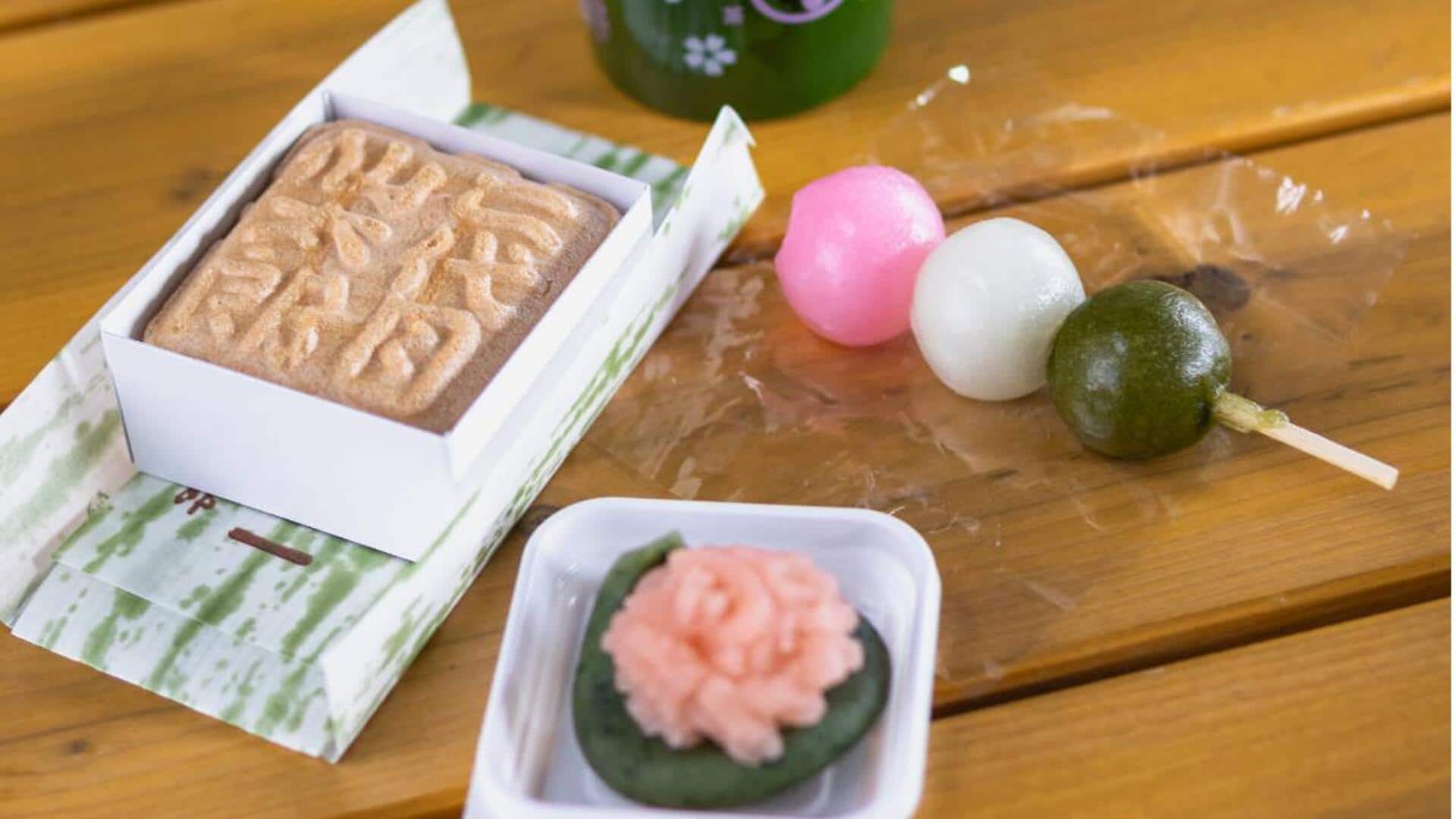
A1: Traditional Japanese snacks like Daifuku and Kotsubukko Rice Crackers are known for their unique textures and flavors. Daifuku is a confection made from mochi (rice cake) stuffed with sweet fillings, offering a chewy and gummy texture. Kotsubukko Rice Crackers are small, golden, fried snacks with a mild soy flavor and often include milk powder from Hokkaido, lending a distinct taste.
Q2: How has the introduction of modern convenience stores impacted the Japanese snack industry?
A2: The spread of convenience stores in Japan has significantly transformed the snack industry by making packaged snacks more accessible and profitable. These stores offer a wide variety of snacks, including both traditional and innovative flavors, catering to diverse consumer preferences and increasing the overall demand.
Q3: What role does blockchain technology play in the Japanese food supply chain, according to recent studies?
A3: Recent studies suggest that blockchain technology is emerging as a promising tool for creating a transparent food supply chain in Japan. It facilitates secure and traceable financial transactions among distributed parties, though challenges such as technical barriers and regulatory frameworks still hinder its widespread adoption.
Q4: How do Japanese potato chips reflect the country's culinary innovation?
A4: Japanese potato chips demonstrate culinary innovation through unique and seasonal flavors like Natsu Potato Umeboshi (sour plum), which are only available in the summer. These chips combine traditional Japanese tastes with modern snack formats, showcasing the country's ability to blend innovation with tradition.
Q5: In what ways are Japanese snacks contributing to cultural exchange and global culinary trends?
A5: Japanese snacks, with their unique flavors and presentation, have become cultural ambassadors, contributing to global culinary trends by introducing international consumers to new taste experiences. Limited-edition and seasonal flavors, along with collaborations with global brands, have further enhanced their appeal worldwide.
Q6: How does the texture of Japanese snacks like mochi influence their popularity?
A6: The unique textures of Japanese snacks like mochi, described as chewy and gummy, significantly contribute to their popularity. These textures provide a unique eating experience that is appealing to both domestic and international consumers, adding a sensory dimension to the taste.
Q7: What are the challenges faced by the Japanese snack industry in maintaining consumer interest?
A7: The Japanese snack industry faces challenges such as maintaining innovation in flavors and textures to meet evolving consumer preferences, dealing with competition from international brands, and addressing health concerns related to processed snack foods. Continuous innovation and adaptation are key to sustaining consumer interest.
References:
- Japanese Snacks Galore - Bigger, Sweeter and Weirder
- The Rise of Blockchain Technology in Agriculture and Food Supply Chains
- List of Japanese snacks
- JMMMU: A Japanese Massive Multi-discipline Multimodal Understanding Benchmark for Culture-aware Evaluation
- Japanese-style peanuts
- Best Japanese Potato Chips