Summary
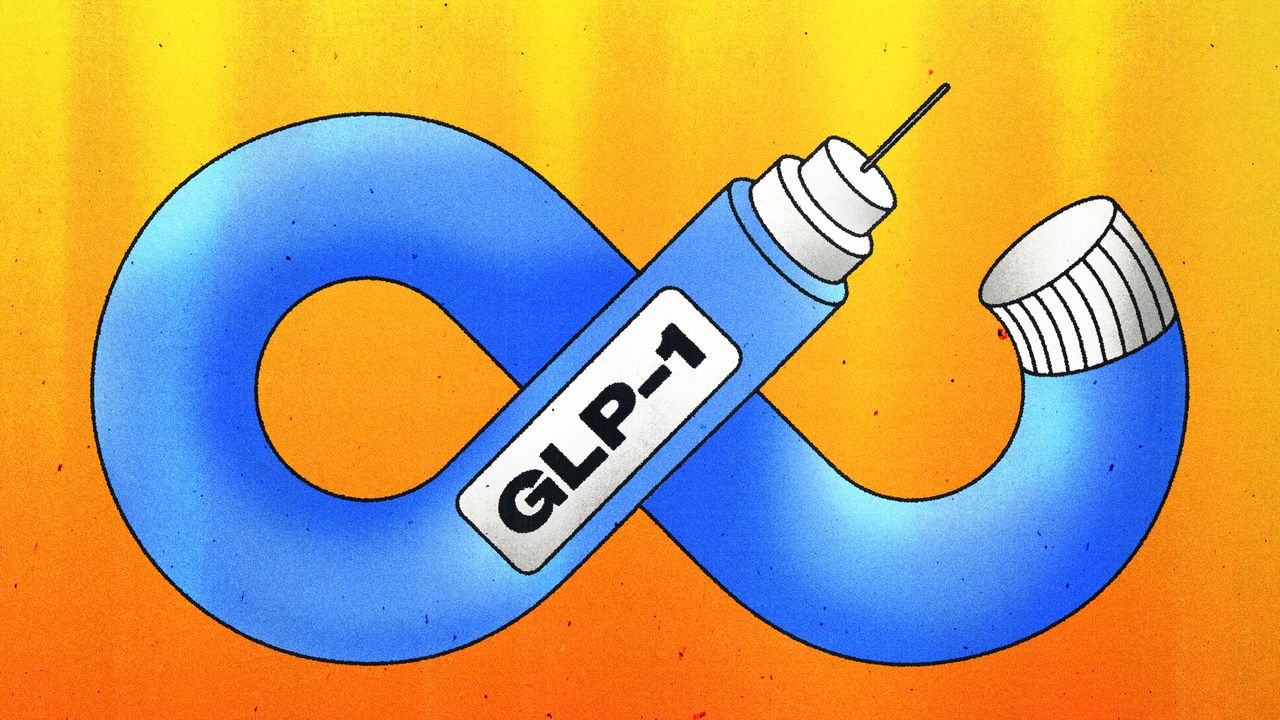
It seems like everyone is focused on improving their longevity and health span right now, doing whatever they can to prevent age-related diseases, extend the number of years they spend in good health, and lengthen their lives. Though these goals are nothing new, in recent years conversation has drif…
Source: GQ

AI News Q&A (Free Content)
Q1: What are GLP-1 receptor agonists, and how might they contribute to longevity?
A1: GLP-1 receptor agonists are medications originally developed for managing type 2 diabetes and obesity. They have shown potential in promoting longevity by improving metabolic health, reducing inflammation, and enhancing mitochondrial function. Studies have suggested that they may help extend lifespan and health span by modulating insulin sensitivity and reducing risks of age-related diseases like cardiovascular issues and neurodegenerative conditions.
Q2: What recent scholarly findings have been identified regarding GLP-1 receptor agonists and their side effects?
A2: Recent research highlighted by a study titled 'Utilizing AI and Social Media Analytics to Discover Adverse Side Effects of GLP-1 Receptor Agonists' has used AI-driven social media analytics to identify 21 potential adverse side effects of GLP-1 receptor agonists, such as irritability and numbness, that were previously overlooked. This approach enhances drug safety by rapidly detecting hidden risks.
Q3: How do GLP-1 receptor agonists impact metabolic and cardiovascular health according to recent studies?
A3: GLP-1 receptor agonists have been found to improve metabolic and cardiovascular health by reducing oxidative stress and inflammation. They lower the risk of major cardiovascular problems and potentially lower cancer risks, thus contributing to better overall health and possibly longevity.
Q4: What is the market outlook for GLP-1 receptor agonists, and what implications does this have for their use in longevity?
A4: The market for GLP-1 receptor agonists is expected to grow significantly, reaching $133.5 billion USD by 2030. This growth underscores their expanding use beyond diabetes management into areas like weight loss and potentially longevity, as they impact various biological pathways associated with aging.
Q5: What are the challenges in using GLP-1 receptor agonists as longevity drugs?
A5: While GLP-1 receptor agonists show promise in promoting longevity, challenges remain in determining optimal dosages and establishing long-term safety. Comprehensive clinical trials are needed to explore their effects on otherwise healthy individuals and to confirm benefits beyond their current use.
Q6: How is the potential of GLP-1 receptor agonists being explored in clinical trials beyond their approved uses?
A6: Clinical trials are exploring the use of GLP-1 receptor agonists in treating neurodegenerative diseases like Alzheimer's and Parkinson's, as well as substance misuse disorders. These trials aim to understand if the drugs' anti-inflammatory and neuroprotective properties can be utilized beyond managing metabolic conditions.
Q7: What lifestyle interventions are recommended alongside GLP-1 receptor agonist treatments to support longevity?
A7: To maximize the benefits of GLP-1 receptor agonists, lifestyle interventions such as regular physical activity, balanced nutrition, and stress management are recommended. Personalized programs incorporating these medications with health monitoring and coaching can enhance long-term metabolic and longevity health outcomes.
References:
- Metformin: https://en.wikipedia.org/wiki/Metformin
- Metabolic dysfunction–associated steatotic liver disease: https://en.wikipedia.org/wiki/Metabolic_dysfunction–associated_steatotic_liver_disease
- Utilizing AI and Social Media Analytics to Discover Adverse Side Effects of GLP-1 Receptor Agonists: https://arxiv.org/abs/2404.00101
- Multivariate Survival Mixed Models for Genetic Analysis of Longevity Traits: https://arxiv.org/abs/1405.00104
- The future of GLP-1 medication and longevity tracking: https://www.noom.com/blog/longevity/how-glp1-may-support-longevity/
- The GLP-1 Effect: https://health.usnews.com/wellness/articles/the-glp-1-effect
- How GLP-1 May Support Longevity: https://www.sciencenews.org/article/glp1-medications-microdose-longevity