Summary
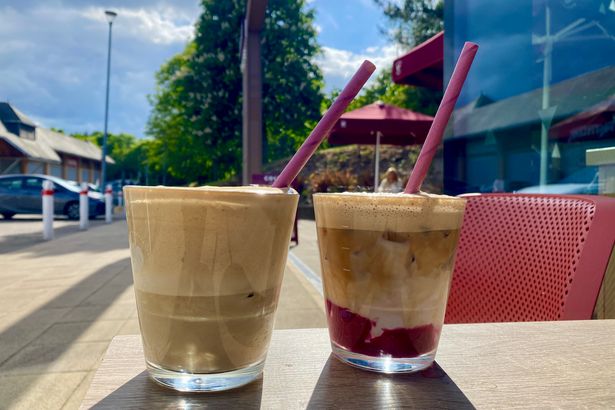
The tea even hit the menu for the first time at east London coffee roasters Grind this summer, in the form of a black sesame hojicha. Head of coffee Howey Gill says it added the drink after keeping an eye on Japanese food and drink trends spreading to the UK – though he acknowledges the brown colour…
Source: BBC

AI News Q&A (Free Content)
Q1: What distinguishes Hojicha from other traditional Japanese green teas?
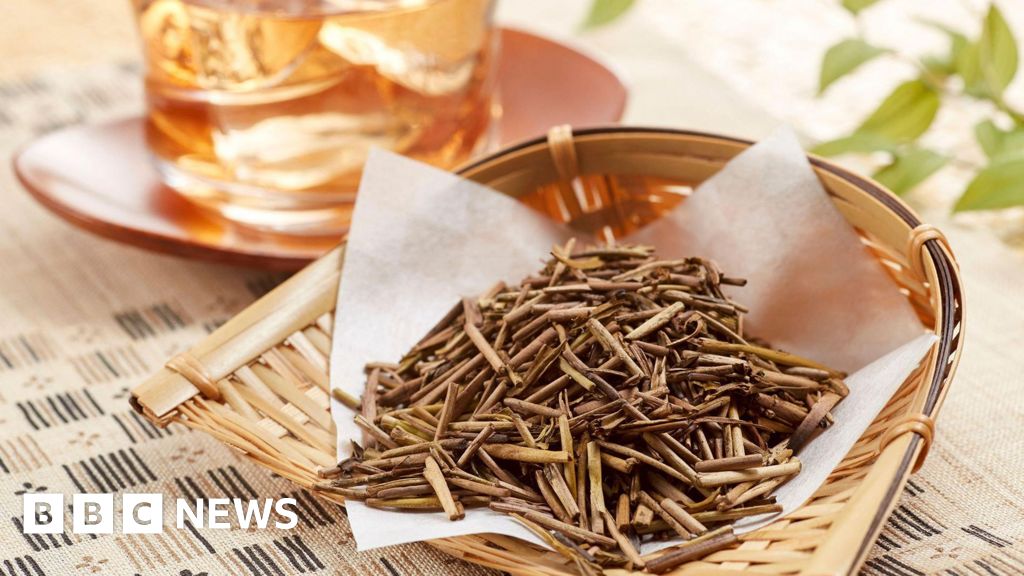
A1: Hojicha is unique among Japanese green teas because it is roasted over charcoal in a porcelain pot at 150°C, which prevents oxidation and imparts a distinctive smoky flavor with nutty undertones. Unlike other green teas that are typically steamed, this roasting process gives Hojicha a light golden color and a less grassy taste compared to matcha.
Q2: How has the popularity of Hojicha evolved in the UK cafe scene recently?
A2: Hojicha has been gaining popularity in the UK's cafe scene, particularly in London, as consumers seek alternatives to matcha. The roasted, nutty, and cocoa-like flavor of Hojicha has made it a preferred choice for those looking for a warm beverage without the intense caffeine of coffee or the grassy taste of matcha. London cafes have started to incorporate Hojicha into their menus, offering drinks such as Hojicha lattes and desserts like Hojicha pear mousse.
Q3: What recent trends in tea consumption highlight Hojicha's growing popularity?
A3: Recent trends indicate that Hojicha, along with other Asian teas, is becoming more popular in the global market. The Hojicha latte, in particular, saw a 173.9% increase in search interest, reflecting a growing curiosity and acceptance of this tea variety. This trend aligns with a broader consumer interest in exploring new flavors and healthier beverage options.
Q4: What are some health benefits associated with consuming Hojicha?
A4: Hojicha is known for its lower caffeine content compared to other teas like matcha, making it a suitable option for those sensitive to caffeine. The roasting process reduces the catechin content, which can make it gentler on the stomach and potentially less bitter. As a green tea, it still retains some antioxidant properties, though in lesser amounts than unroasted varieties.
Q5: How does Hojicha's caffeine content compare to that of matcha?
A5: Hojicha contains significantly less caffeine than matcha. It has about 0.13 grams of caffeine per 100 grams, whereas matcha contains approximately 3.2 grams per 100 grams. This lower caffeine level makes Hojicha a popular choice for those looking to reduce their caffeine intake while still enjoying a warm, flavorful beverage.
Q6: What impact has Hojicha had on the traditional tea market in Europe?
A6: Hojicha's entry into the European market has garnered interest due to its unique flavor profile and health benefits. The expansion of brands like Hojicha Co. into countries such as France, Germany, the Netherlands, and Spain highlights its growing appeal. European consumers are increasingly embracing this roasted Japanese tea as a flavorful alternative to more traditional tea offerings.
Q7: What challenges does Hojicha face in becoming as popular as matcha globally?
A7: While Hojicha is growing in popularity, it faces challenges such as lower global recognition compared to matcha and limited availability outside Asia. Consumers unfamiliar with its flavor might initially be hesitant, and the marketing efforts required to educate potential drinkers about its benefits and uniqueness are substantial. However, as awareness grows and more cafes and retailers adopt it, these challenges may diminish.
References:
- Hōjicha - Wikipedia
- Hojicha Co. Expands to the European Union
- Sipping on Tea Trends - Trilogy Flavors
- The Rise of Hojicha in the UK - DesignMyNight
- Hojicha: The Roasted Japanese Tea Taking London's Cafe Scene by Storm - SW Londoner