Summary
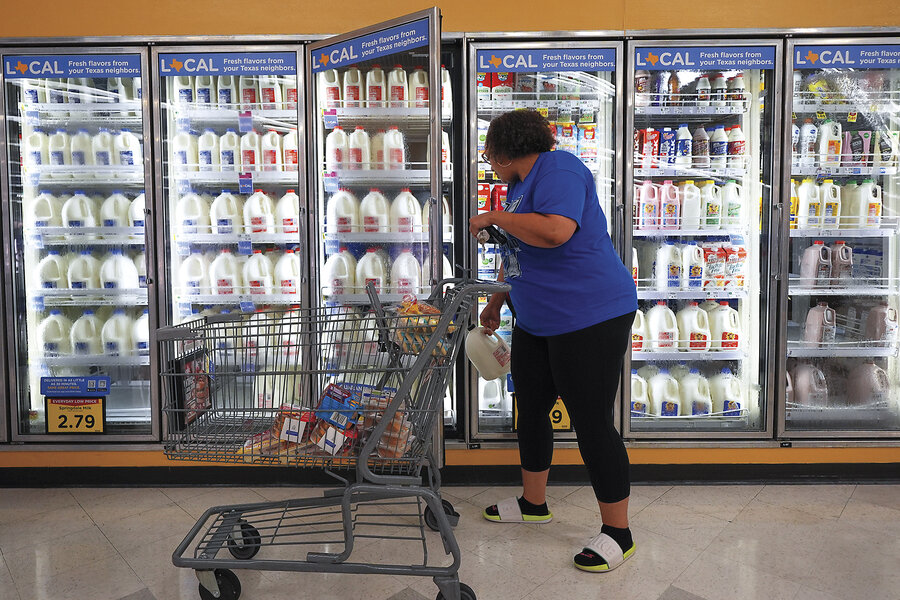
More than half of Americans say everyday life is less affordable. Gas and energy prices are up. But most say rising grocery costs are the main culprit.
Source: csmonitor.com

AI News Q&A (Free Content)
Q1: What are the main factors contributing to the rising food costs in America in recent years?
A1: The rising food costs in America are attributed to a combination of factors, including supply chain disruptions caused by the COVID-19 pandemic, the global energy crisis, and the Russian invasion of Ukraine. Additionally, climate change has played a role, with droughts and extreme weather impacting crop yields. These disruptions have led to increased prices for essential items like wheat, maize, and oil seeds, further exacerbating food inflation.
Q2: How has the rise in food prices affected consumer behavior in the United States?
A2: The rise in food prices has significantly impacted consumer behavior, with many Americans adjusting their shopping habits to cope with higher costs. Consumers are increasingly opting for cheaper alternatives, reducing purchases of expensive proteins and produce, and focusing more on cereals and bakery products. Additionally, there has been a trend towards buying in bulk and preserving leftovers to stretch their budgets further.
Q3: Are there any technological innovations in agriculture that could mitigate the impact of rising food costs?
A3: Blockchain technology is one promising innovation that could help mitigate rising food costs by enhancing transparency and efficiency in the food supply chain. Although there are challenges such as technical aspects, education, and regulation that need to be overcome, blockchain initiatives in agriculture aim to provide a more streamlined and accountable process from farm to table, potentially reducing costs and waste.
Q4: What economic theories explain the persistent rise in food prices despite efforts to stabilize them?
A4: Economic theories suggest that food price inflation is driven by factors beyond immediate control, such as supply chain disruptions and geopolitical events like the Russian invasion of Ukraine. Theories also highlight the role of underlying structural issues like climate change and resource scarcity. Despite efforts to stabilize prices, these deeper issues continue to exert upward pressure on food costs, making them difficult to control in the short term.
Q5: What impact does the rising cost of food have on household budgets and personal finance management?
A5: The rising cost of food significantly strains household budgets, leading many families to re-evaluate their spending and financial priorities. The increased expenditure on groceries means less disposable income for other essentials like housing, healthcare, and transportation. Consequently, families are focusing more on personal finance management strategies, such as budgeting, to better manage their resources in light of these higher costs.
Q6: How have recent changes in agricultural economics affected global food security?
A6: Recent changes in agricultural economics, marked by rapid increases in food supplies and diet-related diseases, have created a complex scenario for global food security. Although there has been a decrease in global hunger, poor diet quality remains a leading cause of death. Economic development has not always translated to better diet quality due to factors like food insecurity and poverty, highlighting the need for more targeted agricultural policies and practices.
Q7: What are the projected trends in grocery prices for the upcoming years, and how might they affect consumer confidence?
A7: Projected trends suggest that while grocery prices may stabilize, factors like climate change and geopolitical tensions could still cause fluctuations. As supply chain pressures ease, some prices, such as those for eggs, have already begun to fall. However, ongoing weather events and livestock issues could lead to further price hikes in specific categories, potentially affecting consumer confidence and spending habits.
References:
- 2022–2023 global food crises: https://en.wikipedia.org/wiki/2022%E2%80%932023_global_food_crises
- The Rise of Blockchain Technology in Agriculture and Food Supply Chains
- The economics of malnutrition: Dietary transition and food system transformation