Summary
Explore how India can transform agricultural waste into renewable energy, promoting sustainability and circular economy practices for a cleaner future.
Source: thehindubusinessline.com

AI News Q&A (Free Content)
Q1: How can agricultural waste contribute to India's renewable energy ecosystem and what are the benefits?
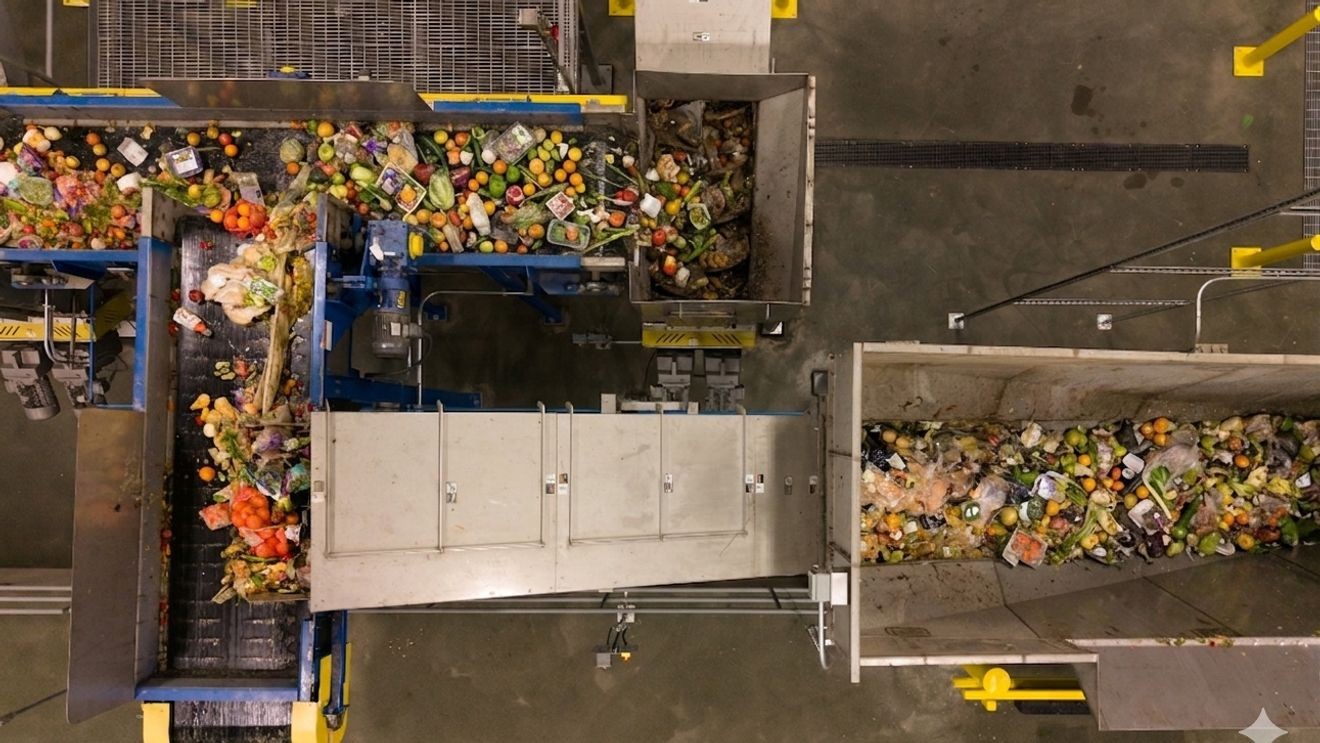
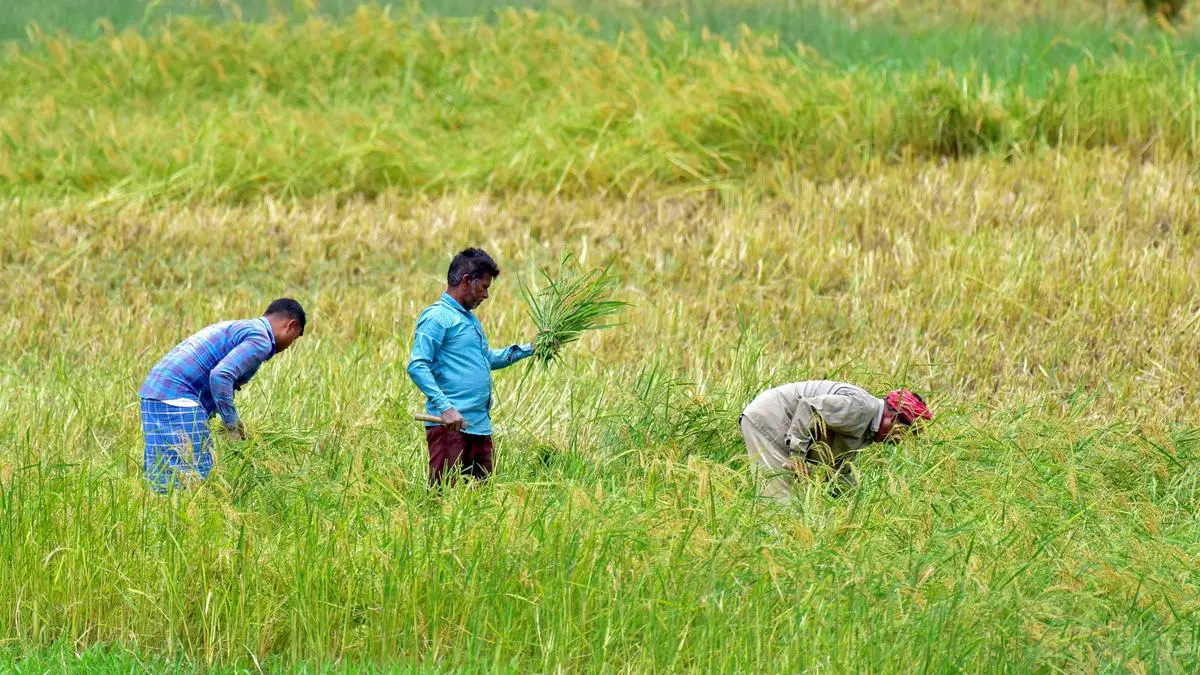
A1: Agricultural waste can significantly contribute to India's renewable energy ecosystem by being converted into energy through processes like biogas and bio-CNG production. This conversion not only helps in generating over 18,000 MW of power annually but also produces organic fertilizers that enhance soil quality. The approach reduces reliance on fossil fuels, creates rural employment, and supports sustainable waste management practices, thus reflecting a broader move toward circular economy practices.
Q2: What challenges does India face in scaling agricultural waste-to-energy projects?
A2: The primary challenges in scaling agricultural waste-to-energy projects in India include the efficient collection and processing of dispersed agricultural residues. Structural, logistical, and economic barriers hinder efficient biomass collection and utilization, necessitating significant infrastructure development and investment in logistics to overcome these obstacles.
Q3: What initiatives has the Indian government taken to promote the use of agricultural waste for energy production?
A3: The Indian government has launched several initiatives such as the GOBARdhan scheme, crop residue management programs, and the establishment of biogas plants. These initiatives aim to convert agricultural waste into energy and organic manure, supporting the circular economy. Additionally, the government has set up over 42,000 Custom Hiring Centres and deployed 3.24 lakh machines to promote sustainable residue management.
Q4: How do waste-to-energy technologies contribute to sustainable energy production?
A4: Waste-to-energy technologies, such as direct combustion and gasification, convert waste materials into usable forms of energy like electricity or heat. These processes reduce the volume of waste in landfills and provide an alternative energy source, thus playing a crucial role in both waste management and sustainable energy production.
Q5: What is the potential of circular biomass economy in India, and how does it align with sustainability goals?
A5: The circular biomass economy in India has the potential to boost rural incomes, enhance sustainability, and improve climate resilience by integrating energy generation with nutrient recycling. Technologies like decentralized biogas and bioethanol plants utilize crop residues and livestock waste, reducing dependence on chemical fertilizers and aligning energy transitions with food security concerns.
Q6: What are intelligent metasurfaces, and how can they support circular economy principles?
A6: Intelligent metasurfaces are materials that can adjust their physical properties in response to software commands. These materials support circular economy principles by mitigating resource waste caused by inefficient designs. They can be used to control electromagnetic, acoustic, and mechanical properties, enabling more efficient resource use and supporting sustainable product design.
Q7: How does the integration of circular economy principles in network management improve resource efficiency?
A7: The integration of circular economy principles in network management involves adopting a lifecycle approach to software development. By using modular software components and reusing network resources, this approach reduces resource waste, including human effort and infrastructure sustenance products like food and energy, thereby enhancing resource efficiency.
References:
- Waste detection in Pomerania: non-profit project for detecting waste in environment
- Towards a Circular Economy via Intelligent Metamaterials