Summary
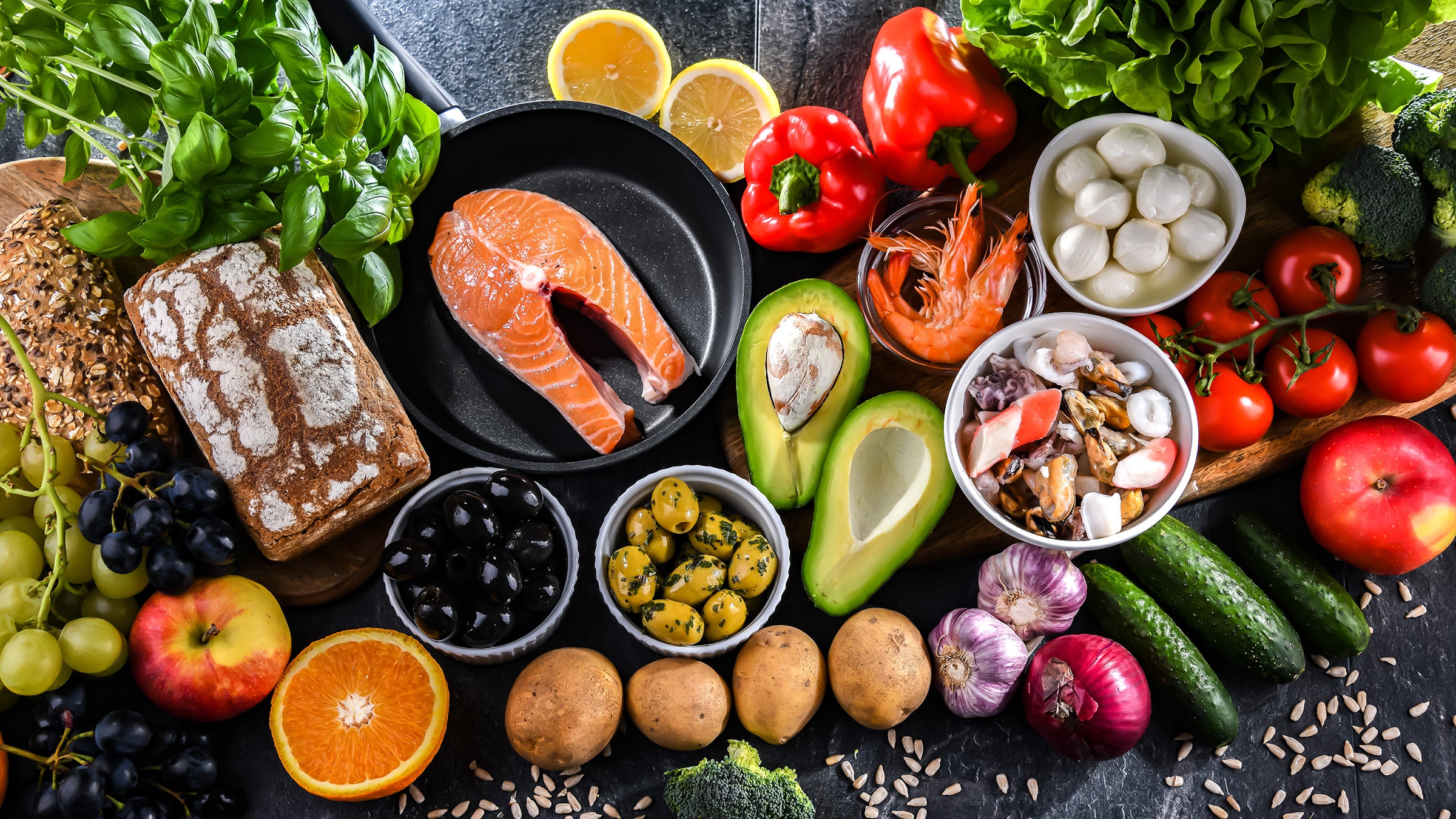
A plant- and fish-based, low-protein diet paired with small amounts of an amino acid commonly found in eggs, meat and dairy increased healthy lifespan and decreased frailty and fat mass in mice, according to a new USC study published Tuesday in the journal Cell Metabolism.
The researchers, led by V…
Source: USC Today

AI News Q&A (Free Content)
Q1: What is the impact of a low-protein diet supplemented with amino acids on the lifespan and health of mice?
A1: A study from USC published in the journal Cell Metabolism found that a plant- and fish-based, low-protein diet, supplemented with amino acids commonly found in eggs, meat, and dairy, significantly increased the healthy lifespan of mice. This diet decreased frailty and fat mass, suggesting that modifying amino acid intake can have profound effects on metabolism and longevity.
Q2: How does the modulation of specific amino acids, like methionine, affect metabolic health and aging?
A2: The USC study highlighted that adjusting methionine levels in the diet can produce dramatic metabolic changes. Methionine modulation was linked to improved cardiometabolic health markers like GLP-1. This finding underscores the potential of targeted amino acid interventions for enhancing metabolic health and longevity.
Q3: What are the potential clinical implications of amino acid-supplemented diets for human health?
A3: Research indicates that amino acid-supplemented diets could potentially be used to manage obesity and Type 2 diabetes in humans. The study's authors found parallels between the mouse models and existing data on human populations, suggesting that similar diets could confer health benefits by promoting a more plant-focused diet.
Q4: What role do branched-chain amino acids (BCAAs) play in extending lifespan and improving health according to recent studies?
A4: Branched-chain amino acids, such as leucine, isoleucine, and valine, have been shown to extend lifespan and improve health by promoting mitochondrial biogenesis in cardiac and skeletal muscles. These amino acids enhance the body's defense systems against oxidative damage, similar to the effects of calorie restriction.
Q5: How does a diet low in specific amino acids like isoleucine affect the longevity of mice?
A5: Recent research has demonstrated that a diet with reduced isoleucine significantly improves metabolic health and increases lifespan, especially in male mice. Lowering isoleucine levels by two-thirds in a protein diet was found to extend lifespan by 33% in males and 7% in females, emphasizing the impact of specific amino acid restrictions on longevity.
Q6: What are the observed effects of methionine restriction on health and longevity in mice?
A6: Methionine restriction in mice has been linked to increased lifespan and resistance to oxidative damage. Studies have shown that low methionine diets reduce levels of IGF-1, thyroxine, insulin, and glucose, which are associated with improved metabolic health and longevity.
Q7: How does the quality of amino acids in the diet impact lifespan and health in mice?
A7: Studies have indicated that mice fed with diets high in essential amino acids (EAA) lived longer and maintained healthier body weight compared to those on other diets. This suggests that the quality of amino acids, rather than just the quantity, plays a crucial role in determining lifespan and metabolic health.
References:
- Diet (nutrition) - Wikipedia
- USC study on longevity diet - USC Today
- Fasting Mimicking Diet - USC Gero
- Branched-Chain Amino Acid Supplementation Promotes Survival - ScienceDaily
- Examining the Link between Metabolism, Mortality, and Longevity - Harvard
- Dietary Restriction of Isoleucine - PMC
- TOR signaling and rapamycin - PMC