
Summary
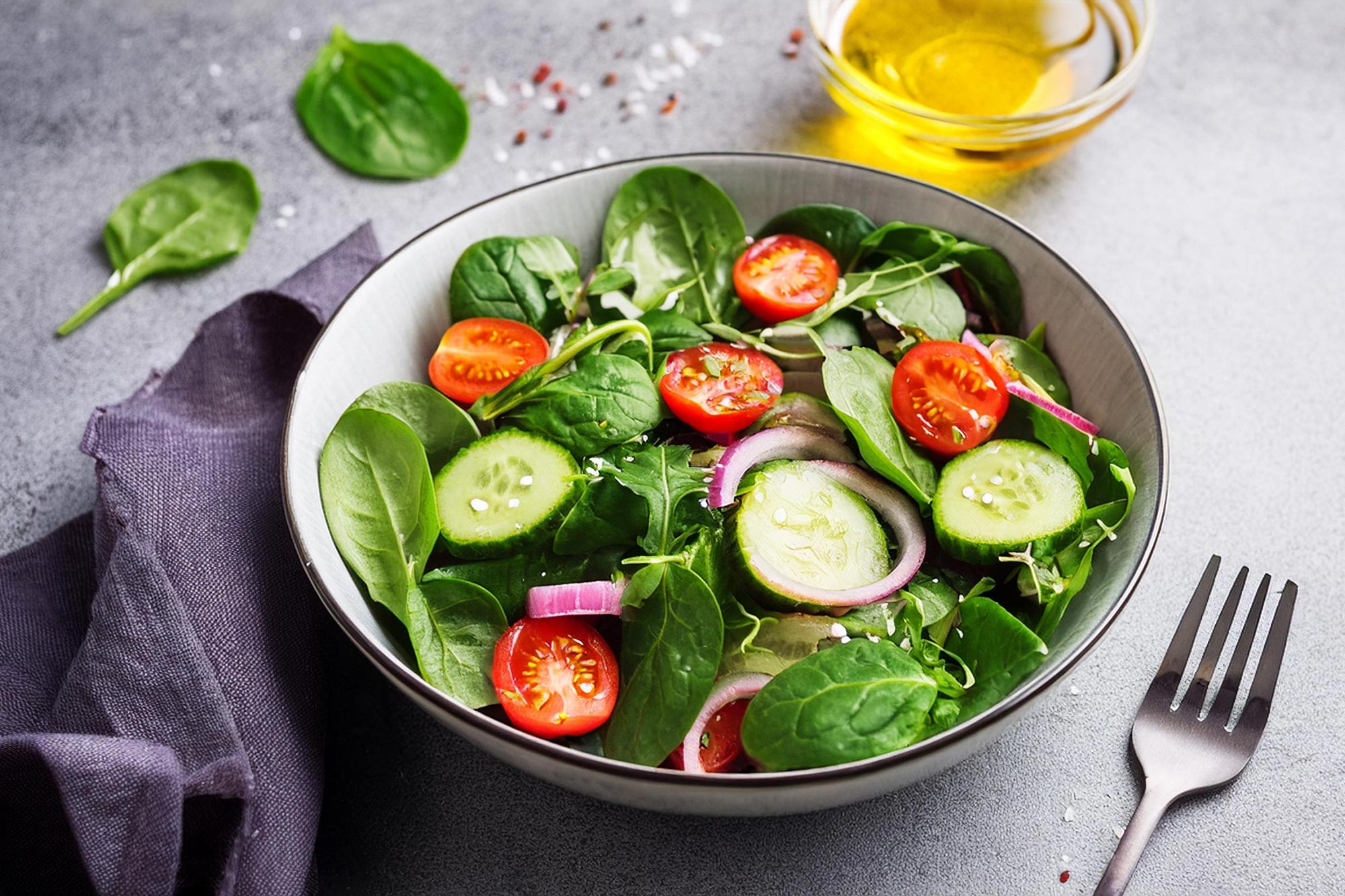
You are committed to eating a plant-based Mediterranean-style diet. You make sure good-for-you extra-virgin olive oil, fresh veggies and fruits, lean proteins, fatty fish and 100% whole grains are on your plate. But you do love that snack pack of …
Source: Arcamax

AI News Q&A (Free Content)
Q1: What are ultra-processed foods, and how do they differ from minimally processed foods?
A1: Ultra-processed foods (UPFs) are industrially manufactured products derived from natural food or synthesized organic compounds, often containing additives for flavor and preservation. Unlike minimally processed foods, which retain most of their natural state, UPFs undergo processes like molding, extrusion, and frying. They are part of the Nova food classification system, which distinguishes UPFs based on processing and ingredients rather than nutritional content.
Q2: How has the consumption of ultra-processed foods evolved globally since the 1980s?
A2: Since the 1980s, the consumption of ultra-processed foods has become widespread globally. As of 2023, the United States and the United Kingdom have the highest consumption rates, with UPFs accounting for 58% and 57% of daily caloric intake, respectively. Countries like Chile, France, and Spain have moderate consumption rates between 25% to 35%, while Colombia, Italy, and Taiwan report lower levels at 20% or less.
Q3: What health outcomes are associated with high consumption of ultra-processed foods?
A3: High consumption of ultra-processed foods is linked to negative health outcomes such as obesity and non-communicable diseases. A 2024 meta-analysis identified 32 studies correlating UPF intake with adverse health effects. However, the specific mechanisms remain unclear, and there is ongoing debate about whether the focus should be on the type or the quantity of food consumed.
Q4: What criticism has the Nova classification system faced regarding ultra-processed foods?
A4: The Nova classification system has been criticized for its lack of clarity and focus on food type rather than quantity. Critics argue that it does not adequately explain the mechanisms by which ultra-processed foods impact health. Additionally, some researchers emphasize that UPFs contribute to environmental concerns like increased food packaging and waste.
Q5: How does the Nova classification system categorize foods, and what purpose does it serve?
A5: The Nova classification system categorizes foods into four groups: unprocessed or minimally processed foods, processed culinary ingredients, processed foods, and ultra-processed foods. Proposed by researchers at the University of São Paulo in 2009, it is used globally in nutrition and public health research to understand the implications of food processing on health.
Q6: What are the potential economic and environmental impacts of ultra-processed foods?
A6: Ultra-processed foods often lead to increased food packaging, contributing to environmental challenges like plastic pollution and food waste. Economically, their convenience and shelf-stability drive high sales, influencing global food markets and consumer habits. However, their health costs, due to associated diseases, can burden healthcare systems.
Q7: How does the consumption of ultra-processed foods compare in different countries, and what factors influence these differences?
A7: Consumption levels of ultra-processed foods vary significantly across countries. The United States and the United Kingdom have the highest rates, influenced by lifestyle and market availability. In contrast, countries like Italy and Taiwan have lower consumption, possibly due to cultural food preferences and dietary traditions. Factors like urbanization, economic development, and marketing also play roles in these differences.
References:
- Page: Ultra-processed food
- Page: Nova classification
- Page: Food processing