Summary
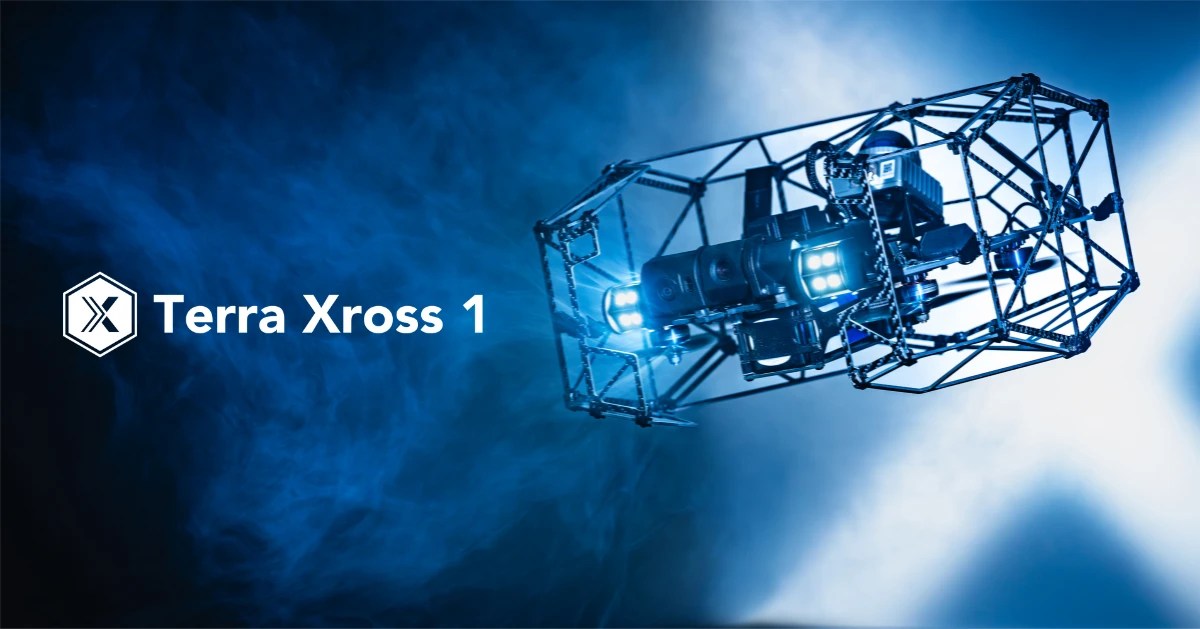
Terra Drone Corporation has successfully delivered its Japan-made Terra Xross 1 indoor inspection drone to Tokyo Power Technology Co., Ltd. Equipped with LiDA…
Source: suasnews.com

AI News Q&A (Free Content)
Q1: What are the main features of the Terra Xross 1 indoor inspection drone delivered to Tokyo Power Technology?
A1: The Terra Xross 1 indoor inspection drone is designed for efficient and safe indoor inspections. It is equipped with LiDAR technology, which allows it to create detailed 3D maps of its surroundings, ensuring accurate navigation and data collection in confined spaces. This drone is domestically developed in Japan, emphasizing local innovation in drone technology.
Q2: How does LiDAR technology enhance the capabilities of drones like the Terra Xross 1?
A2: LiDAR (Light Detection and Ranging) technology enhances drones by providing them with the ability to map environments in three dimensions. This technology uses laser pulses to measure distances, creating detailed and precise representations of the surroundings. In drones like the Terra Xross 1, LiDAR facilitates accurate navigation and obstacle avoidance, making it particularly useful for indoor and complex environments.
Q3: What role does Tokyo Power Technology play in the utilization of drones for inspections?
A3: Tokyo Power Technology, part of the TEPCO Group, integrates drones like the Terra Xross 1 into their operations for efficient inspection of power facilities. The use of drones helps in reducing human exposure to potentially hazardous environments and allows for frequent and detailed inspections, improving maintenance and operational efficiency.
Q4: What are the potential benefits of using drones for indoor inspections in industrial settings?
A4: Drones used for indoor inspections offer several benefits, including enhanced safety by reducing the need for human presence in hazardous areas, increased efficiency by covering large areas quickly, and improved accuracy with advanced sensors like LiDAR. These advantages lead to cost savings and better maintenance schedules in industrial settings.
Q5: What recent advancements in indoor positioning technologies are relevant to drone navigation?
A5: Recent advancements in indoor positioning technologies include the development of active radar sensing combined with passive reflectors. This approach provides precise positioning by identifying unique reflection characteristics in the environment. Such technologies are crucial for enhancing the navigation capabilities of drones in GPS-denied environments like indoor spaces.
Q6: How do drones contribute to the safety and efficiency of power plant operations?
A6: Drones contribute to the safety and efficiency of power plant operations by performing regular inspections without exposing workers to dangerous conditions. They can quickly detect issues such as structural damage or equipment malfunctions, allowing for timely repairs and reducing the risk of accidents. This automation also frees up human resources for more critical tasks.
Q7: What are the challenges associated with deploying drones for indoor inspections?
A7: Challenges in deploying drones for indoor inspections include navigating confined and GPS-denied environments, potential interference from obstacles, and the need for advanced sensors to ensure accurate data collection. Additionally, ensuring the drones' compatibility with existing industrial systems and maintaining secure communication channels are crucial for successful deployment.
References:
- Tokyo Electric Power Company
- Indoor Positioning based on Active Radar Sensing and Passive Reflectors: Concepts & Initial Results
- Visual-Inertial Teach and Repeat for Aerial Inspection
- PrecisionHawk