Summary
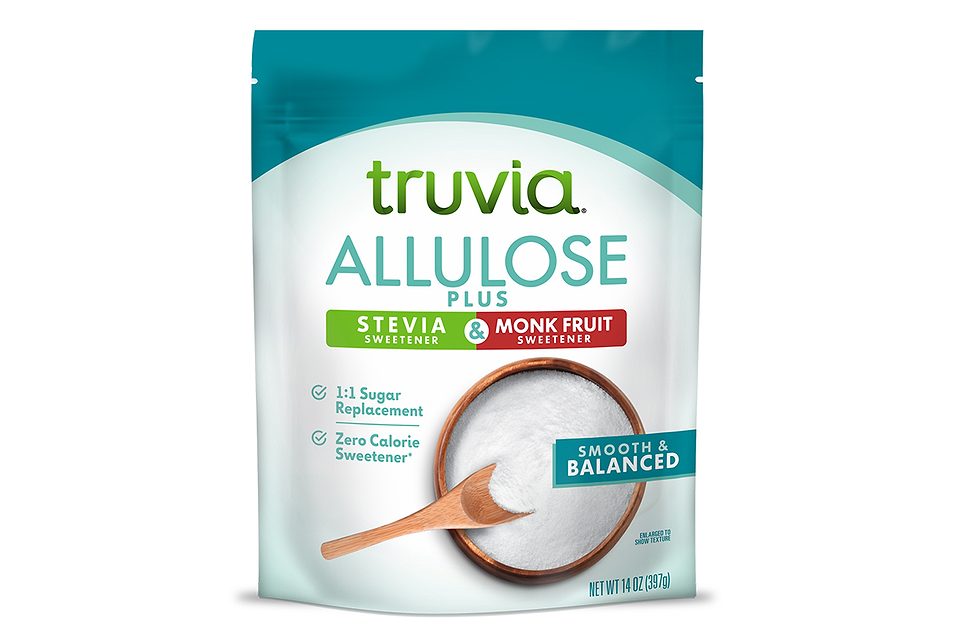
MINNEAPOLIS Truvia is innovating in the sweetener sector with allulose plus stevia sweetener and monk fruit sweetener.
The tri-blend sweetener contains no calories.
As consumers continue looking for ways to reduce sugar without compromising taste or convenience, we saw an opportunity to create …
Source: Food Business News

AI News Q&A (Free Content)
Q1: What are the key components of Truvia's new tri-blend sweetener, and how do they contribute to its functionality?
A1: Truvia's new tri-blend sweetener consists of allulose, stevia, and monk fruit extract. Allulose provides a sugar-like taste and aids in browning and caramelization, while stevia and monk fruit enhance sweetness without adding calories. This blend offers a balanced sweetening experience, suitable for both hot and cold applications, and measures 1:1 like sugar for ease of use in various recipes.
Q2: How is the market for natural sweeteners like monk fruit and stevia expected to evolve in the coming years?
A2: The market for natural sweeteners such as monk fruit and stevia is projected to grow significantly over the next decade. The monk fruit market, valued at $218.3 million in 2023, is expected to reach $336.2 million by 2030. Similarly, the stevia market, valued at $513.4 million in 2023, is anticipated to grow at a CAGR of 11.9% from 2024 to 2030, indicating an increasing consumer preference for these sweeteners.
Q3: What scientific research supports the health benefits of allulose, and what are its effects on glycemic and cardiometabolic health?
A3: Scientific research indicates that allulose significantly reduces postprandial glucose and insulin levels, with moderate certainty, without affecting glycated hemoglobin, fasting glucose, or body composition. A systematic review and meta-analysis of controlled human intervention trials showed allulose's potential as a beneficial alternative to added sugars for glycemic control.
Q4: What challenges do consumers face when selecting products labeled with stevia or monk fruit, and how do these sweeteners compare to allulose?
A4: Consumers often find products labeled with stevia or monk fruit contain additional sweeteners or sugar alcohols to adjust their taste. Allulose, however, is favored for tasting like sugar and having a zero glycemic index, making it a popular choice despite being more expensive and harder to obtain in large quantities.
Q5: What are the legal and regulatory statuses of stevia as a food additive in different regions?
A5: Stevia's legal status varies globally. In the United States, extracts of high-purity steviol glycosides are recognized as safe and can be marketed in foods, although whole stevia leaves and crude extracts are not approved. The European Union approved stevia additives in 2011, reflecting its growing acceptance as a sugar alternative.
Q6: What role does Truvia play in the sugar substitute market, and how has it positioned itself among competitors?
A6: Since its launch in 2008, Truvia has become the second best-selling sugar substitute in the U.S., trailing only behind Splenda and surpassing Equal and Sweet'n Low. It competes with other stevia-based brands like Stevia In The Raw and continues to innovate with new products like its tri-blend sweetener, targeting health-conscious consumers seeking calorie-free options.
Q7: How does Truvia's new sweetener align with consumer trends towards sugar reduction and health-conscious eating?
A7: Truvia's new tri-blend sweetener aligns with the increasing consumer trend of reducing sugar intake without compromising on taste. By offering a zero-calorie sweetening option with a natural taste profile, Truvia caters to health-conscious consumers looking for convenient, sugar-free alternatives in their diets.
References:
- Glycemic and cardiometabolic effects of rare sugars allulose and tagatose: a systematic review and meta-analysis of controlled human intervention trials.
- Page: Truvia - Wikipedia