Summary
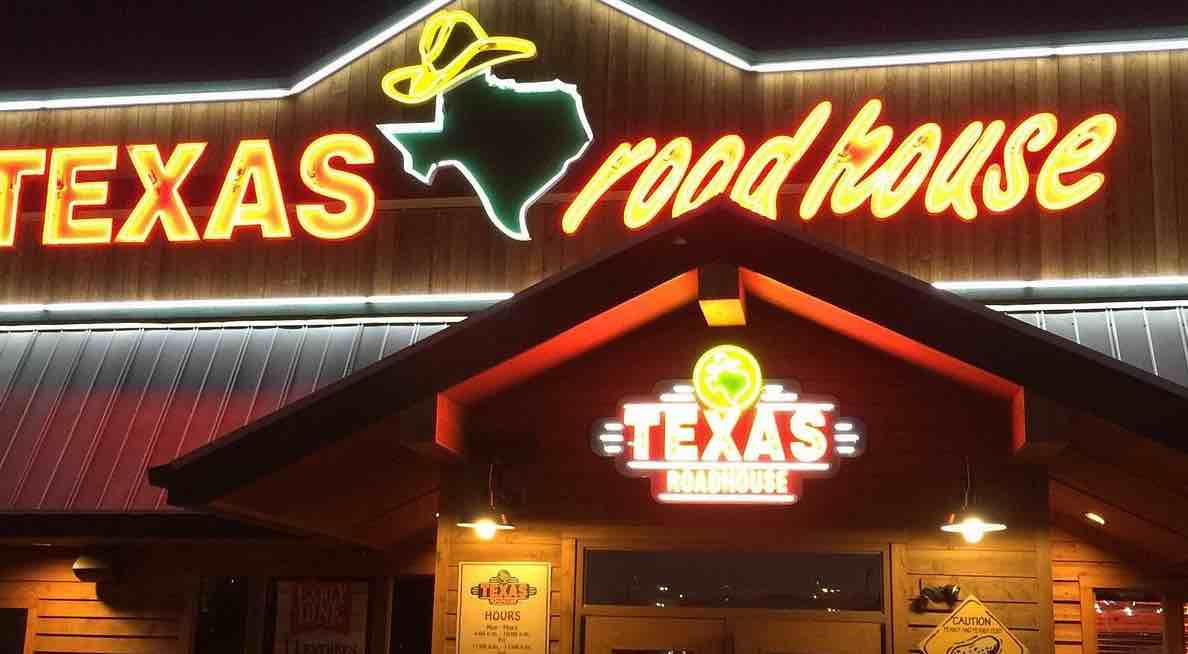
California is set to enforce a sweeping new food safety regulation that will force major restaurant chains including Texas Roadhouse, Outback Steakhouse, Olive Garden, and others to disclose major food allergens directly on menus starting July 1, 2026.
The law, known as the Allergen Disclosure …
Source: finchannel

AI News Q&A (Free Content)
Q1: What is the California Allergen Disclosure Law, and which restaurants are affected by it?
A1: The California Allergen Disclosure Law, effective July 1, 2026, mandates that restaurant chains with 20 or more locations disclose major food allergens on their menus. This law applies to large chains like Texas Roadhouse, Outback Steakhouse, and Olive Garden, requiring them to identify allergens such as milk, eggs, peanuts, tree nuts, fish, shellfish, wheat, soy, and sesame in their menu items.
Q2: How will the California Allergen Disclosure Law impact the presentation of menus in affected restaurants?
A2: Under the new law, restaurants must either include allergen information directly on their physical menus next to each item or provide a digital option, such as a QR code linking to an online allergen menu. This requirement ensures that allergen information is accessible to all consumers, both in physical and digital formats.
Q3: What potential impacts does the Allergen Disclosure Law have on consumer behavior and restaurant operations?
A3: The Allergen Disclosure Law could significantly enhance consumer trust and safety by providing transparency about food allergens, potentially saving lives. Restaurants may need to update menu materials, train staff, and implement new systems for accurate allergen tracking and disclosure, impacting operational procedures.
Q4: What ongoing research exists around food allergens and restaurant menu policies?
A4: Recent studies indicate a strong focus on nutrition-related research, particularly on the impact of menu labeling policies on consumer behavior. There is a call for more longitudinal studies to better understand how policy interventions, like allergen disclosure, affect consumer food choices and restaurant offerings over time.
Q5: How does the California law compare to similar legislation in other states?
A5: California's law is the first of its kind to mandate allergen disclosure for large restaurant chains. New York has enacted similar legislation targeting prepackaged foods prepared and sold on-site, with compliance required by November 2026, reflecting a growing trend towards allergen transparency in the United States.
Q6: What challenges do restaurants face in complying with the new allergen disclosure requirements?
A6: Restaurants face challenges such as ensuring accurate allergen information for each menu item, the cost and logistics of updating menu systems, and potential legal liabilities if they fail to comply. They must also manage the integration of allergen information across various platforms, including third-party delivery services.
Q7: What role does the FDA play in the regulation of food allergens in the United States?
A7: The FDA is responsible for protecting public health by enforcing food safety laws, including the Federal Food, Drug, and Cosmetic Act. The agency regulates the disclosure of major allergens, which includes setting guidelines for accurate allergen labeling on food products, including restaurant menus.
References:
- California Enacts First-in-the-Nation Allergen Disclosure Law for Restaurant Chains
- New law requires Texas Roadhouse to reveal allergens on menus
- Many Restaurant Chains Must Comply with California's New Allergen Disclosure Law
- Intersection of Nutrition, Food Science, and Restaurant Research.
- Published: 2025-11-06
- Food and Drug Administration