Summary
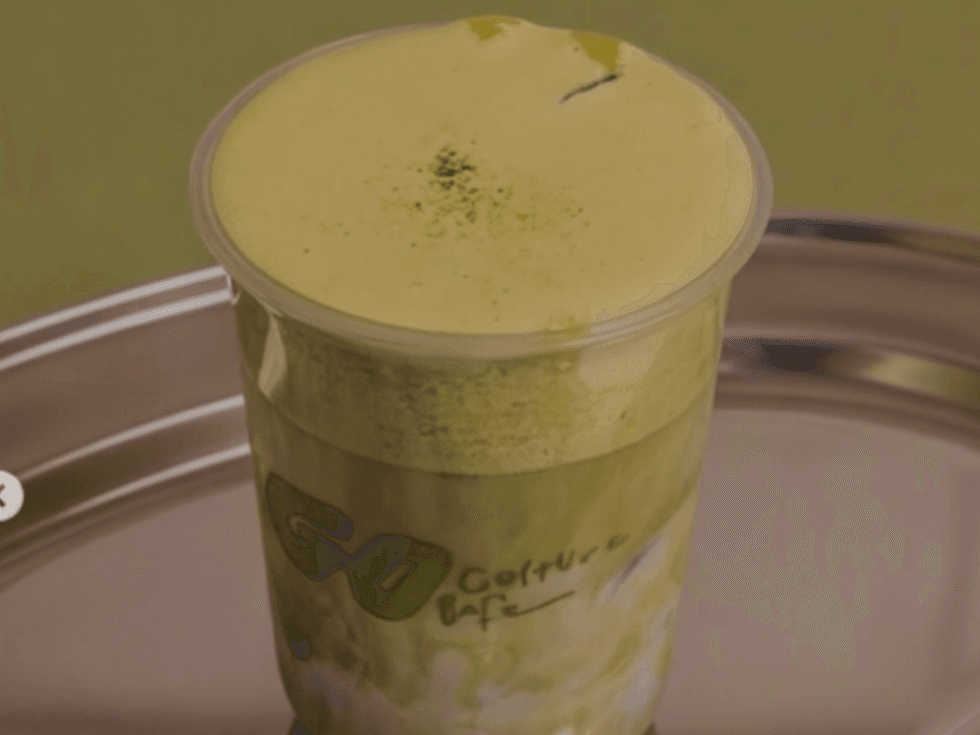
A new coffee shop and gathering space is coming to the Dallas Love Field area. Called Go Culture Cafe , it will be located at 5606 Maple Ave., Ste. 110, near Inwood Rd., and will open after the Fourth of July. The concept comes from Farhan Fallahi, an Iran-born fashion designer who has lived in Dallas for 11 years and owns the wedding and event planning company Wedding Erah. The 1,000-square-foot coffee shop is designed to be a collaboration hub, he says, outfitted with benches, chairs, small tables, and a large coffee bar. The drink menu will include traditional espresso options like lattes, macchiatos, and mochas, alongside a variety of matcha beverages. Specialty drinks will feature a saffron matcha, saffron latte, fig matcha, fig latte, and an extra-creamy matcha made with heavy cream. They will also offer a mocha latte topped with a cold matcha foam. All coffee drinks will be priced under $9. To source their beans, they have partnered with Eiland, the Richardson-based artisan roaster. Additionally, Go Culture Cafe will serve specialty, high-protein smoothies packed with nuts, dates, fruit, and other premium, health-conscious ingredients. The 16-ounce smoothies will retail for around $18. An iced mocha latte topped with cold matcha foam, one of the signature specialty drinks at Go Culture Cafe. Photo courtesy of Go Culture Cafe For food, Fallahi is partnering with several local bakeries to offer pastries such as a banana bread cookie, red velvet cookie, and matcha muffins, as well as savory items like avocado toast and cottage cheese toast. All food items will be priced below $10. The idea for the coffee shop came up unexpectedly, he says. I started doing a lot of events and flower pop-ups in front of restaurants and cafes, Fallahi says. It was cool to see how pe
Source: Culturemap Dallas

AI News Q&A (Free Content)
Q1: What makes Go Culture Cafe unique in its offering to the Dallas Love Field area?
A1: Go Culture Cafe distinguishes itself by offering a unique combination of matcha beverages and a community-centric space. Founded by Farhan Fallahi, an Iran-born fashion designer, the cafe is designed as a collaboration hub. It features a variety of matcha-based drinks, including a saffron matcha and fig matcha, alongside traditional espresso options. The cafe also partners with local bakeries for its food offerings, ensuring all items are priced below $10, fostering a welcoming and inclusive environment.
Q2: How has the concept of matcha evolved from its origins to its current global popularity?
A2: Matcha originated in Japan during cultural exchanges with China, where tea was ground into fine powder and whisked with hot water by Zen Buddhist monks. Over time, Japanese tea farmers developed shading techniques to produce tencha, leading to modern matcha with its vivid green color and rich umami flavor. In the 21st century, China began mass-producing matcha, and its global popularity surged, particularly in wellness-oriented lifestyle aesthetics, as seen in products like matcha lattes.
Q3: What are the health benefits of consuming matcha, according to recent scientific studies?
A3: Recent studies have highlighted matcha's health benefits, particularly its antioxidant activity and gut health improvement. Selenium-enriched matcha, for example, has shown higher antioxidant activity and promotes beneficial gut bacteria, enhancing gut integrity. These benefits are attributed to compounds like theanine and polyphenols. Matcha is also noted for its neuroprotective effects, making it a popular health-promoting beverage.
Q4: How does Go Culture Cafe incorporate consumer innovation in its business model?
A4: Go Culture Cafe incorporates consumer innovation by creating a space that encourages community interaction and collaboration. The cafe's unique menu, featuring specialty matcha drinks and health-conscious smoothies, reflects an innovative approach to traditional coffee shop offerings. By partnering with local artisan roasters and bakeries, the cafe supports local businesses while catering to modern consumer preferences for quality and community.
Q5: What are the differences in bioactive compounds between coffee and matcha, and how do they contribute to health?
A5: Both coffee and matcha are rich in bioactive compounds such as caffeine, polyphenols, and amino acids. Matcha's production process, involving shaded growth, enhances its theanine content, which contributes to its calming effects. In contrast, coffee's brewing process highlights its stimulating properties. The combination of these compounds in both beverages provides antioxidant and neuroprotective benefits, supporting their roles as health-promoting beverages.
Q6: What innovative practices in cultivation enhance the quality and health benefits of matcha?
A6: Innovative cultivation practices, such as selenium biofortification and specific shading techniques, significantly enhance matcha's quality and health benefits. Selenium-enriched matcha has been found to possess higher antioxidant activity and promote gut health by increasing the expression of intestinal barrier proteins. These practices optimize matcha's nutritional profile, making it a functional food with enhanced health benefits.
Q7: How does the opening of Go Culture Cafe impact the local community and economy?
A7: The opening of Go Culture Cafe is set to positively impact the local community by providing a new gathering space that fosters social interaction and collaboration. Economically, it supports local businesses through partnerships with artisan roasters and bakeries. By offering a diverse menu at accessible prices, the cafe attracts a wide customer base, contributing to the area's economic development and vibrancy.
References:
- Matcha (Wikipedia)
- Synergistic Effects of Nanoselenium and Environmental Factors on the Quality, Antioxidant Activity, and Gut Health Benefits of Matcha.
- From coffee to matcha: decoding the multidimensional competence of matcha as a sustainable and health-promoting coffee substitute.