Summary
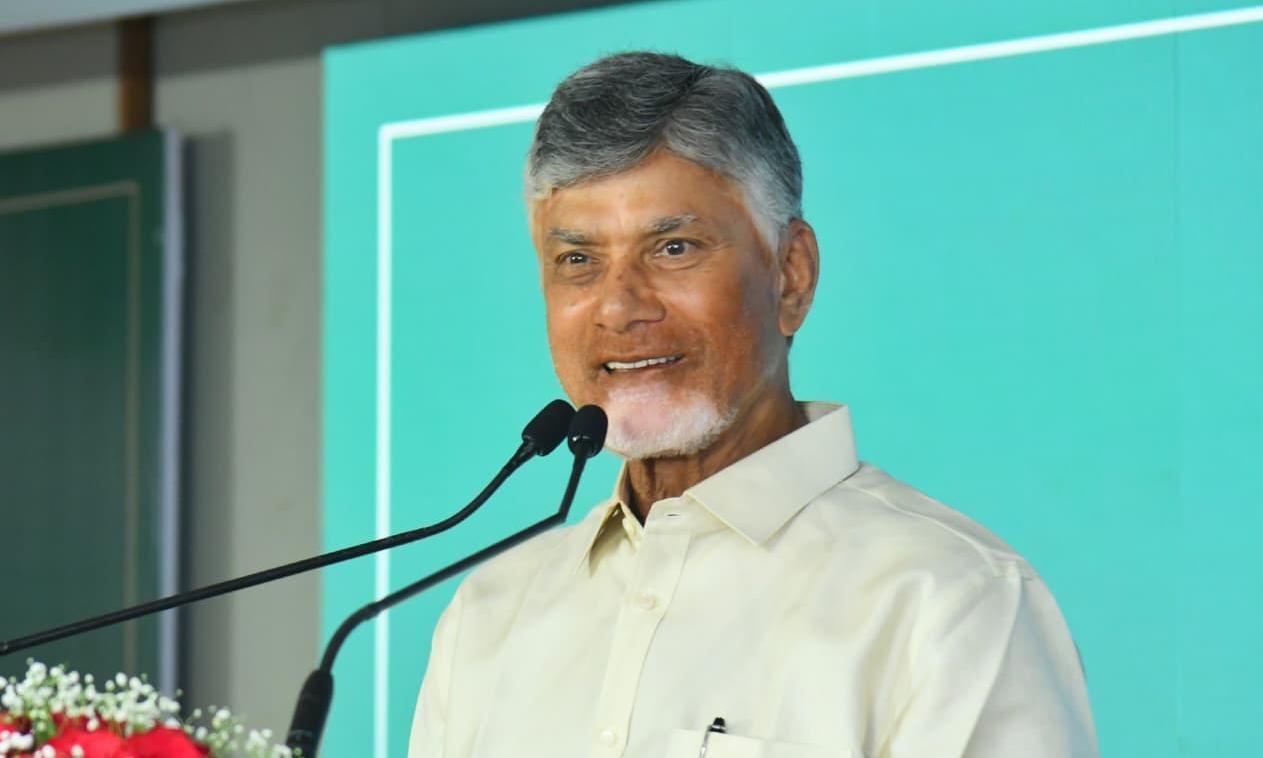
Naidu directed officials to make Nalagampalli village a model for the state as it is successfully implementing Net Zero
Source: deccanchronicle.com

AI News Q&A (Free Content)
Q1: What makes Nalagampalli village a model for Net Zero initiatives in Andhra Pradesh?
A1: Nalagampalli village in Andhra Pradesh has become a model for Net Zero initiatives due to its successful implementation of renewable energy practices. The village has adopted rooftop solar panels, induction cooktops, rainwater harvesting systems, kitchen composting units, and terrace gardens. These practices have led to energy savings and reduced greenhouse gas emissions, making it a benchmark for sustainable development in the region. The village's achievements are being used as a case study to expand similar initiatives across the Kuppam constituency.
Q2: How is the concept of Net Zero energy buildings being applied in Andhra Pradesh?
A2: In Andhra Pradesh, the concept of Net Zero energy buildings is applied by integrating renewable energy sources such as solar power into residential and community structures. The aim is to balance the energy consumed with the energy produced, thus reducing dependency on non-renewable energy sources. This approach not only contributes to environmental sustainability but also helps in achieving energy cost reductions for residents.
Q3: What role does community involvement play in the success of Net Zero initiatives in villages?
A3: Community involvement is crucial for the success of Net Zero initiatives in villages, as seen in Andhra Pradesh's Nalagampalli village. Local residents actively participate in adopting sustainable practices such as solar energy, composting, and rainwater harvesting. This collective effort not only enhances the effectiveness of the initiatives but also fosters a sense of ownership and responsibility towards environmental conservation among the villagers.
Q4: What are the economic implications of adopting Net Zero practices in rural areas?
A4: The adoption of Net Zero practices in rural areas like Nalagampalli village has significant economic implications. By utilizing renewable energy sources and sustainable practices, villages can reduce energy costs, lower utility expenses, and attract investments in clean energy infrastructure. This transition can lead to economic savings for households and create job opportunities in the renewable energy sector, thereby boosting the local economy.
Q5: What are the key components of the Net Zero model implemented in Nalagampalli village?
A5: The Net Zero model in Nalagampalli village includes several key components: rooftop solar panels for energy generation, induction cooktops to replace conventional cooking methods, rainwater harvesting to conserve water, kitchen composting for waste management, and terrace gardening to promote local food production. These elements collectively contribute to reducing the village's carbon footprint and enhancing its sustainability.
Q6: How does the integration of electric vehicles contribute to the Net Zero initiative in Andhra Pradesh?
A6: The integration of electric vehicles (EVs) in Andhra Pradesh's Net Zero initiative contributes to reducing fossil fuel dependency and lowering greenhouse gas emissions. By promoting EV adoption, the region aims to create a more sustainable transportation system that complements the existing renewable energy infrastructure. This move also supports the development of a circular economy by incorporating efficient resource utilization and waste management practices.
Q7: What challenges might arise in replicating the Net Zero model of Nalagampalli village across other regions?
A7: Replicating the Net Zero model of Nalagampalli village across other regions may present challenges such as the initial cost of setting up renewable energy systems, the need for community engagement and education, and the adaptation of practices to different geographical and climatic conditions. Additionally, ensuring consistent policy support and access to technology and resources are critical to overcoming these challenges and achieving widespread adoption.