Summary
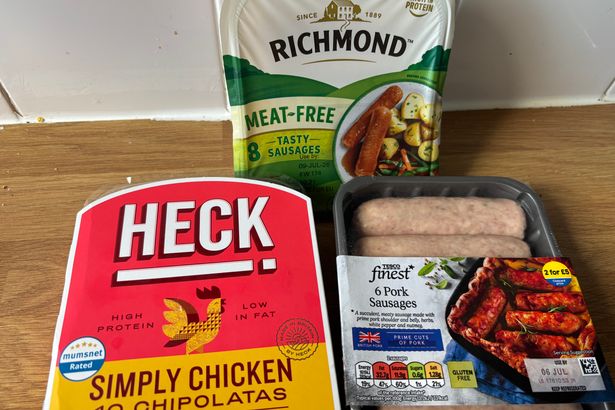
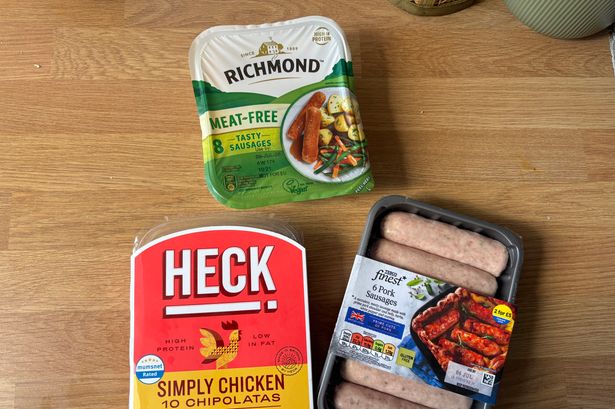
A taste test comparing Richmond Meat-Free, Tesco Finest Pork and Heck Chicken Chipolatas showed a clear winner and it was quite unexpected
Source: Wales Online

AI News Q&A (Free Content)
Q1: What are the main ingredients in Richmond Meat-Free Sausages, and how do they compare to traditional meat sausages?
A1: Richmond Meat-Free Sausages are primarily made from soya and wheat protein. They aim to replicate the taste and texture of traditional meat sausages, providing a similar culinary experience. Unlike meat sausages, which are made from ground pork or other meats, these plant-based versions offer a lower calorie count at 148 calories per 100g, compared to traditional pork sausages.
Q2: How do Heck Chicken Chipolatas differ in nutritional content from Tesco Finest Pork Sausages?
A2: Heck Chicken Chipolatas contain about 130 calories per 100g, with 20g of protein and only 2.9g of fat, making them a leaner option compared to Tesco Finest Pork Sausages, which have 21g of fat, 21g of protein, and 276 calories per serving. The chicken sausages are also gluten-free and dairy-free, catering to those with dietary restrictions.
Q3: What factors contributed to Richmond Meat-Free Sausages being declared a surprising winner in taste tests?
A3: Richmond Meat-Free Sausages were praised for their flavor and texture, closely resembling that of real meat sausages. Their ability to mimic the taste of traditional pork sausages made them a favorite despite being a plant-based option. The use of flavorings and stabilizers in their composition helped achieve this likeness.
Q4: What are the potential health benefits of choosing plant-based sausages over traditional pork sausages?
A4: Plant-based sausages, such as Richmond's, often have lower fat content and fewer calories, which can be beneficial for weight management and heart health. They also avoid the cholesterol present in animal products, making them a healthier choice for those concerned with cardiovascular health.
Q5: How do the production processes of plant-based sausages like Richmond's differ from those of traditional meat sausages?
A5: Plant-based sausages typically involve processing plant proteins, such as soy or wheat, to mimic the texture of meat. This involves using food technologies like extrusion and the addition of flavorings and binders. In contrast, traditional sausages are made by grinding meat, mixing it with spices and fillers, and encasing it in natural or synthetic casings.
Q6: What are some criticisms of plant-based sausages concerning their processing and ingredients?
A6: Critics argue that plant-based sausages can be highly processed, containing additives like sodium alginate and methylcellulose to achieve desired textures and flavors. These ingredients are often perceived as less 'natural' compared to traditional meat sausages, despite their use in food safety and preservation.
Q7: What are the economic implications for supermarkets when they stock both meat and plant-based sausage options?
A7: Supermarkets benefit economically by stocking both types of products as they cater to diverse consumer preferences, including those following vegetarian, vegan, or flexitarian diets. By offering plant-based options, retailers can attract a broader customer base and respond to the increasing demand for sustainable and health-conscious food choices.