Summary
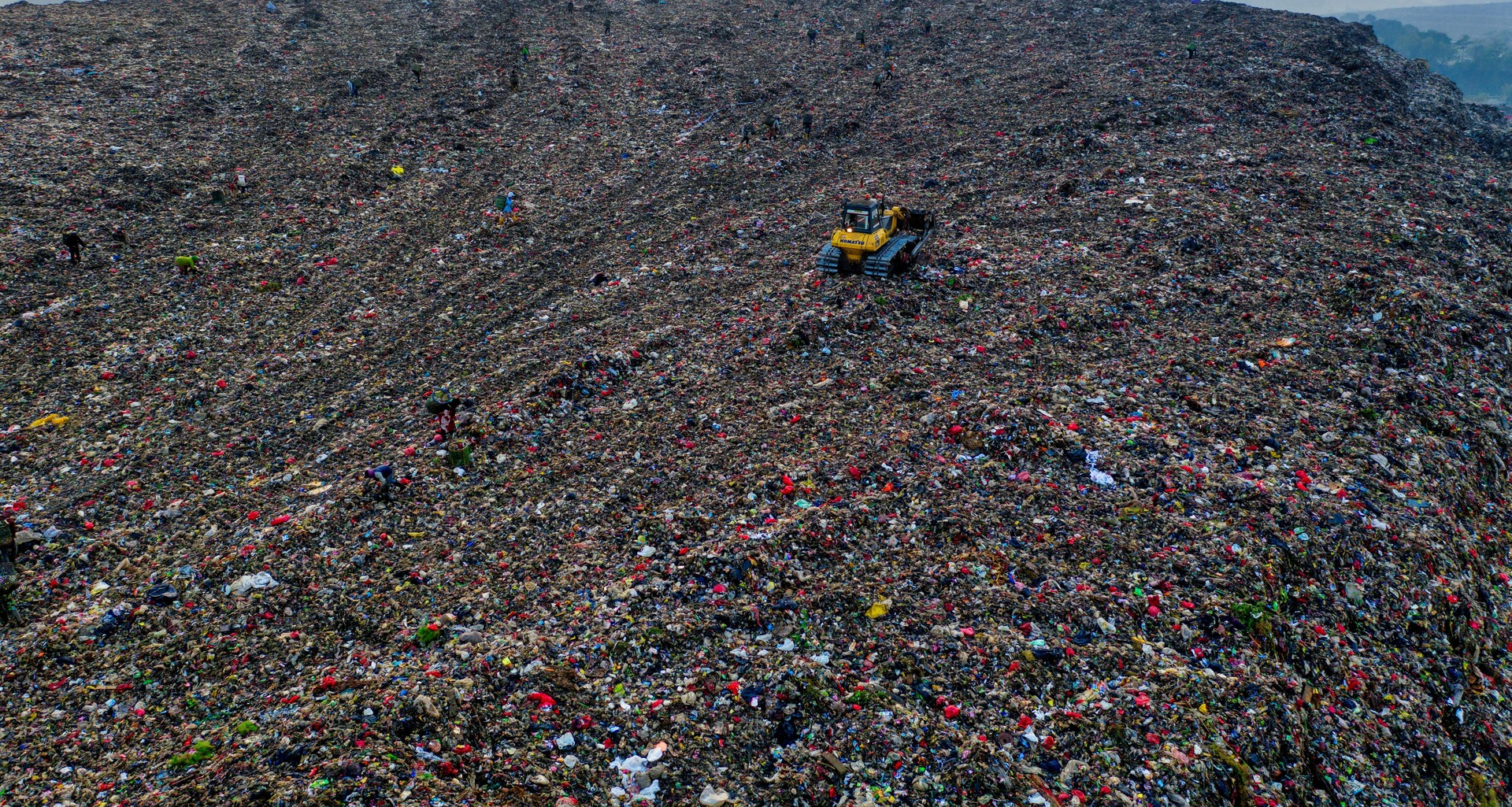
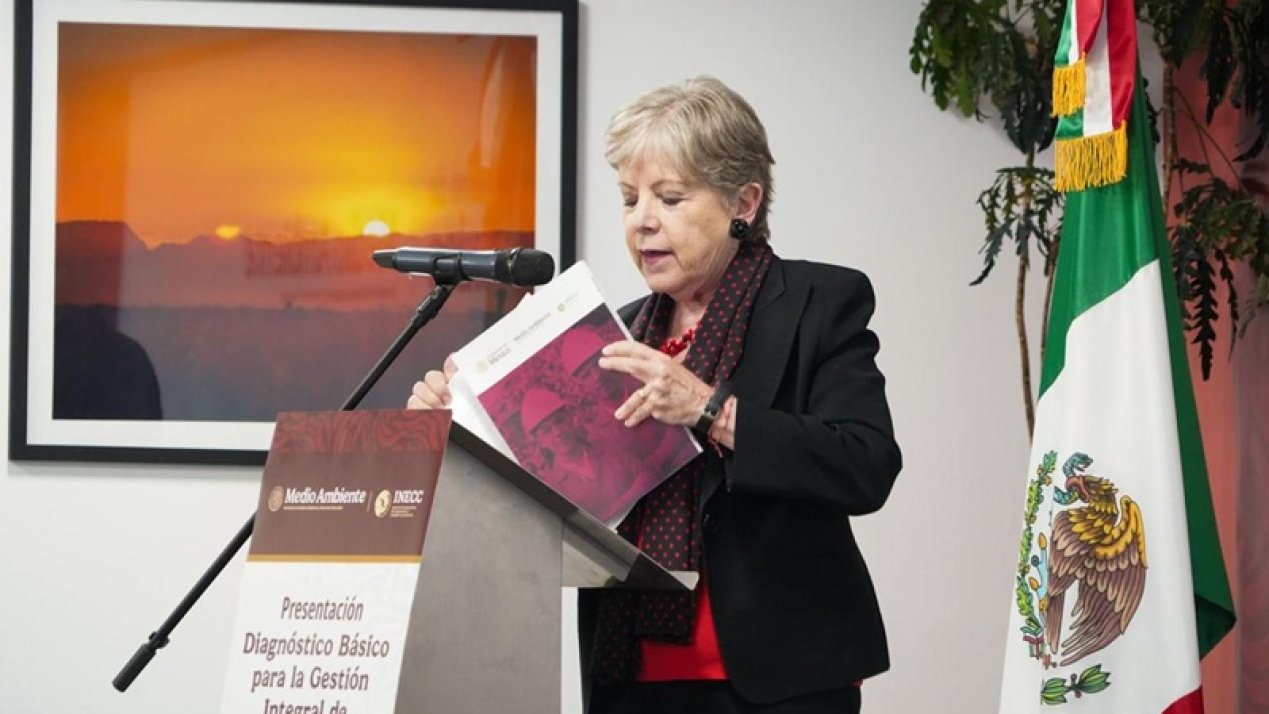
Mexico generates more than 139,000tof municipal solid waste daily, yet only 5% receives treatment, exposing major infrastructure, regulatory and traceability gaps in the countrys waste management system, according to SEMARNATs DBGIR 2026. The diagnosis positions circular economy policies, recyclin…
Source: Mexico Business News

AI News Q&A (Free Content)
Q1: What are the main challenges Mexico faces in implementing a circular economy for waste management?
A1: Mexico's circular economy efforts are hindered by significant infrastructure, regulatory, and traceability gaps in its waste management system. Despite generating over 139,000 tons of municipal solid waste daily, only 5% receives proper treatment. The lack of efficient waste treatment facilities and comprehensive policies are contributing factors to these challenges.
Q2: How does the concept of circular economy differ from traditional waste management practices?
A2: Traditional waste management follows a linear model where resources are used and disposed of without re-entering the production cycle. In contrast, the circular economy promotes a closed-loop system where waste is minimized by reusing, recycling, and remanufacturing products, thereby reducing environmental impact and resource consumption.
Q3: What role does technology play in optimizing waste management systems as per recent studies?
A3: Recent studies, such as the one conducted in Bahía Blanca, Argentina, highlight the use of mathematical models and technology to optimize waste collection routes. The implementation of transfer stations and micro-routing can significantly reduce the total distance and time required for waste collection, leading to more efficient waste management systems.
Q4: What are the potential benefits of Mexico adopting circular economy principles in its waste management practices?
A4: Adopting circular economy principles could help Mexico reduce environmental pollution and resource wastage. It could also foster economic growth by creating jobs in recycling and remanufacturing sectors, and improve public health by reducing waste-related hazards.
Q5: How can artificial intelligence contribute to improving waste management systems?
A5: Artificial intelligence can enhance waste management by enabling efficient waste detection and classification. AI systems, like those developed in Pomerania, use neural networks to identify and sort waste into categories, improving recycling processes and reducing environmental pollution.
Q6: What recent advancements have been made in recycling technology to support the circular economy?
A6: Recent advancements in recycling technology include AI-driven waste detection systems that improve sorting accuracy and efficiency. These technologies help in better categorizing waste, thus enhancing the quality of recycled materials and supporting the circular economy model.
Q7: What are the environmental and economic impacts of failing to implement a circular economy in waste management?
A7: Failing to implement a circular economy can lead to increased environmental degradation due to excessive waste and resource depletion. Economically, it results in lost opportunities for job creation in recycling industries and can increase costs associated with waste management and health care due to pollution-related issues.
References:
- Optimization of waste collection through the sequencing of micro-routes and transfer station convenience analysis: an Argentinian case study
- Organizing Network Management Logic with Circular Economy Principles
- Waste detection in Pomerania: non-profit project for detecting waste in environment