Summary
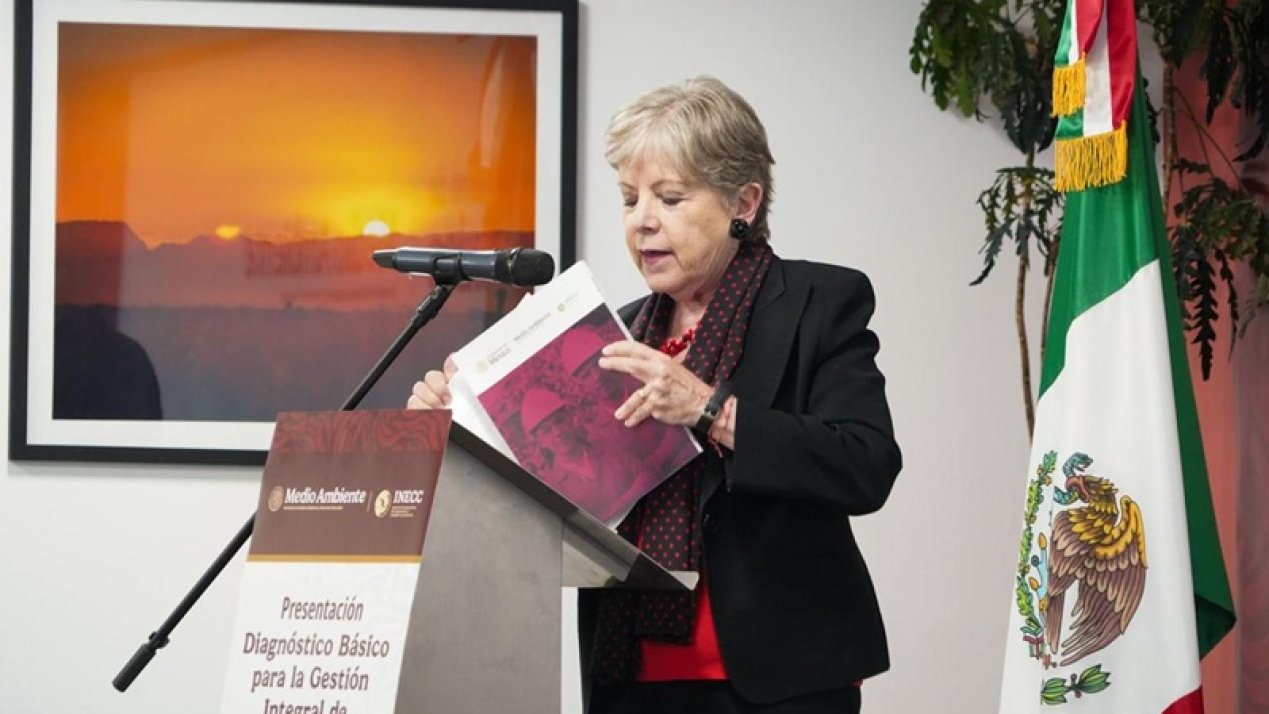
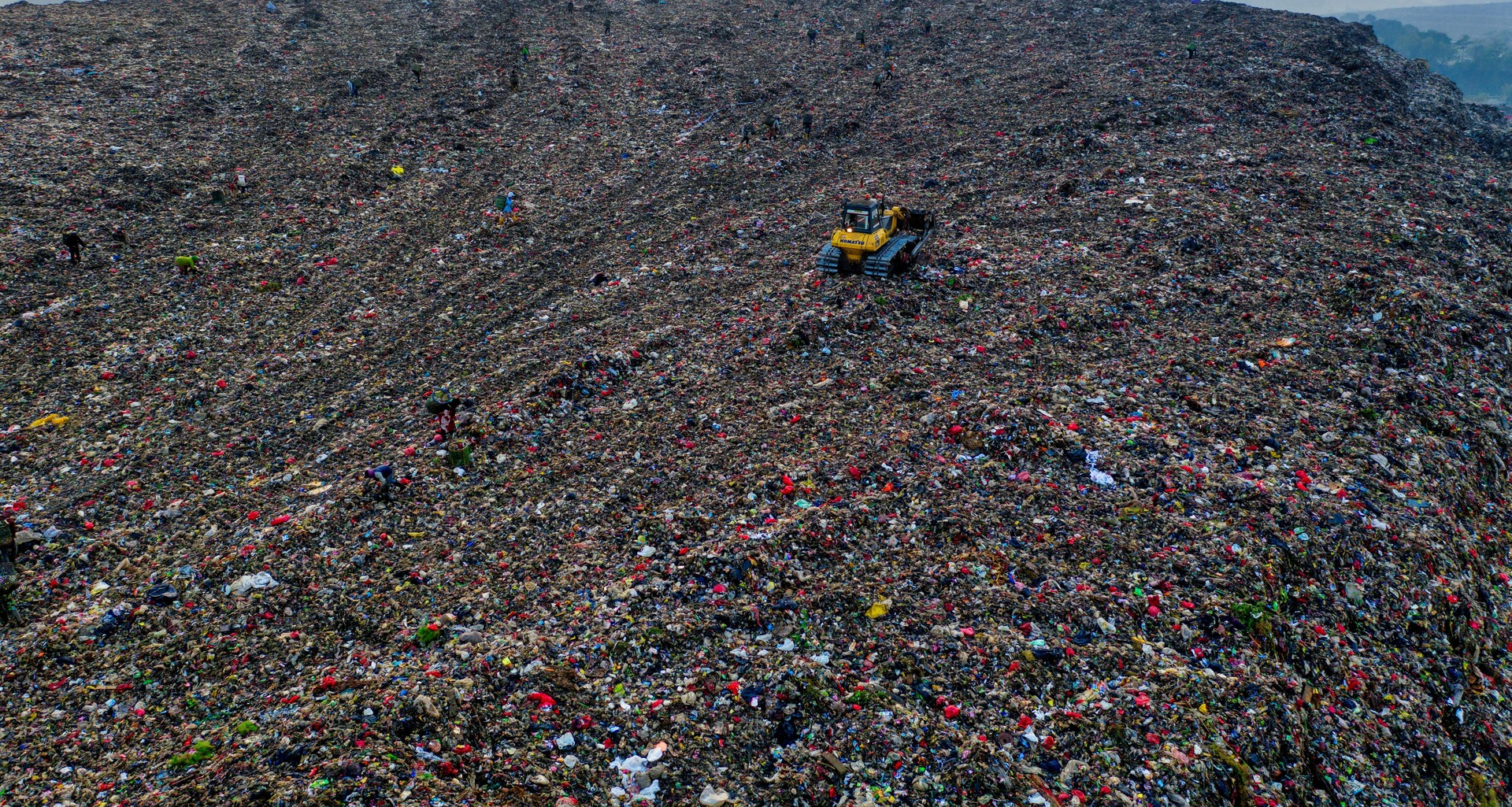
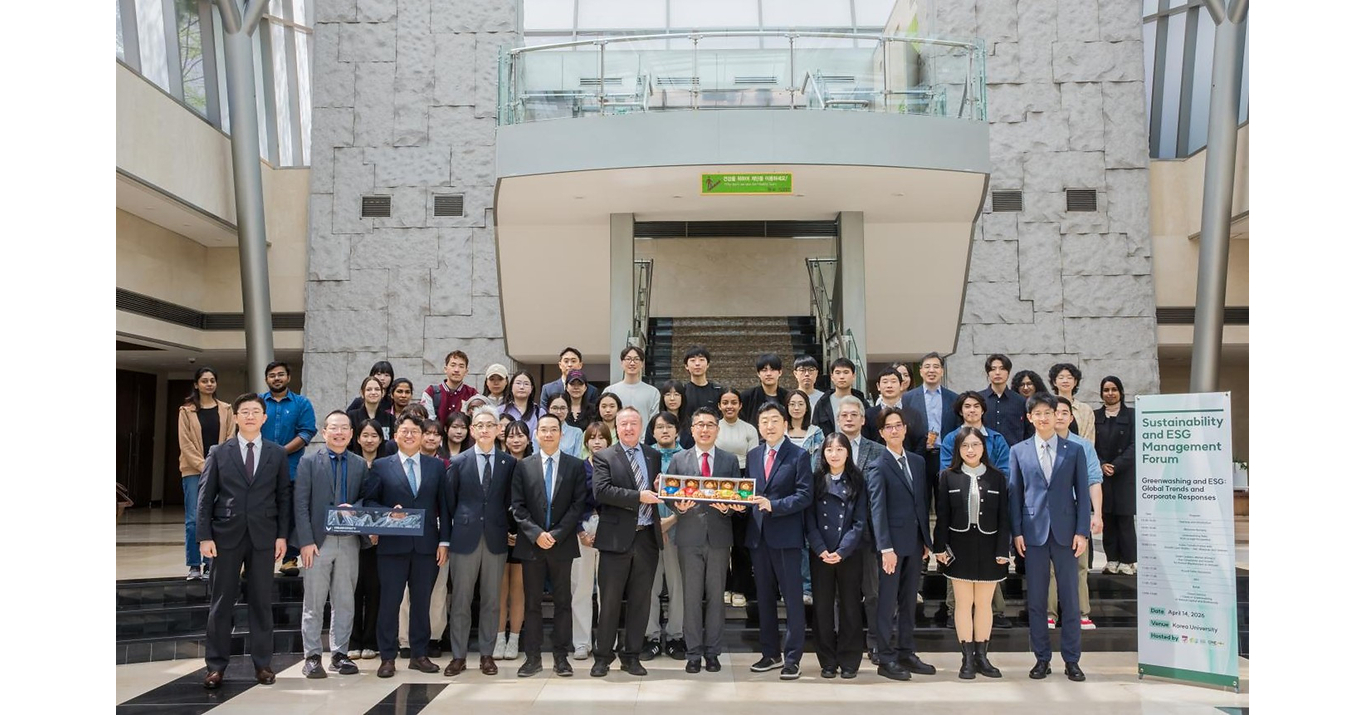
Prof. Yong Sik Ok highlights cross-industry collaboration to transform waste into sustainable value within a circular economy framework.
SEOUL, South Korea, May 22, 2026 /PRNewswire/ — Prof. Yong Sik Ok of Korea University is a leading researcher advancing circular economy solutions for waste mana…
Source: PR Newswire

AI News Q&A (Free Content)
Q1: What are the primary goals of the circular economy model, and how does it differ from the traditional linear economy?
A1: The circular economy model aims to extend the life cycle of products through sharing, leasing, reusing, repairing, refurbishing, and recycling. This model contrasts with the traditional linear economy, which follows a 'take, make, dispose' approach. The circular economy focuses on designing out waste, keeping products in use, and regenerating natural systems to address global challenges like climate change, biodiversity loss, and pollution.
Q2: How can intelligent metamaterials contribute to the circular economy, according to recent scholarly research?
A2: Intelligent metamaterials can facilitate circular economy principles by enabling products to adjust their physical properties in response to software commands. This adaptability helps mitigate resource waste caused by inefficient designs, aligning product design with circular economy goals. Such innovations make circular economy and rapid product design compatible by controlling properties like electromagnetic and mechanical features.
Q3: What role does network management logic play in implementing circular economy principles, as suggested by recent studies?
A3: Recent studies propose applying circular economy principles to software development, particularly network management logic. The introduction of concepts like the 'Socket Store' allows for modular distribution of network logic, mediating between users and network resources. This helps in implementing circular economy principles, ensuring efficient resource use and reducing waste in the software lifecycle.
Q4: How has China integrated circular economy principles into its national policies, and what impact has this had?
A4: China officially adopted circular economy principles in 2002, integrating them into national policies to combat environmental degradation and resource depletion. This approach has led China to become a leader in resource production while minimizing waste. Circular economy strategies have been crucial in addressing the environmental challenges posed by China's rapid industrialization.
Q5: What are some of the key business models that support the transition to a circular economy?
A5: Key business models supporting circularity include 'product-as-a-service', sharing platforms, and product life extension models. These models aim to optimize resource utilization, reduce waste, and create value for businesses and customers. They require a fundamental redesign of product concepts and service offerings to achieve long-term sustainability goals.
Q6: What are the potential environmental benefits of implementing circular economy strategies globally?
A6: Implementing circular economy strategies globally could reduce emissions by 22.8 billion tons, equivalent to 39% of 2019 global emissions. By focusing on sectors like cement, aluminum, steel, plastics, and food, circular economy practices can significantly decrease carbon footprints and enhance resource efficiency.
Q7: How do circular economy principles contribute to sustainable economic development?
A7: Circular economy principles contribute to sustainable economic development by minimizing waste, reducing carbon emissions, and increasing resource efficiency. These principles foster long-term growth by encouraging innovative business models and practices that enhance environmental protection and resource management.
References:
- Page: Circular economy
- Published: 2018-07-16, Title: Towards a Circular Economy via Intelligent Metamaterials
- Published: 2019-04-24, Title: Organizing Network Management Logic with Circular Economy Principles
- Page: China's circular economy