Summary
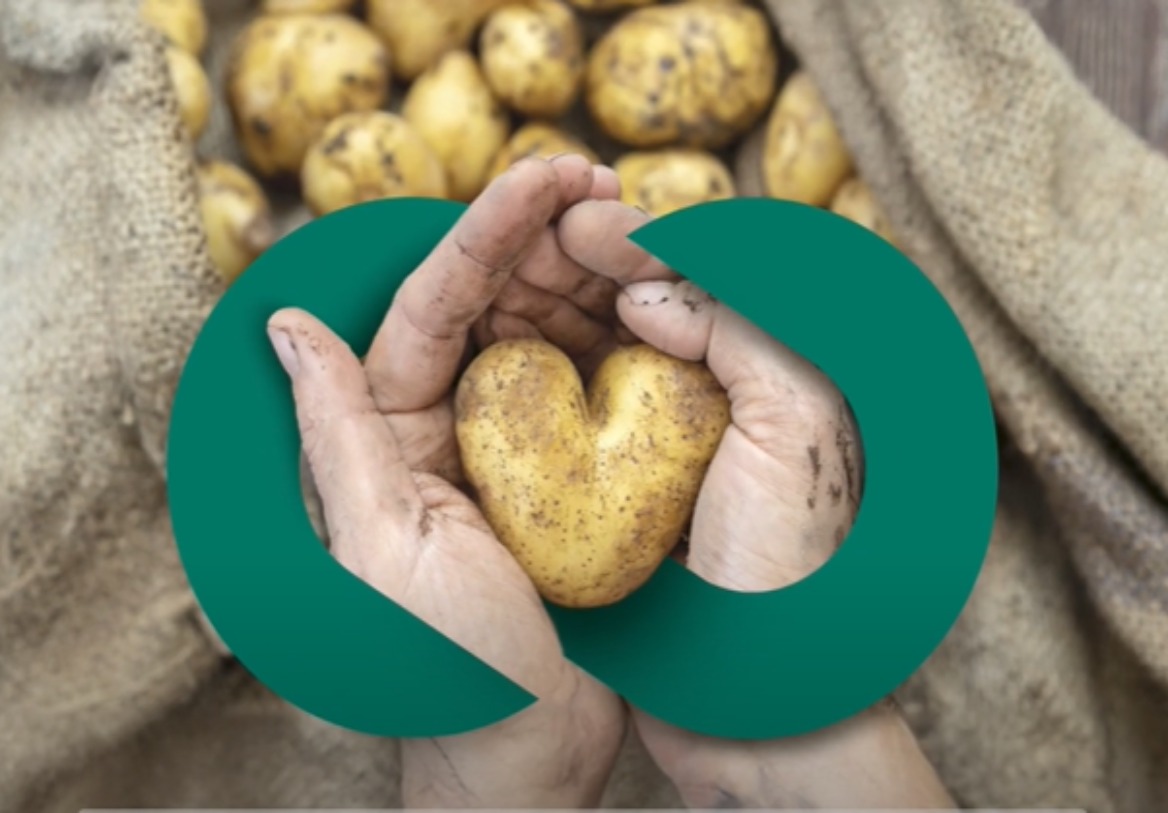
Australias manufacturing sector could play a central role in capturing value from the rapidly expanding global upcycled food market, projected to reach USD $68.56 billion by 2032, according to research supported by End Food Waste Australia.
The study points to a growing opportunity for manufacture…
Source: Australian Manufacturing

AI News Q&A (Free Content)
Q1: What is the projected market value of the upcycled food industry by 2032, and how might Australia's manufacturing sector benefit?
A1: The global upcycled food market is projected to reach USD $68.56 billion by 2032. Australia's manufacturing sector could significantly benefit from this growth by capturing value in this rapidly expanding market, as highlighted by research supported by End Food Waste Australia.
Q2: How does upcycling differ from traditional recycling, and what are its applications in the food industry?
A2: Upcycling involves transforming waste materials into products of greater quality or environmental value, whereas traditional recycling typically remakes items into their original form. In the food industry, upcycling can transform by-products into new, valuable food products, thus reducing waste.
Q3: What are the challenges and potential benefits of using blockchain technology in the agriculture and food supply chain?
A3: Blockchain technology offers a promising approach to creating a transparent food supply chain by facilitating transactions among distributed parties without intermediaries. However, challenges such as technical barriers, education, and regulatory frameworks limit its widespread adoption. Despite these challenges, there are numerous ongoing initiatives exploring its potential.
Q4: What are the key perceived consumption values influencing the acceptance of upcycled food among young female consumers in South Korea?
A4: The study identified four perceived consumption values—emotional, epistemic, functional, and economic values—as influencing consumer attitudes and purchase intentions. Emotional and epistemic values were significant predictors of positive attitudes toward upcycled food, while purchase intentions were significantly influenced by emotional, epistemic, and economic values.
Q5: How might food neophobia and environmental awareness impact consumer perceptions of upcycled foods?
A5: Consumers with lower levels of food neophobia (neophilic consumers) demonstrated more favorable perceptions, attitudes, and purchase intentions towards upcycled foods. Additionally, environmental awareness also played a role, with significant group differences observed for all variables except epistemic values.
Q6: What are some innovative ways Australian manufacturers can contribute to the upcycled food market?
A6: Australian manufacturers could innovate by developing new processes to convert food by-products into valuable products, creating partnerships with agriculture and food technology sectors, and adopting sustainable practices to enhance product value and reduce waste.
Q7: What role does the emotional value of upcycled food play in consumer purchase intentions?
A7: Emotional value, which relates to the personal satisfaction or emotional connection a consumer feels towards a product, significantly influences purchase intentions for upcycled foods. Consumers who perceive a high emotional value are more likely to have a positive attitude and intention to purchase upcycled products.
References:
- Upcycling - Wikipedia
- The Rise of Blockchain Technology in Agriculture and Food Supply Chains - arXiv
- Understanding upcycled food acceptance among young female consumers in South Korea
- Manufacturing potential highlighted as Australia eyes share of $68.56B upcycled food market - Australian Manufacturing