Summary
The Switzerland-based manufacturer of active cosmetic and personal care ingredients specializing in botanicals and phospholipid-based products has launc…
Source: agriculture.einnews.com

AI News Q&A (Free Content)
Q1: What is cascara and how is it utilized in the cosmetics industry?
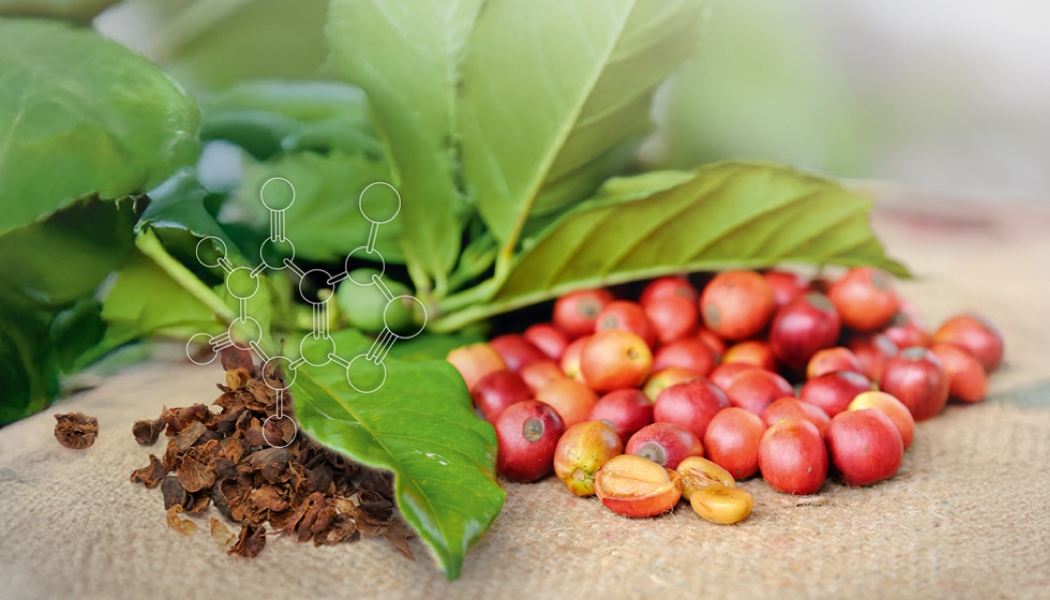
A1: Cascara, also known as coffee cherry tea, is made from the dried skins and pulp of coffee fruits. In the cosmetics industry, companies like Lipoid Kosmetik are exploring cascara as an active ingredient due to its bioactive compounds, such as dietary fibers and polyphenols, which can offer antioxidant and anti-inflammatory properties beneficial for skin health.
Q2: What are the potential health benefits of cascara based on recent scientific studies?
A2: Recent studies highlight that cascara is a source of valuable bioactive compounds that exhibit multiple health-promoting mechanisms. These include antioxidant activity, anti-inflammatory effects, prebiotic functionality, and metabolic regulation, making it a promising ingredient for functional food and cosmetic applications.
Q3: How does the valorization of coffee by-products like cascara impact sustainability?
A3: Valorizing coffee by-products such as cascara reduces waste and environmental impact by transforming them into high-value functional ingredients. This sustainable processing involves using green extraction technologies that efficiently recover bioactive compounds, thus minimizing environmental harm and contributing to circular economy principles.
Q4: What are the challenges faced in integrating cascara into food and cosmetic products?
A4: While cascara offers potential health benefits, challenges in its integration into products include sensory optimization and regulatory compliance. Ensuring stability and bioavailability of bioactives through advanced preservation strategies like microencapsulation is crucial for successful product formulation.
Q5: Are there any myths related to the use of cascara in cosmetics that have been debunked by scientific research?
A5: One myth is that natural ingredients like cascara are always safe and effective. However, scientific research emphasizes the need for robust human clinical trials to substantiate health claims, as preclinical successes don't always translate directly to validated benefits in humans.
Q6: What economic benefits does the upcycling of cascara offer to the food and cosmetics industries?
A6: Upcycling cascara provides economic benefits by creating new revenue streams from waste materials and reducing the costs associated with waste disposal. Additionally, it opens up opportunities for innovation in product development, tapping into consumer demand for sustainable and health-promoting products.
Q7: What advancements in extraction technologies have been made to enhance the use of cascara in sustainable product development?
A7: Advancements in extraction technologies, such as supercritical CO2 extraction and enzyme-assisted approaches, have improved the efficiency of recovering bioactive compounds from cascara. These methods support sustainable product development by enhancing the environmental friendliness of the extraction process.
References:
- Coffee cherry tea
- Upcycling Coffee By-Products Into Functional Ingredients: A Review on Sustainable Processing, Health Benefits, and Food Applications.