Summary
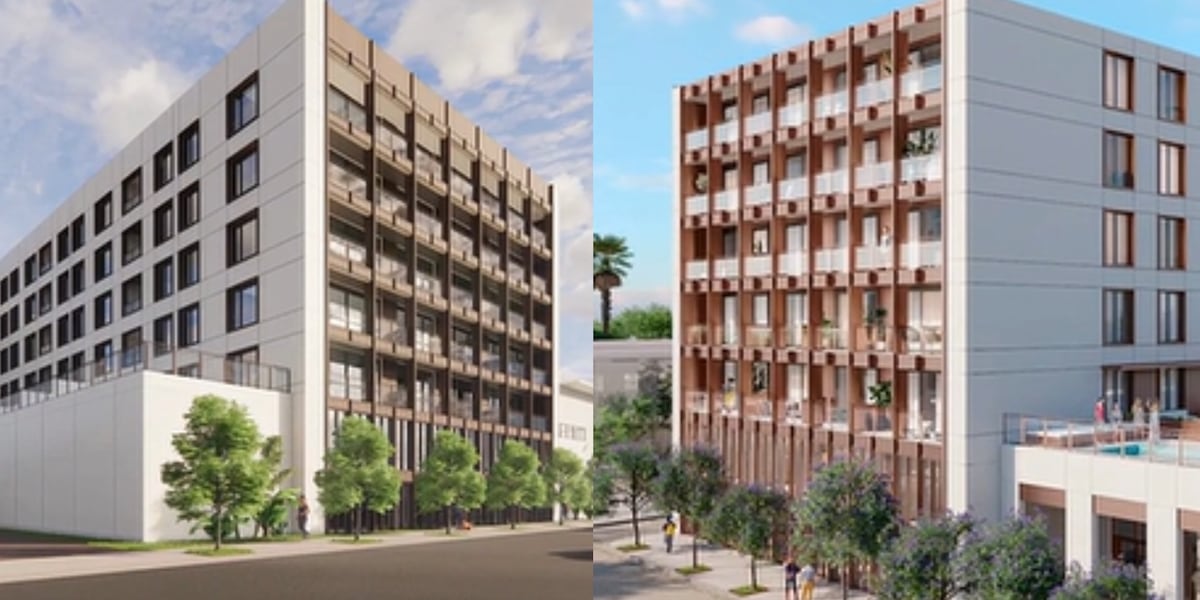
the city of Las Vegas is developing affordable housing for healthcare workers and students in an effort to address what officials say is a significant staffing shortage in southern Nevada.
Source: Https://www.fox5vegas.com

AI News Q&A (Free Content)
Q1: What is the Las Vegas Medical District housing project, and how does it aim to address the healthcare worker shortage in Southern Nevada?
A1: The Las Vegas Medical District housing project is an initiative by the city of Las Vegas to develop affordable housing specifically for healthcare workers and students. This project is designed to address the significant staffing shortage in Southern Nevada by providing affordable living options that can help retain doctors, nurses, and medical students. The development includes a 256-unit housing complex with some units designated for healthcare professionals, as well as plans for a hotel to accommodate visiting families of patients and students. The effort is part of a broader strategy to prioritize healthcare and strengthen the local economy by meeting the growing demand for medical professionals.
Q2: How significant is the healthcare worker shortage in Nevada, and what are the contributing factors?
A2: Nevada faces a significant healthcare worker shortage, with approximately 67% of the state's population residing in federally-designated primary medical care Health Professional Shortage Areas (HPSAs). Contributing factors include an aging nursing workforce, labor market volatility, and challenges in retaining healthcare professionals, particularly in rural areas. The shortage extends across various medical fields, including primary care, mental health, and dental services, impacting access to healthcare for millions of Nevadans.
Q3: What are the economic implications of the healthcare worker shortage in Nevada?
A3: The healthcare worker shortage in Nevada poses substantial economic challenges, including increased healthcare costs for residents and potential reductions in available medical services. The shortage threatens access to care, which can lead to worsening health outcomes and increased long-term healthcare expenses. The lack of adequate staffing also results in higher operational costs for healthcare facilities, which can be passed on to patients. Addressing these workforce shortages is critical for improving population health and reducing health disparities.
Q4: What strategies are being implemented to address the healthcare workforce shortage in Nevada?
A4: To tackle the healthcare workforce shortage, Nevada is implementing several strategies, including expanding educational programs for health professions, offering incentives such as downpayment assistance for homeownership to essential workers, and investing in infrastructure improvements in medical districts. The state also emphasizes 'grow your own' initiatives to increase the number and diversity of health program graduates, alongside efforts to retain existing healthcare professionals by addressing issues like burnout and migration.
Q5: What role does the UNLV School of Medicine play in addressing the healthcare worker shortage in Southern Nevada?
A5: The UNLV School of Medicine plays a crucial role in addressing the healthcare worker shortage in Southern Nevada by educating new generations of medical professionals. It offers programs that attract students, including international students, who may not have access to transportation or local housing. By providing education and training opportunities, the school helps increase the number of qualified healthcare professionals in the region, contributing to the long-term solution of the workforce shortage.
Q6: How does the Las Vegas Medical District housing project align with broader efforts to improve healthcare access in Nevada?
A6: The Las Vegas Medical District housing project aligns with broader efforts to improve healthcare access by providing affordable living options for healthcare professionals, thereby supporting workforce retention and recruitment. This initiative is part of the city's investment in medical district infrastructure, with approximately $150 million allocated to improvements. Such efforts not only aim to alleviate the immediate housing difficulties faced by healthcare workers but also contribute to the overall goal of enhancing healthcare accessibility and quality in the region.
Q7: What are the projected benefits of the Las Vegas Medical District housing project for healthcare students and professionals?
A7: The Las Vegas Medical District housing project is projected to benefit healthcare students and professionals by reducing their living costs and alleviating financial burdens associated with transportation and housing. By offering affordable housing options close to educational and healthcare facilities, the project helps minimize commute times and improve the quality of life for healthcare workers. This, in turn, is expected to enhance their retention and productivity, ultimately contributing to a more robust healthcare system in Southern Nevada.