Summary
Is seaweed vegetarian, vegan, or a plant? Discover if seaweed is vegan or non-vegan, the health benefits of nori, and hidden non-vegan ingredients.
Source: healthyfoodforliving.com

AI News Q&A (Free Content)
Q1: Is seaweed considered a vegetarian or vegan food?
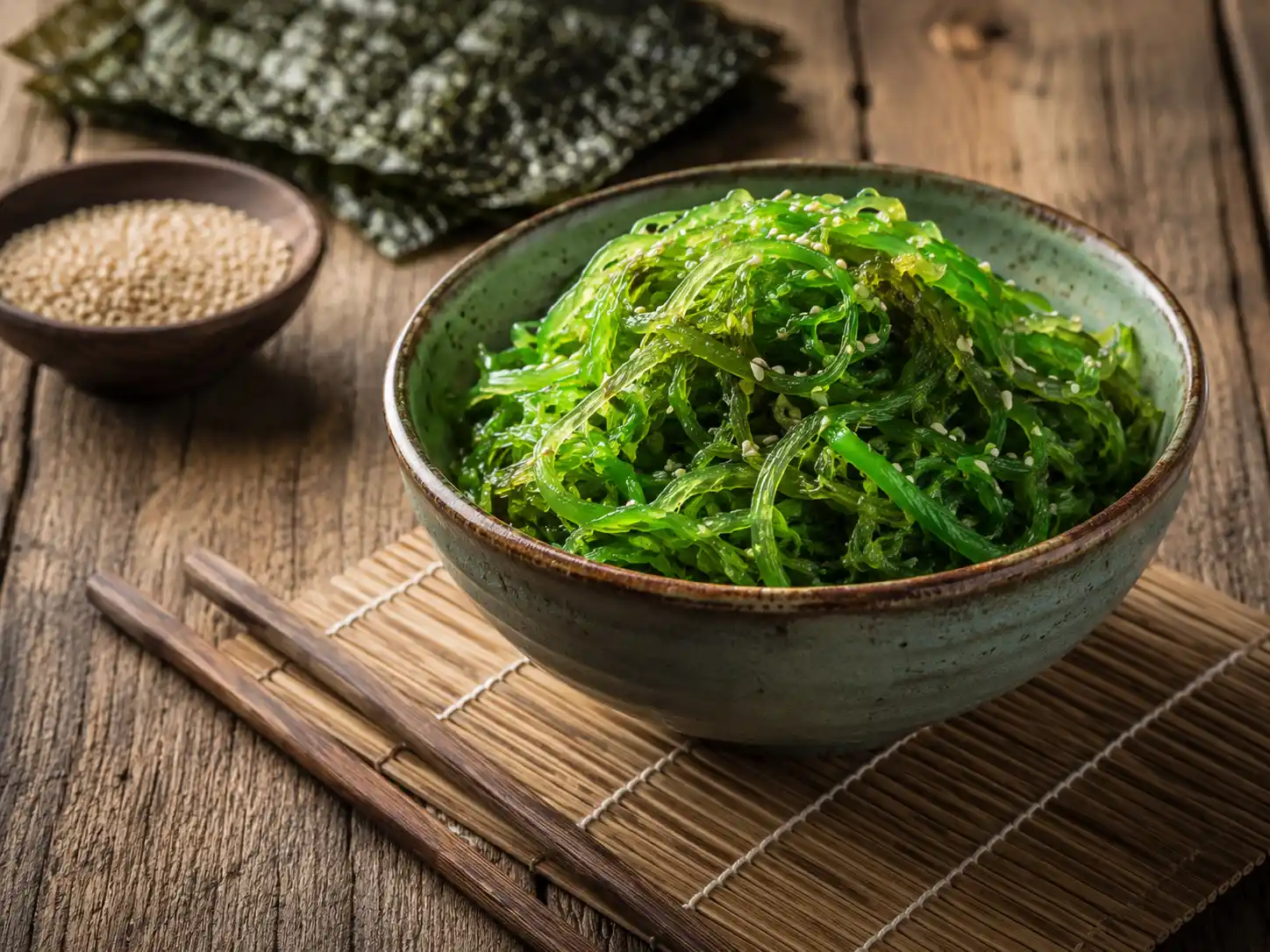
A1: Seaweed is widely recognized as both vegetarian and vegan. It is a type of macroalgae, which is a plant-like organism, and contains no animal products or by-products, making it suitable for both vegetarian and vegan diets.
Q2: What are the health benefits of consuming nori, a type of seaweed?
A2: Nori is rich in essential nutrients such as omega-3 fatty acids, iodine, and a variety of vitamins and minerals. It supports cardiovascular health, aids in thyroid function due to its iodine content, and provides antioxidants that can help combat inflammation and support overall health.
Q3: Are there any non-vegan ingredients to watch out for in seaweed products?
A3: While seaweed itself is vegan, processed seaweed products may sometimes contain non-vegan ingredients such as fish-based flavorings or animal-derived gelatin. It is important to check product labels for any added ingredients that may not align with a vegan diet.
Q4: What are the ecological benefits of cultivating seaweed?
A4: Cultivating seaweed offers several ecological benefits, including carbon sequestration, which helps reduce the carbon footprint, and supporting marine biodiversity by providing habitats for various marine species. Additionally, seaweed farming can help mitigate nutrient pollution in ocean environments.
Q5: How does seaweed contribute to a vegan diet specifically?
A5: Seaweed is a valuable addition to a vegan diet as it provides nutrients that are sometimes less available in plant-based diets, such as iodine and omega-3 fatty acids. It adds a unique umami flavor to dishes, enhancing their taste and nutritional profile.
Q6: What recent scientific studies highlight the therapeutic potential of Neopyropia yezoensis?
A6: Recent studies indicate that Neopyropia yezoensis, a type of red algae, has significant therapeutic potential due to its bioactive compounds. These compounds have shown antioxidant, anti-inflammatory, and neuroprotective effects in various experimental models.
Q7: Is there any controversy regarding the use of seaweed-based additives in food products?
A7: Carrageenan, a seaweed-based additive, is approved for use in foods for its gelling and thickening properties. However, some studies have raised concerns about its potential to cause digestive issues when consumed in large amounts, although it is generally considered safe by regulatory bodies like the FDA.
References:
- Seaweed - Wikipedia
- Veganism - Wikipedia
- Therapeutic Potential of Neopyropia yezoensis
- Health benefits of seaweed: Edible varieties and where to buy it - Vegan Food & Living
- Seaweed caviar: A plant-based food - Caviart
- Seaweed - The Nutrition Source