Summary
IMO: Net-Zero Framework has majority support
The feared collapse of the IMOs climate program did not materialize. The LNG lobby and a group of oil-producing nations led by the US were unable to halt the NZF negotiations. However, uncertainty remains.
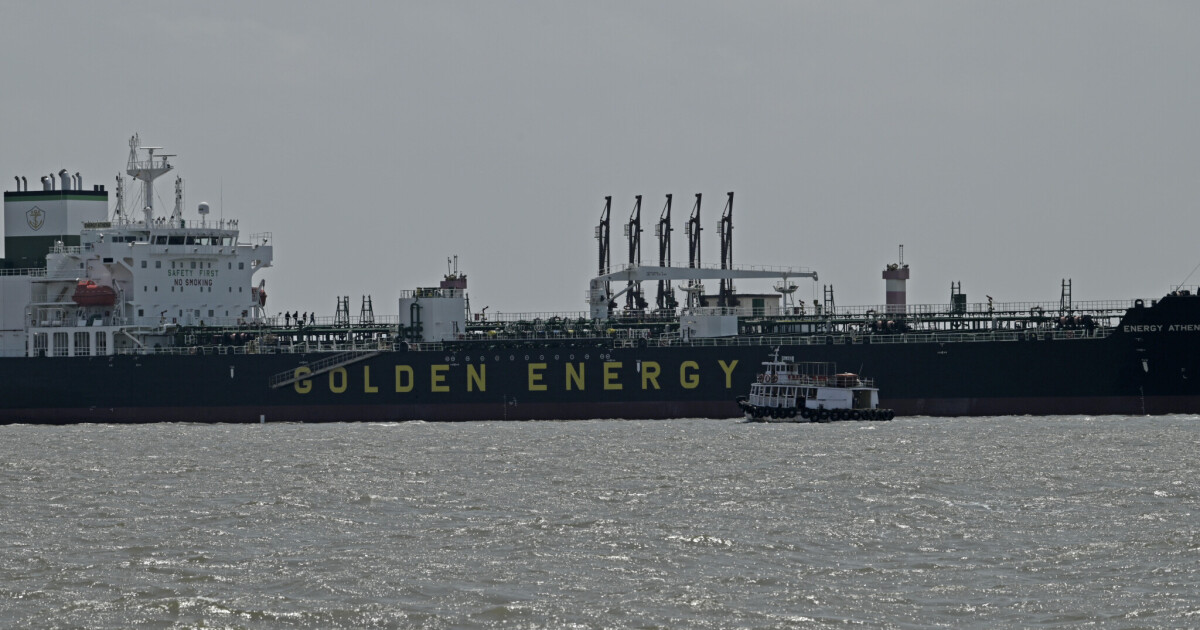
The British tanker Energy Athena at an unloa…
Source: Table.Briefings

AI News Q&A (Free Content)
Q1: What is the IMO Net-Zero Framework and what are its main objectives?
A1: The IMO Net-Zero Framework (NZF) is a proposed global system intended to price maritime shipping emissions. It aims to impose a carbon price of 100 USD per tonne of CO2 equivalent to encourage the shipping industry to reduce pollution. The main objectives are to cut annual GHG emissions from international shipping by at least 20% by 2030, with a stretch goal of 30%, and to ensure that at least 5% of the sector’s energy comes from zero or near-zero emission fuels and technologies by 2030.
Q2: How does the IMO Net-Zero Framework plan to support the transition to low-emission shipping solutions?
A2: The framework plans to support the transition by sending a clear demand signal to fuel producers, rewarding first movers who adopt low- and zero-emission solutions early, and enabling the existing fleet to adapt without undue penalties. It also supports vulnerable states through the IMO Net-Zero Fund to advance shipping's energy transition.
Q3: What role does the Marine Environment Protection Committee play in the IMO Net-Zero Framework?
A3: The Marine Environment Protection Committee (MEPC) adopted the updated GHG strategy in 2023, which underpins the NZF. The MEPC's role is crucial as it sets targets and technical measures, including global fuel standards and emissions reduction targets, to guide the shipping sector towards achieving net-zero emissions by 2050.
Q4: What are some challenges faced by the IMO Net-Zero Framework in its implementation?
A4: Challenges include resolving technical and implementation issues such as life-cycle assessment methodology, fuel certification, and key design elements of the compliance and reward mechanisms. Political resistance, particularly from some countries and industry lobby groups, poses additional hurdles to its adoption.
Q5: How does the IMO Net-Zero Framework align with the global climate change policies?
A5: The NZF is aligned with global climate change policies by implementing a mandatory emissions limit and GHG pricing scheme across the shipping sector. It builds on existing GHG reduction measures and supports the broader objectives of the 2023 IMO GHG Strategy to mitigate climate change impacts.
Q6: What are the projected impacts of the IMO Net-Zero Framework on the shipping industry?
A6: The projected impacts include a significant reduction in GHG emissions, increased adoption of zero and near-zero GHG fuels, and technological advancements within the industry. It also aims to incentivize shipping companies to invest in cleaner technologies and practices, transforming the sector into a more sustainable model.
Q7: What are the scholarly perspectives on the impacts of climate change on maritime shipping?
A7: Scholarly perspectives emphasize that maritime shipping contributes significantly to global GHG emissions. Research indicates that climate change will intensify extreme weather conditions, affecting shipping routes and operations. The NZF is seen as a necessary intervention to address these challenges by promoting sustainable practices within the industry.