Summary
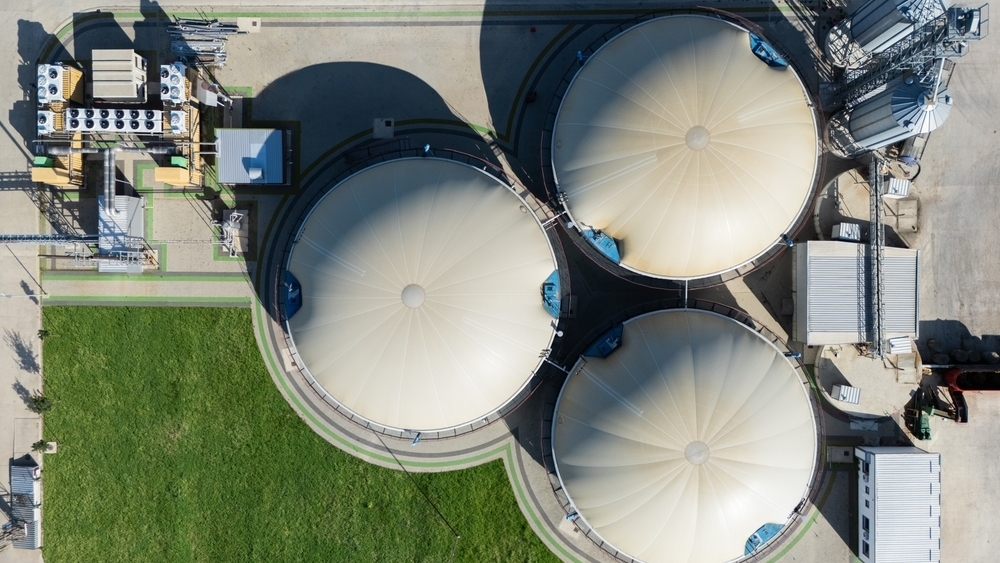
Mobius Renewables is set to acquire a portfolio of biogas production sites from Air Liquide. The sites, spread across France, Norway, Sweden and the United States were purchased for an undisclosed amount. The transaction also includes a 51% interest in Redo Biosolutions, a Norwegian waste-to-energy …
Source: Net Zero Investor

AI News Q&A (Free Content)
Q1: What is the significance of Mobius Renewables' acquisition of Air Liquide's biogas production sites across multiple countries?
A1: Mobius Renewables' acquisition of Air Liquide's biogas production sites in the United States, France, Norway, and Sweden marks a strategic expansion into the Renewable Natural Gas (RNG) sector. This acquisition allows Mobius Renewables to enhance its operational scale and capacity, positioning itself competitively in the fragmented RNG market. The deal includes landfill gas-to-RNG sites and farm waste sites, along with a 51% stake in Redo Biosolutions, which enhances its footprint in the biogas production and distribution sectors across Europe and North America.
Q2: How does the acquisition affect Air Liquide's business strategy?
A2: The acquisition of biogas assets by Mobius Renewables represents a strategic divestiture for Air Liquide as it refocuses its resources on its core industrial gases and energy transition businesses. This realignment allows Air Liquide to concentrate on its broader goals and operational efficiencies, potentially opening up new avenues for growth within its primary sectors.
Q3: What role does Redo Biosolutions play in the biogas industry, and how does it fit into Mobius Renewables' strategy?
A3: Redo Biosolutions, a joint venture between Air Liquide and Skagerak Energi, specializes in producing and distributing biomethane and biofertilisers. It plays a crucial role in converting organic waste into renewable energy, thereby supporting sustainability and decarbonization goals in the Nordic region. With Mobius Renewables acquiring a 51% interest, the company plans to leverage Redo's expertise and assets to strengthen its presence in the renewable energy market, aligning with its goal of becoming a leading producer of RNG globally.
Q4: What are some recent innovations in biogas production technologies?
A4: Recent innovations in biogas production technologies include the development of hybrid optimization techniques that enhance biohydrogen production from lignocellulosic biomass. These innovations focus on optimizing input factors such as pretreatment, digestion time, and volatile fatty acids to improve biogas parameters like methane and hydrogen yields. Such advancements aim to increase the efficiency and sustainability of biogas production, making it a more viable alternative to fossil fuels.
Q5: How does the acquisition position Mobius Renewables in the global RNG market?
A5: With the acquisition of Air Liquide's biogas assets, Mobius Renewables significantly enhances its operational capacity and geographical reach across North America and Europe. This strategic move positions the company as a vertically integrated platform capable of developing, owning, and operating RNG assets across the value chain. By integrating these assets, Mobius Renewables gains exposure to diverse regulatory regimes and incentive structures, particularly in Europe, which can drive its growth in the rapidly evolving RNG sector.
Q6: What environmental impact does the production of biogas have, and how does it contribute to sustainability?
A6: Biogas production utilizes organic waste, such as agricultural residues and food waste, to generate renewable energy, thereby reducing greenhouse gas emissions. By converting waste into biogas, this process not only helps manage waste efficiently but also provides a sustainable energy alternative to fossil fuels. Upgraded biogas, or biomethane, can be used as a vehicle fuel or injected into natural gas grids, contributing to cleaner energy solutions and supporting global sustainability goals.
Q7: What challenges and opportunities exist in the waste-to-energy sector, particularly regarding biogas?
A7: The waste-to-energy sector, especially in biogas production, faces challenges such as ensuring consistent feedstock supply, managing impurities during biogas upgrading, and navigating regulatory landscapes. However, opportunities abound in improving energy efficiency through technological advancements and expanding the use of biogas as a clean energy source. The sector's potential to significantly reduce carbon emissions and reliance on fossil fuels presents a promising avenue for sustainable development.
References:
- A model of anaerobic digestion for biogas production using Abel equations
- Structural optimization of biohydrogen production: Impact of pretreatments on volatile fatty acids and biogas parameters