Summary
Jane McClenaghan says certain foods may help support your bodys histamine response and ease common symptoms
Source: The Irish News

AI News Q&A (Free Content)
Q1: What is hay fever, and how does it affect individuals?
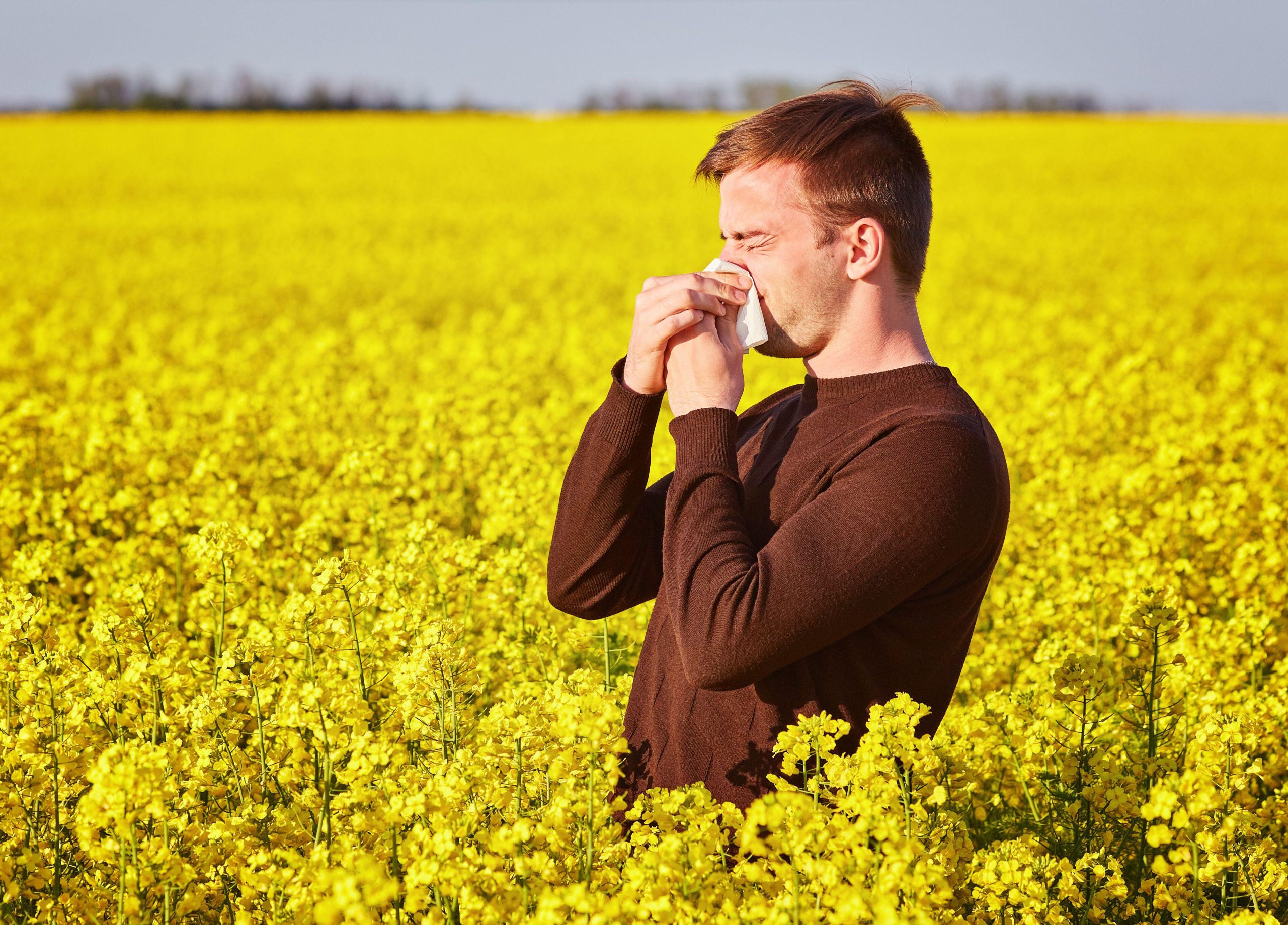
A1: Hay fever, also known as allergic rhinitis, is an allergic reaction caused by airborne allergens such as pollen, dust mites, and mold spores. It leads to symptoms like sneezing, a runny or blocked nose, itchy eyes, and fatigue. The immune system overreacts to these allergens, causing inflammation in the nose and eyes. The condition can significantly impact daily activities by affecting sleep and the ability to work or study.
Q2: Which foods are recommended to help manage hay fever symptoms, and why?
A2: Certain foods are known to help manage hay fever symptoms due to their anti-inflammatory properties. These include fatty fish rich in omega-3 fatty acids, leafy greens, fruits like berries and citrus, and whole grains. Omega-3 fatty acids can reduce inflammation, while antioxidants in fruits and vegetables help bolster the immune system. Whole grains provide nutrients that support immune response.
Q3: How can vitamin C intake influence allergy symptoms?
A3: Vitamin C is associated with a lower risk of developing allergy symptoms due to its antioxidant properties. It can help reduce inflammation and act as a natural antihistamine. Foods high in vitamin C, such as citrus fruits, bell peppers, and strawberries, are recommended to help manage allergy symptoms by enhancing the immune system.
Q4: What is the role of probiotics in managing hay fever symptoms?
A4: Probiotics, known as 'good bacteria,' are crucial for maintaining gut health, which in turn supports a balanced immune response. By integrating probiotics into the diet through yogurt, kefir, and fermented foods like sauerkraut, individuals may alleviate the severity of hay fever symptoms.
Q5: What does recent research suggest about the association between pollen and food allergens in hay fever?
A5: Recent research indicates a correlation between pollen allergens and food allergens in individuals with pollen-food allergy syndrome (PFAS). Peanuts and tree combinations, for instance, show a high probability of severe symptoms. Understanding these correlations helps in developing individualized dietary management strategies for those affected.
Q6: What are some foods to avoid for individuals with hay fever, and why?
A6: Individuals with hay fever are advised to avoid foods that cause inflammation, such as refined carbohydrates, fried foods, and processed meats. These foods can exacerbate inflammation, a key factor in allergy symptoms, thereby potentially worsening hay fever.
Q7: How might turmeric and its active component, curcumin, benefit those with hay fever?
A7: Turmeric, particularly its active component curcumin, possesses anti-inflammatory properties that may help reduce symptoms like nasal congestion and sneezing. Studies have shown that curcumin can improve nasal airflow and boost immunity, supporting its use in managing hay fever symptoms.
References:
- Allergic rhinitis - https://en.wikipedia.org/wiki/Allergic_rhinitis
- Nourish Your Way to Relief: Nutritional Tips to Alleviate Hay Fever Symptoms - https://www.britishallergyclinic.com/post/nourish-your-way-to-relief-nutritional-tips-to-alleviate-hay-fever-symptoms
- Foods That Help with Seasonal Allergies - https://www.flonase.com/allergies/food-for-seasonal-allergies
- Home Remedies for Allergies - https://www.healthline.com/health/home-remedies-for-allergies
- Pollen-food allergy syndrome: association between allergen cross-reactivity and symptom severity - Journal of Clinical Otorhinolaryngology Head and Neck Surgery.