Summary
Professional chefs say these four common kitchen mistakes, including cross-contamination and dull knives, put home cooks at risk of injury and illness.
Source: Fox News

AI News Q&A (Free Content)
Q1: What are the common kitchen habits that professional chefs believe home cooks should stop doing immediately to avoid cross-contamination?
A1: Professional chefs recommend avoiding several common kitchen habits to prevent cross-contamination. These include improper handling of raw meat and vegetables, not thoroughly washing hands and surfaces after handling raw foods, and neglecting to use separate cutting boards for different food types. According to the study on hygiene practices for cutting boards, improper cleaning can lead to pathogen transfer, particularly when dealing with chicken, where contamination can spread up to 120 cm from the source. Ensuring proper sanitation and separation of food items can significantly reduce the risk of foodborne illnesses.
Q2: Why is using dull knives in the kitchen considered hazardous according to chefs and safety experts?
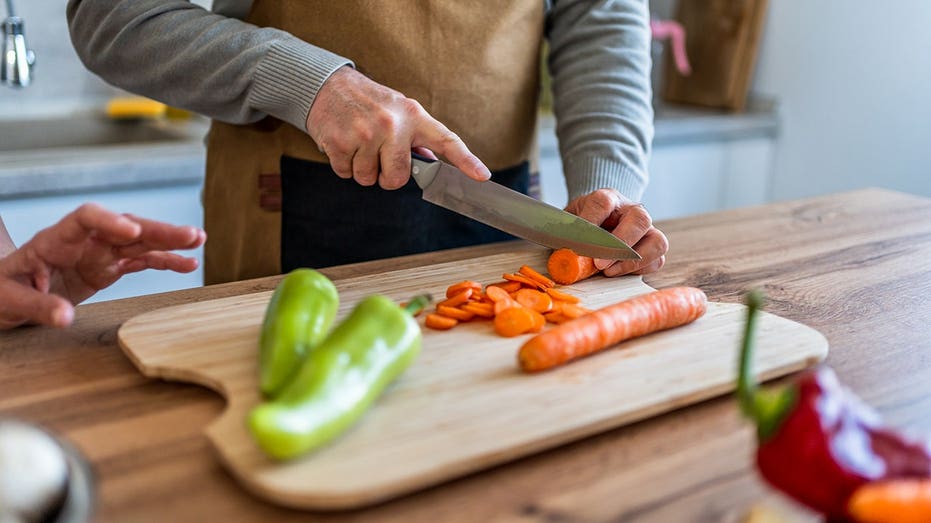
A2: Using dull knives is hazardous because they require more force to cut, increasing the likelihood of slipping and causing accidental cuts. Experts emphasize that a sharp knife provides better control and precision. Additionally, dull knives can crush or tear food rather than slicing it cleanly, affecting both safety and the quality of food preparation. It is recommended to regularly sharpen knives to maintain their efficiency and safety during use.
Q3: What does recent research indicate about the effectiveness of sanitation practices to prevent cross-contamination in food environments?
A3: Recent research, such as the study on postharvest water sanitation practices in Michigan apple packinghouses, highlights variability in sanitation effectiveness. The study found inconsistencies in sanitizer concentrations and a rise in turbidity over time. Although microbial contamination was generally low, the presence of pathogens like E. coli, though infrequent, underscores the need for stringent and consistent sanitation practices to prevent cross-contamination in food environments.
Q4: How do chefs suggest handling knives to avoid accidents and maintain their quality?
A4: Chefs suggest several practices to handle knives safely and maintain their quality. Knives should never be left in sinks, as they can be concealed under soapy water, posing a risk of cuts. Instead, knives should be washed and dried immediately after use. It is also advised to store knives properly in a knife block or magnetic strip to prevent dulling the blades and to ensure they are easily accessible without risk of injury.
Q5: What are the recommended practices for preventing food contamination in kitchens, specifically with cutting boards?
A5: To prevent food contamination, it is recommended to use separate cutting boards for raw meat and other foods like vegetables. The study on cutting boards and chicken handling found that common methods of cleaning, such as rinsing with water or scraping with a knife, were inadequate. Disinfecting cutting boards with appropriate cleaning agents is crucial to eliminate pathogens effectively. Regular cleaning and replacement of cutting boards can further mitigate contamination risks.
Q6: How does the improper storage and cleaning of kitchen knives affect their longevity and safety?
A6: Improper storage and cleaning of kitchen knives can significantly affect their longevity and safety. Storing knives in sinks or dishwashers can dull blades, cause rust, and degrade handles. This not only shortens the knife's lifespan but also poses safety hazards during use. Proper storage involves using a knife block or magnetic strip, and cleaning should be done by hand to preserve the knife's sharpness and ensure safe handling.
Q7: What steps can home cooks take to improve kitchen safety and prevent common cooking mishaps?
A7: Home cooks can improve kitchen safety by adopting several practices: ensuring knives are sharp and properly stored, using separate cutting boards for different food types to avoid cross-contamination, and maintaining cleanliness by washing hands and surfaces regularly. Additionally, avoiding overcrowding pans, correctly handling hot items, and following recipes carefully can prevent mishaps and enhance cooking outcomes. Being mindful of these practices can lead to a safer and more efficient cooking environment.
References:
- Evaluation of Hygiene Practice for Reducing Contamination on Cutting Boards and Risks Associated with Chicken Handling in Kitchen Environment.
- In-Plant Validation of Postharvest Water Sanitation Practices to Prevent Cross-Contamination in Michigan Commercial Apple Packinghouses.