
Summary
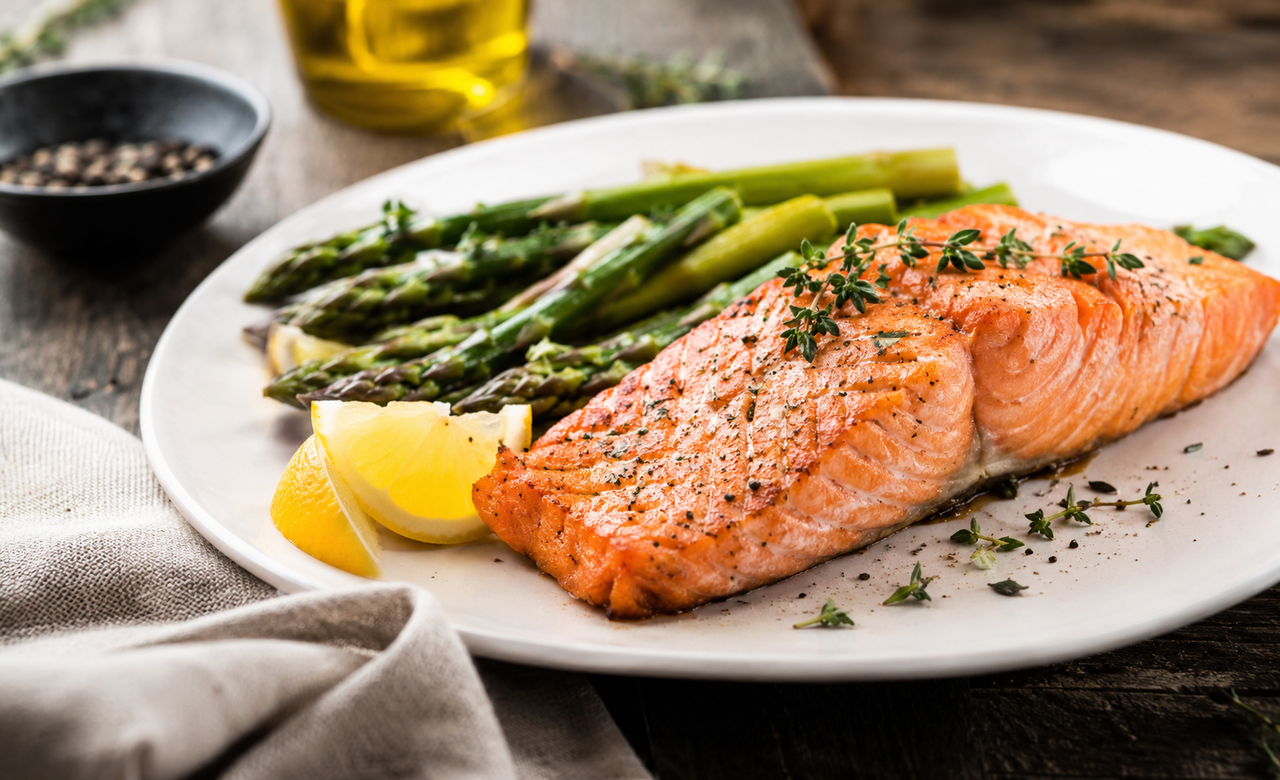
Occasionally eating salmon or sardines does not guarantee the health benefits commonly associated with omega-3 fatty acids.
Source: Al Da News

AI News Q&A (Free Content)
Q1: What are the primary sources of omega-3 fatty acids, and why is their dietary inclusion important?
A1: Omega-3 fatty acids are primarily found in marine sources like fish and algae, and in certain plant sources such as chia seeds, flaxseeds, and walnuts. They are essential for human physiology, playing a crucial role in maintaining cardiovascular health, reducing inflammation, and supporting brain health. Since the human body cannot synthesize alpha-linolenic acid (ALA), one of the omega-3 fatty acids, it must be obtained through diet, where it can be converted into eicosapentaenoic acid (EPA) and docosahexaenoic acid (DHA).
Q2: What are the potential health risks associated with omega-3 fatty acid deficiency?
A2: Omega-3 fatty acid deficiency can increase the risk of cardiovascular issues, such as high blood pressure, heart disease, and stroke. It can also weaken the immune system, making the body more susceptible to infections and slowing down the healing process of wounds. Furthermore, deficiencies are linked to a higher risk of psychiatric disorders, including depression and schizophrenia, as omega-3s are vital for brain health.
Q3: How do plant-based omega-3 supplements compare to fish-based supplements?
A3: Plant-based omega-3 supplements, primarily derived from algae, are a sustainable alternative for those following a vegan or vegetarian diet. They provide direct sources of EPA and DHA without the environmental and safety concerns associated with fish sources. Products like Barlean's Vegan Omega 3 offer comprehensive omega-3 benefits, supporting heart, brain, and joint health without the fishy aftertaste.
Q4: What recent innovation has been made in the delivery of plant-based omega-3s in food products?
A4: Recent innovations include the use of amylose-chia oil fatty acid inclusion complexes in commercial food products like instant soups. These complexes help incorporate omega-3s into foods while maintaining their stability and bioavailability. This method not only enhances the nutritional profile of foods but also improves their sensory attributes, making them more appealing to consumers.
Q5: What have studies shown about the effectiveness of omega-3 supplements in preventing cardiovascular diseases?
A5: Studies have shown mixed results regarding the effectiveness of omega-3 supplements in preventing cardiovascular diseases. While they may modestly lower blood pressure and reduce triglycerides, they do not significantly impact heart-related mortality or the incidence of cardiovascular events. Therefore, focusing on a balanced diet rich in natural sources of omega-3s might be more beneficial.
Q6: How do omega-3 deficiencies affect global health patterns, particularly in low-income regions?
A6: Omega-3 deficiencies significantly contribute to the global burden of ischemic heart disease (IHD), especially in regions with low socio-demographic indices. These deficiencies are linked to increased rates of cardiovascular diseases, and public health strategies focusing on dietary improvements are vital in mitigating these risks in affected areas.
Q7: What are the benefits of maintaining a low omega-6/omega-3 ratio in the diet?
A7: Maintaining a low omega-6/omega-3 ratio is associated with reduced risks of autoimmune diseases, asthma, and allergies. It helps balance inflammatory responses in the body and supports overall health. A balanced ratio can be achieved by increasing omega-3 intake through diet or supplementation, particularly from plant-based sources.