Summary
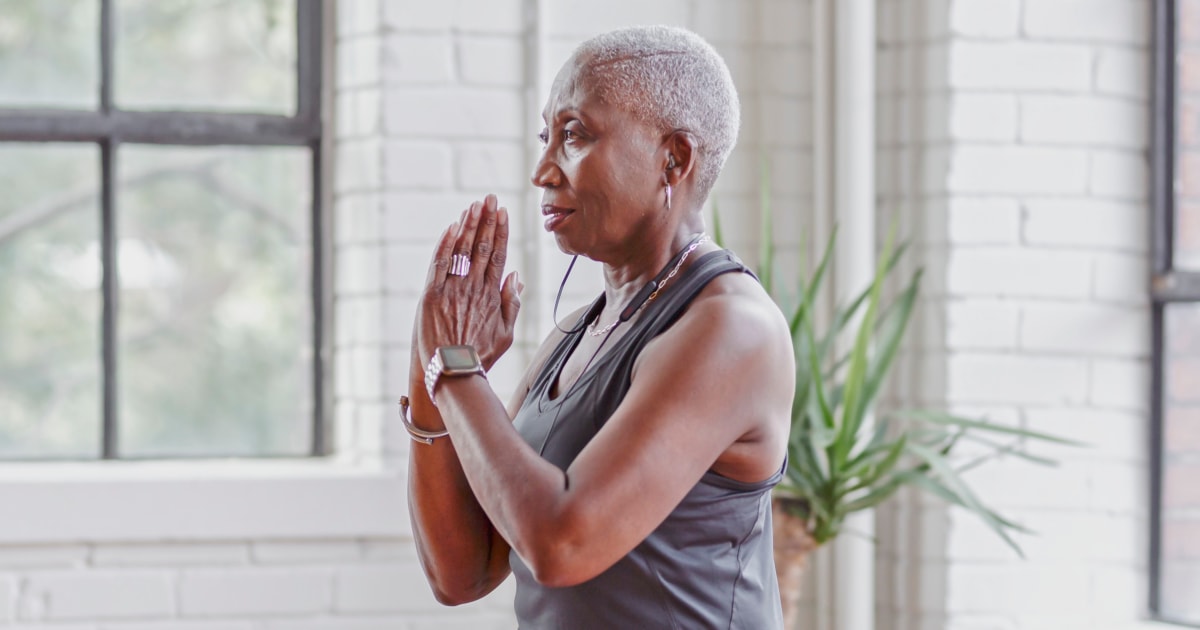
Research shows that your grip strength, bone density and genetics can all play a role in your quality of life as you age but how long can you stand on one leg?
As we get older, were more likely to have difficulty balancing, according to the National Institute on Aging. But maintaining balance an…
Source: TODAY.com

AI News Q&A (Free Content)
Q1: How does grip strength correlate with aging and overall health?
A1: Grip strength is an important indicator of overall muscle strength and health. Studies suggest that stronger grip strength is associated with better cardiovascular health, reduced risk of falls, and longevity. It's often used as a surrogate marker for aging and can predict the risk of future health issues, such as fractures, disability, and mortality. As we age, maintaining grip strength is crucial for independence and quality of life.
Q2: What role does balance play in predicting health outcomes in older adults?
A2: Balance is a critical component in assessing the health of older adults. The ability to stand on one leg for at least 10 seconds is linked with improved survival rates. Poor balance increases the risk of falls, which are a leading cause of injury and loss of independence in the elderly. Regular balance training, including exercises like tai chi and yoga, can improve stability and reduce fall risk.
Q3: What are the key factors in promoting longevity according to recent studies?
A3: Recent research identifies a combination of genetic, epigenetic, metabolic, immune, and environmental factors as key to promoting longevity. Long-lived individuals often delay or avoid age-related diseases due to genetic resilience, healthy lifestyles, and a varied gut microbiota. Regular physical activity, a plant-based diet, non-smoking, moderate alcohol intake, and stress management are critical lifestyle factors contributing to a longer, healthier life.
Q4: How does regular exercise impact longevity and health in seniors?
A4: Regular physical activity significantly lowers the risk of several age-related conditions, including heart disease, diabetes, osteoporosis, and cognitive decline. The U.S. Department of Health recommends at least 150-300 minutes of moderate to vigorous activity weekly, along with muscle-strengthening exercises. Exercise improves sleep quality, reduces anxiety, and enhances overall health, making it a keystone for longevity.
Q5: What are the benefits of balance training for seniors, and how should it be incorporated?
A5: Balance training is essential for seniors to prevent falls and maintain independence. Exercises like single-leg stands or corner stands are recommended. Practicing balance for 10-20 seconds per leg, repeating several times, can significantly reduce fall risk. Integrating balance exercises into daily routines helps maintain stability and is crucial for successful aging.
Q6: How do lifestyle and environmental factors contribute to the health of long-lived individuals?
A6: Lifestyle and environmental factors such as diet, physical activity, sleep, and stress management are crucial for healthy aging. Long-lived individuals often have a diverse gut microbiome and engage in regular exercise, which promotes metabolic health. Plant-based diets are associated with lower risks of chronic diseases, highlighting the importance of these factors in extending lifespan and quality of life.
Q7: What insights do centenarians offer into the science of longevity?
A7: Centenarians provide valuable insights into longevity, often exhibiting a unique combination of genetic and lifestyle factors that delay aging. Research shows they maintain metabolic adaptability, immune balance, and engage in healthy lifestyles. Their experiences highlight the potential for personalized interventions to promote healthspan and extend both lifespan and quality of life.
References:
- Grip strength
- Factors involved in human healthy aging: insights from longevity individuals
- Healthy Longevity
- Balance and gait training for fall prevention