
Summary
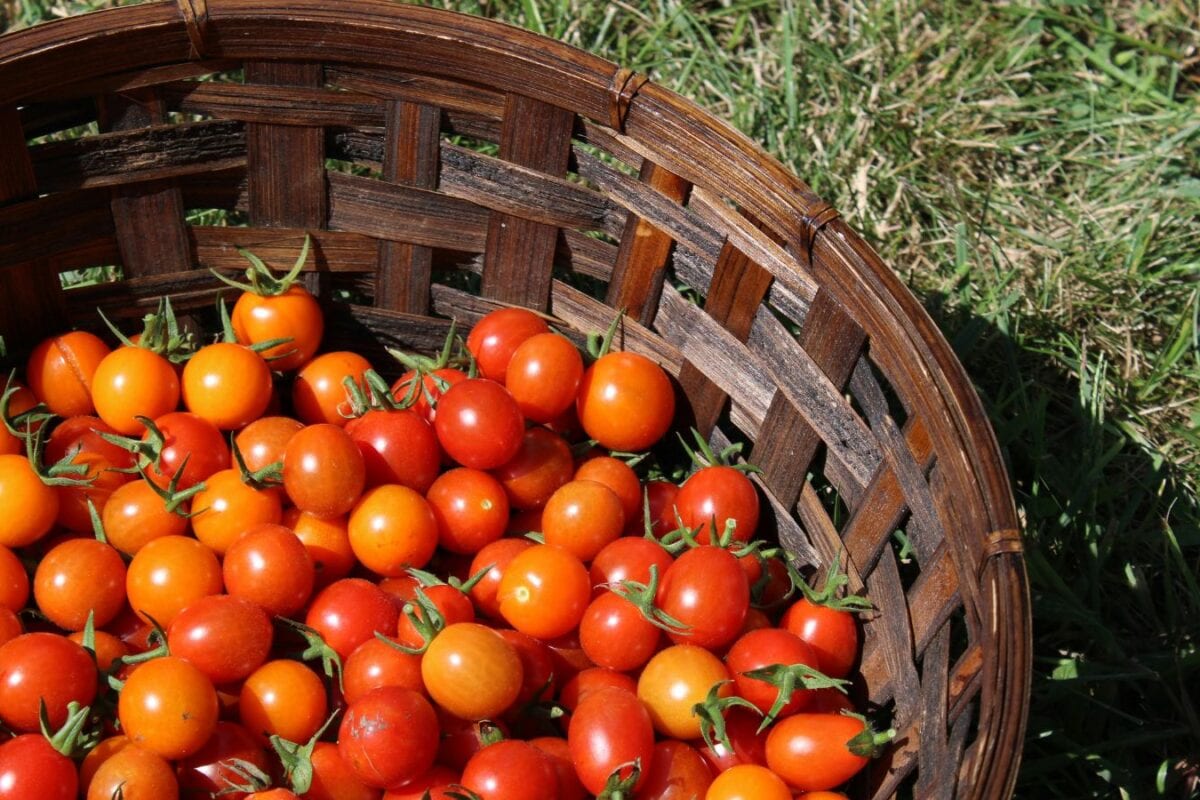
Hybrid tomatoes are developed using modern agricultural techniques to improve yield, size, disease resistance, and shelf life.
Source: News 18

AI News Q&A (Free Content)
Q1: What are the primary differences between desi and hybrid tomatoes in terms of cultivation and characteristics?
A1: Desi tomatoes are traditional varieties that are known for their rich flavor and higher citric acid content, which gives them a sharp taste. They are generally open-pollinated and grown from seeds passed down through generations. Hybrid tomatoes, on the other hand, are developed through intentional cross-pollination of different tomato varieties. These hybrids are cultivated to improve traits like size, yield, disease resistance, and shelf life, often resulting in a more neutral flavor to appeal to a broader audience.
Q2: How do hybrid tomatoes contribute to increased agricultural productivity?
A2: Hybrid tomatoes are bred for specific traits such as disease resistance, uniform size, and higher yield, which contribute to increased agricultural productivity. The consistency in size and shape helps in efficient packaging and transportation, reducing wastage. Disease resistance reduces the need for chemical pesticides, making cultivation more sustainable and economically viable for farmers.
Q3: What are the health benefits associated with the consumption of tomatoes, according to recent research?
A3: Recent research indicates that tomatoes and tomato-based products are associated with improved cardiometabolic health. A systematic review and meta-analysis revealed that tomato-based interventions can reduce waist circumference and improve cardiometabolic profiles by reducing visceral adiposity, inflammation, and oxidative stress. These benefits are attributed to the synergy of nutrients and compounds in tomatoes, rather than isolated lycopene supplementation.
Q4: Are there any disadvantages associated with hybrid tomatoes compared to desi varieties?
A4: One of the disadvantages of hybrid tomatoes is that seeds from these plants do not reliably produce the same quality of fruit in subsequent generations, requiring farmers to purchase new seeds each season. Additionally, some consumers and chefs prefer the flavor of desi or heirloom tomatoes, which are often deemed superior in taste compared to the sometimes bland flavor of hybrid varieties.
Q5: How does the nutritional content of desi tomatoes compare to hybrid varieties?
A5: Desi tomatoes are often richer in citric acid and other nutrients, contributing to their sharp taste and nutritional profile. While both desi and hybrid tomatoes provide essential vitamins like vitamin C and antioxidants such as lycopene, desi tomatoes may offer a slightly higher concentration of these nutrients due to their natural breeding process.
Q6: What role do hybrid tomatoes play in the global tomato market?
A6: Hybrid tomatoes play a significant role in the global tomato market due to their enhanced traits, which appeal to commercial growers and retailers. Their uniformity, extended shelf life, and resistance to common diseases make them ideal for large-scale production and distribution, meeting the demands of a global market that requires consistent quality and supply.
Q7: What are some popular hybrid tomato varieties and their characteristics?
A7: Popular hybrid tomato varieties include Big Beef, Cherry, Sweet 100, Early Girl, Better Boy, and Grape. These varieties are known for their robust growth, disease resistance, and consistent fruit production. For instance, the 'Early Girl' variety is prized for its early maturation, while 'Sweet 100' is known for its sweetness and high yield of small cherry tomatoes.
References:
- Impact of tomatoes and tomato-derived products on obesity and cardiometabolic health: a systematic review and meta-analysis