
Summary
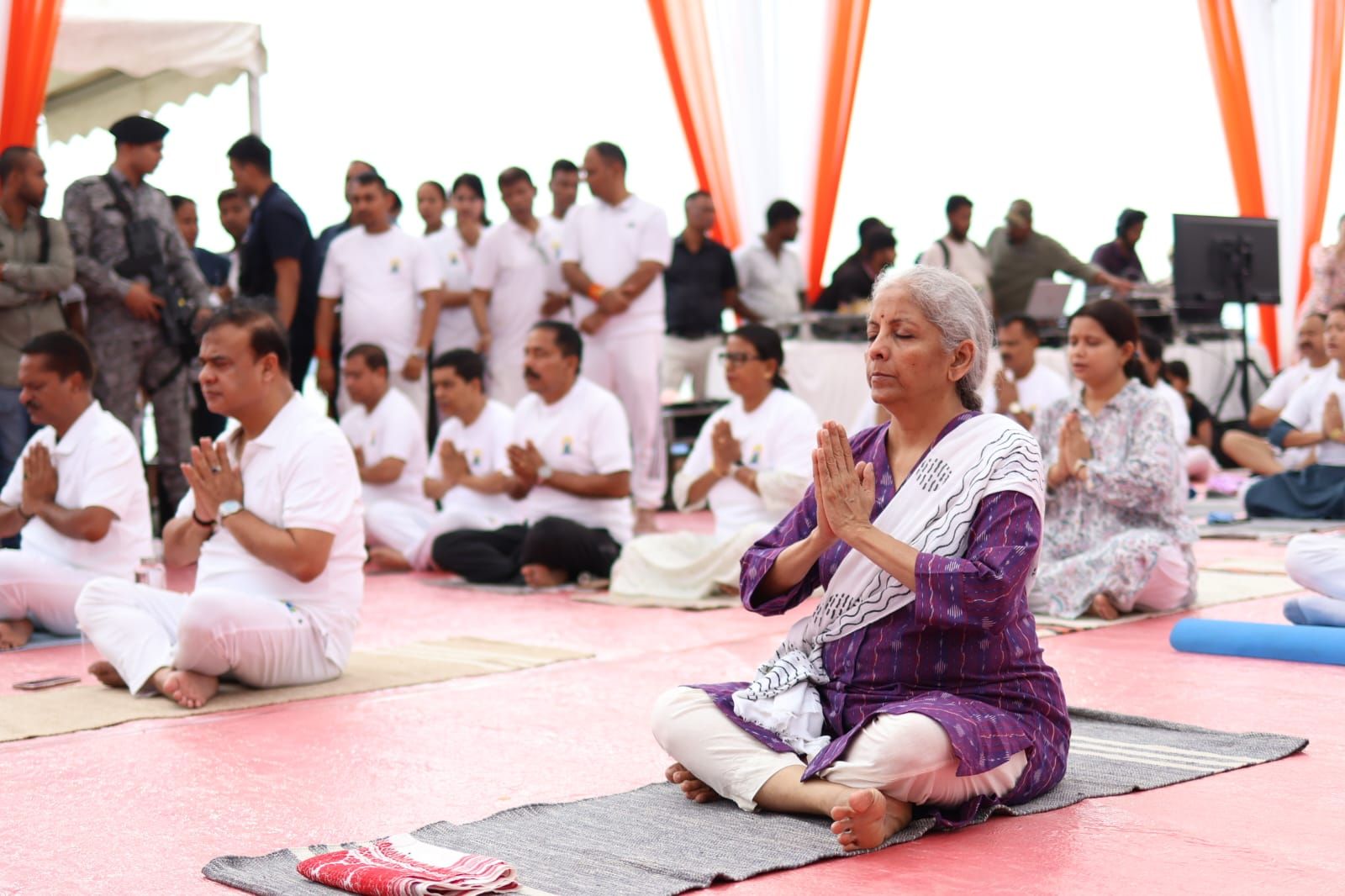
By Bhagirathi Jena As India celebrates the 12th International Day of Yoga on June 21, 2026, the theme Yoga for Healthy Ageing carries profound significance for a nation undergoing unprecedented demographic transformation. Since independence, India has evolved from a predominantly agrarian society into a rapidly modernising nation, bringing newer and more complex challenges. The world […]
Source: Orissa Post

AI News Q&A (Free Content)
Q1: What is the significance of the International Day of Yoga and how did it originate?
A1: The International Day of Yoga, celebrated on June 21st annually, was established by the United Nations in 2014 following a proposal by India's Prime Minister Narendra Modi. It aims to promote global awareness of the health benefits of Yoga, a practice that originated in ancient India. The first celebration took place in 2015 with widespread participation worldwide.
Q2: How does the 2026 theme 'Yoga for Healthy Ageing' align with global health priorities?
A2: The 2026 theme 'Yoga for Healthy Ageing' aligns with the World Health Organization's Decade of Healthy Aging initiative (2021–2030), which focuses on enhancing the quality of life for older adults. The theme underscores yoga's role in maintaining physical and mental wellness as populations age, promoting active and independent living globally.
Q3: What initiatives are being implemented in India to support healthy ageing through yoga?
A3: In India, initiatives like 'Yoga Samavesh' aim to make yoga accessible to underserved communities, including seniors. The government also promotes the 'Seniorcare Ageing Growth Engine' (SAGE), encouraging innovation in elder care solutions. These initiatives reflect a commitment to using yoga as a preventive healthcare measure for aging populations.
Q4: What role does yoga play in the global silver economy, and how is it perceived as a solution for aging populations?
A4: Yoga is seen as a cost-effective and sustainable solution for supporting active aging, contributing to the growth of the silver economy, which caters to senior citizens' needs. The Indian market for senior-focused healthcare and wellness solutions is projected to grow significantly, highlighting yoga's role in promoting a wellness-oriented lifestyle among older adults.
Q5: What does recent scientific research suggest about the benefits of yoga for senior health?
A5: Recent scientific studies indicate that regular yoga practice can significantly enhance senior health by improving physical fitness, mental clarity, and emotional stability. Yoga is increasingly recognized as an effective tool for addressing age-related health challenges, helping maintain harmony in physical, mental, emotional, and social well-being.
Q6: What are some of the specific yoga practices recommended for seniors to enhance their health and well-being?
A6: For seniors, practices such as chair yoga sessions and low-impact yoga routines are recommended. These practices are designed to maintain independence, improve social engagement, and enhance overall physical and mental health. Such inclusive practices are part of broader community wellness programs aimed at supporting senior citizens.
Q7: How has the participation and global recognition of the International Day of Yoga evolved since its inception?
A7: Since its inception in 2015, the International Day of Yoga has grown significantly in participation and recognition. From an initial gathering of 35,985 participants, it expanded to involve over 24.53 crore participants worldwide by 2024, with events held in over 191 countries. The day has evolved into a global movement promoting health, harmony, and well-being through yoga.