Summary
Blueberries are more likely to become mouldy when stored in a plastic container from the supermarket
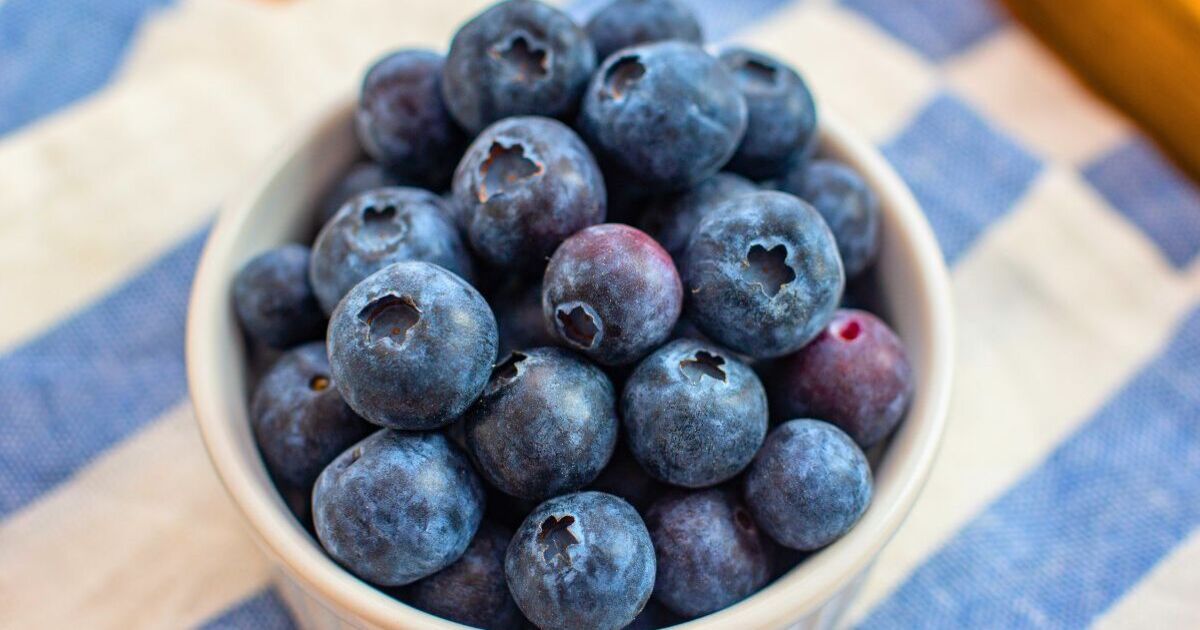
Blueberry season begins in May, and more people will be purchasing these juicy berries for healthy breakfasts, outdoor picnics, or even homemade desserts. They tend to become more affordable at this…
Source: Daily Express

AI News Q&A (Free Content)
Q1: What are some effective methods to store blueberries to ensure they remain fresh longer?
A1: To keep blueberries fresh for an extended period, it's recommended to store them in the refrigerator, either in their original packaging or in a container lined with paper towels to absorb excess moisture. Avoid washing blueberries until you're ready to consume them to prevent mold growth. For long-term storage, blueberries can be frozen by first spreading them in a single layer on a baking sheet, then transferring them to a sealed container once frozen.
Q2: What innovative packaging materials have been researched to enhance the shelf life of blueberries?
A2: Recent studies have explored the use of electrospun poly(vinylpyrrolidone) mats incorporating natural antibacterial extracts and citric acid as alternative packaging materials. These mats have shown promise in managing moisture and maintaining the visual quality of blueberries by reducing wrinkling and dehydration, thereby potentially extending their shelf life.
Q3: How does the use of vinegar in blueberry storage help in prolonging their freshness?
A3: A vinegar and water solution is effective in killing mold spores on blueberries, which can extend their freshness. After giving blueberries a quick bath in this solution, they should be dried and stored in a container lined with paper towels. This method can help blueberries last up to 10 days.
Q4: What are some common mistakes people make when storing blueberries that could shorten their shelf life?
A4: Common mistakes include storing blueberries in airtight containers, which trap moisture and promote mold growth, and washing them before storing, which accelerates spoilage. It's also important to remove any spoiled blueberries from the batch to prevent them from affecting the rest.
Q5: What are the nutritional benefits of consuming blueberries regularly?
A5: Blueberries are rich in antioxidants, particularly anthocyanins, which are linked to numerous health benefits such as reduced inflammation, improved heart health, and better brain function. They are also a good source of vitamin C, vitamin K, and fiber.
Q6: How do different types of packaging affect the shelf life of blueberries?
A6: Conventional packaging like plastic clamshells minimizes weight loss but may trap moisture, leading to spoilage. In contrast, innovative packaging materials like electrospun mats can allow better air circulation and moisture control, potentially preserving the blueberries' appearance and extending their shelf life.
Q7: What are the environmental benefits of using sustainable packaging materials for blueberries?
A7: Sustainable packaging materials, such as those made from natural extracts and biodegradable polymers, reduce plastic waste and lower the environmental impact of packaging. They can also help maintain the quality of blueberries without the adverse effects of chemical leaching associated with traditional plastics.
References:
- Cultivated blueberries - https://en.wikipedia.org/wiki/Cultivated_blueberries
- Electrospun Poly(vinylpyrrolidone)/ L. Mats for the Protection of Fresh Berries Against Spoilage.