Summary
Introduction
Metabolic adaptations to weight loss
Hormonal drivers of appetite and energy balance
Neurobiological and central regulation
Adipose tissue biology and memory
Set-point and energy homeostasis theories
Gut hormones and microbiome
Implications for weight management
References
Furt…
Source: News-Medical

AI News Q&A (Free Content)
Q1: What are the metabolic adaptations that occur after weight loss, and how do they contribute to weight regain?
A1: Metabolic adaptations after weight loss include changes in resting metabolic rate and energy expenditure. These adaptations can lead to weight regain by reducing the body's energy needs, making it easier to regain weight when caloric intake increases. The body may also increase its efficiency in storing fat, further contributing to weight regain.
Q2: How do hormonal changes influence appetite and energy balance during and after dieting?
A2: Hormonal changes, particularly in hormones like leptin and ghrelin, play a significant role in regulating appetite and energy balance. During dieting, levels of leptin decrease, reducing satiety, while ghrelin levels increase, stimulating hunger. These hormonal shifts can make it challenging to maintain weight loss as the body seeks to restore energy balance.
Q3: What role does neurobiological and central regulation play in appetite control?
A3: Neurobiological regulation involves the central nervous system, particularly brain areas like the hypothalamus, which processes signals related to hunger and satiety. Neurotransmitters and hormones interact in these brain regions to regulate food intake and energy expenditure, influencing overall appetite control.
Q4: How does adipose tissue memory affect long-term weight management?
A4: Adipose tissue has a 'memory' of past obesity, which can influence future weight management. Even after weight loss, adipose tissue retains cellular and molecular changes that predispose individuals to regain weight. This memory effect can make it difficult to maintain weight loss, as the body may revert to previous patterns of energy storage.
Q5: What are the key theories behind set-point and energy homeostasis in weight regulation?
A5: The set-point theory suggests that the body has a predetermined weight range that it defends through regulatory mechanisms. Energy homeostasis involves balancing energy intake and expenditure to maintain this set-point. Factors like metabolism, hormonal signals, and environmental influences can affect how tightly the body regulates its weight around the set-point.
Q6: What is the impact of gut hormones and the microbiome on weight management?
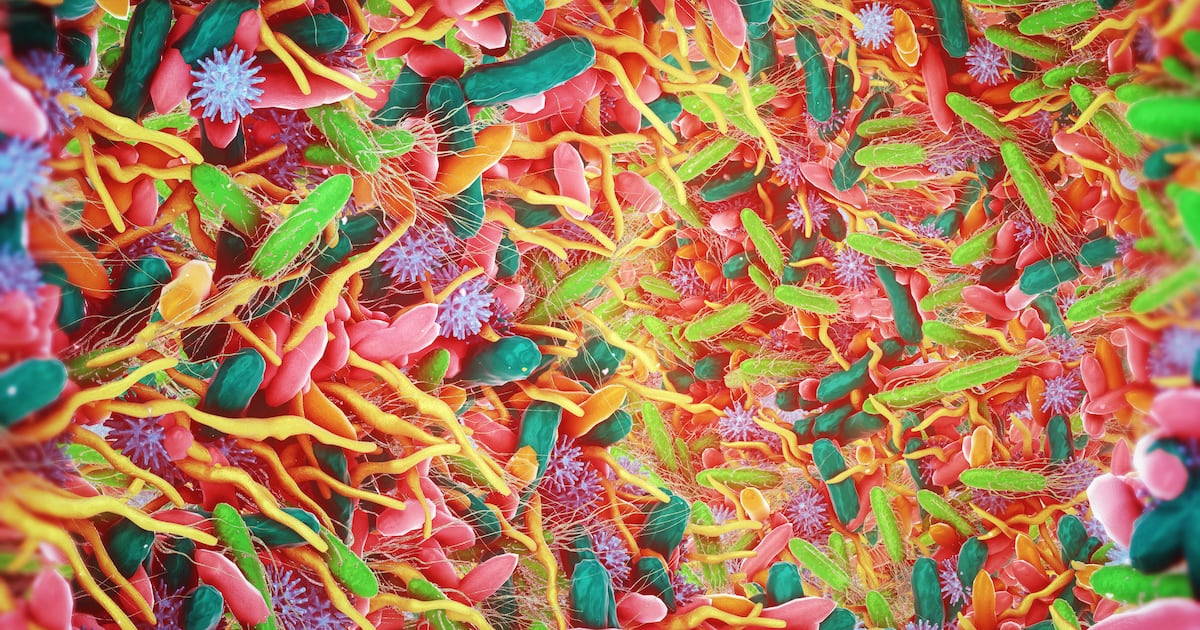
A6: Gut hormones such as GLP-1 and PYY play crucial roles in regulating appetite and satiety. The gut microbiome also influences weight management by affecting digestion, metabolism, and the immune system. Alterations in gut flora can impact the production of these hormones, thus affecting weight regulation.
Q7: How can understanding these biological processes inform strategies for effective weight management?
A7: Understanding the biological processes involved in weight regulation can help develop personalized weight management strategies. By targeting specific pathways, such as hormonal regulation or microbiome composition, interventions can be tailored to improve long-term weight loss maintenance and reduce the likelihood of weight regain.
References:
- Bariatric surgery - Wikipedia
- Obesogens: a unifying theory for the global rise in obesity - Nature
- Set point theory - Healthline
- Gut microbiome and weight management - PubMed
- Adipose tissue retains an epigenetic memory of obesity after weight loss - Nature
- Set-point theory and homeostasis - NCBI
- Obesity, Bariatric Surgery, and Cancer Risk: Nutritional Perspectives and Long-Term Clinical Implications - PubMed Central