
Summary
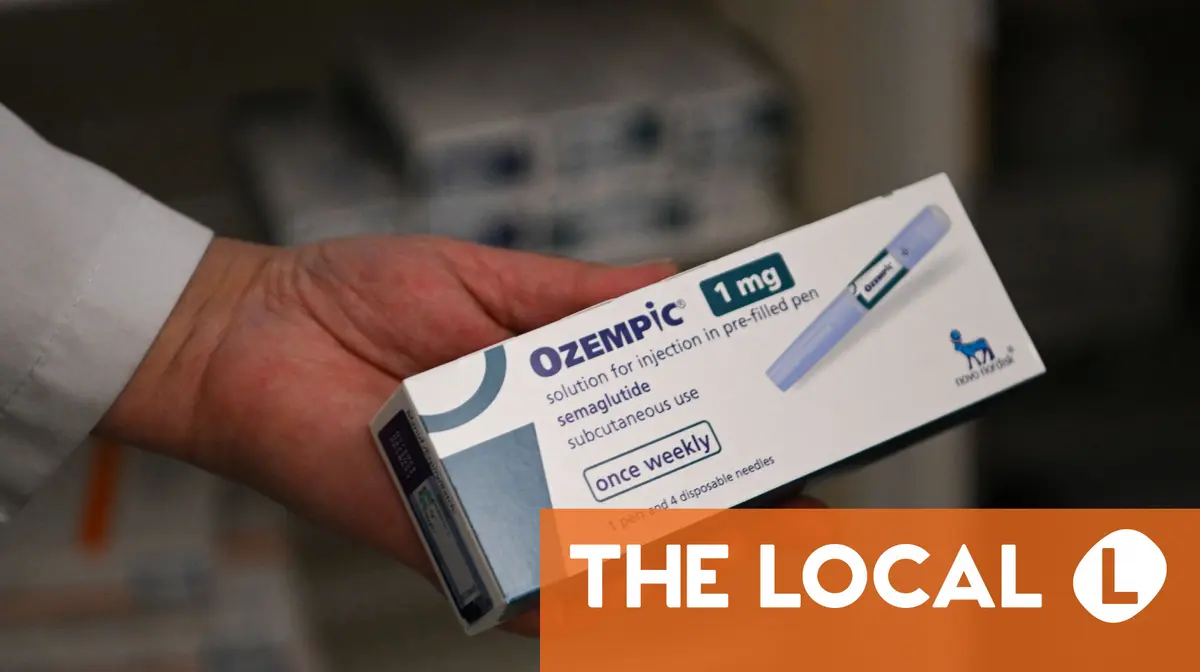
Ozempic has rapidly become one of the worlds most talkedabout weightloss drugs but can people in Germany get it without a prescription, and what ar…
Source: feeds.thelocal.com

AI News Q&A (Free Content)
Q1: What are the legal requirements to get a prescription for Ozempic in Germany?
A1: In Germany, Ozempic is primarily approved for managing type 2 diabetes, not specifically for weight loss. To receive a prescription, a patient generally needs a diagnosis of obesity or related health issues such as type 2 diabetes. The drug is prescribed alongside diet and exercise, especially for adults with a BMI of 30 or higher, or a BMI of 27 or greater with at least one weight-related medical condition.
Q2: How does Ozempic work for weight loss, and is it approved for this use in Germany?
A2: Ozempic contains semaglutide, a GLP-1 receptor agonist, which mimics a natural hormone that helps regulate blood sugar and appetite. While it's not officially approved as a weight loss medication in Germany, it can lead to weight loss as a side effect by reducing hunger signals and slowing stomach emptying. Therefore, it's sometimes prescribed off-label for weight management.
Q3: What are some potential side effects of using Ozempic for weight loss?
A3: Common side effects of Ozempic include nausea, vomiting, diarrhea, abdominal pain, and constipation. There's also emerging evidence suggesting a potential link between GLP-1 receptor agonists like Ozempic and hair loss, although causality hasn't been established yet.
Q4: Are there any supply issues with Ozempic in Germany?
A4: Yes, there have been reports of supply shortages in Germany, as the demand for Ozempic has surged due to its weight loss effects. This has led to discussions about potentially banning its export to manage domestic shortages.
Q5: How is the introduction of Wegovy in Germany affecting the use of Ozempic?
A5: Wegovy, which also contains semaglutide but at a different dosage, has been introduced in Germany specifically for weight management. This introduction has sparked debate over the healthcare system's approach to obesity, often considered a lifestyle choice rather than a chronic disease.
Q6: What has been the impact of Ozempic's popularity on Novo Nordisk's production capabilities?
A6: Novo Nordisk is ramping up production to meet the high demand for Ozempic, especially in the U.S., where prices can reach $1,350 per month. Despite significant investments in expanding manufacturing capacity, they continue to face challenges in keeping up with the demand.
Q7: What are some alternatives to Ozempic for weight loss in Germany?
A7: While Ozempic is popular, it's not the only option. Alternatives that may be more suitable include Wegovy and other medications approved specifically for weight management. Patients should consult healthcare providers to explore various options that fit their health needs.