Summary
Discover how wellness architecture is transforming workplaces by enhancing employee well-being, productivity, and overall job satisfaction.
Source: thehindu.com

AI News Q&A (Free Content)
Q1: How is wellness architecture redefining the modern workplace environment?
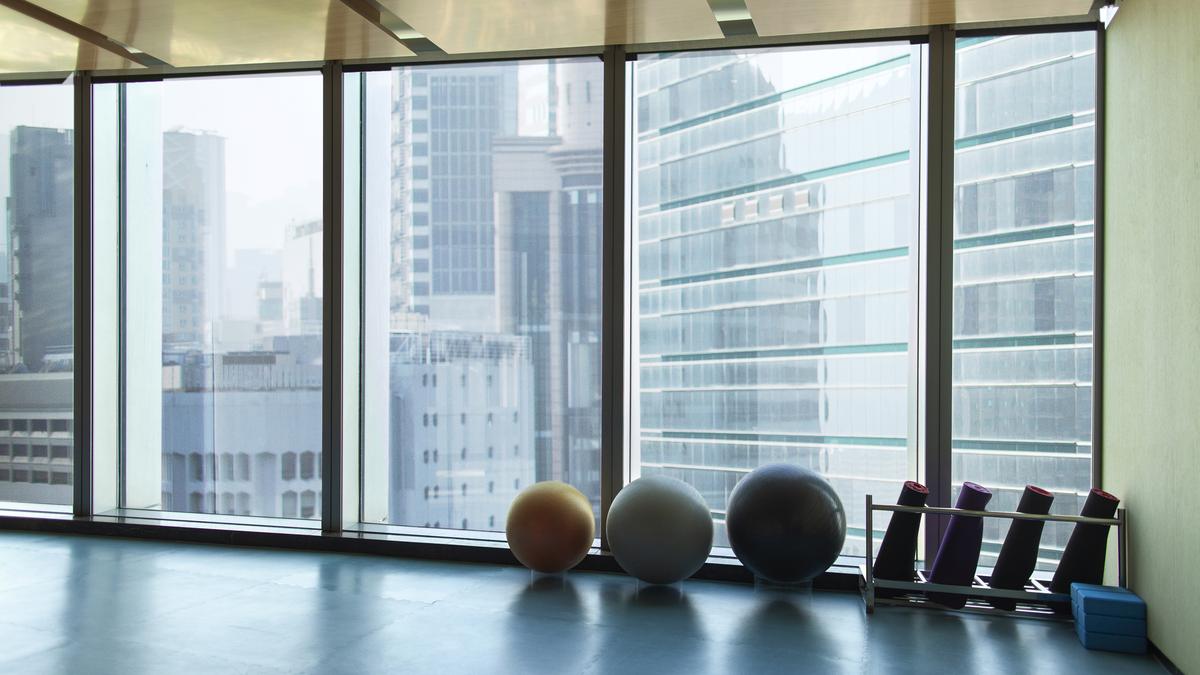
A1: Wellness architecture is reshaping modern workspaces by integrating elements that promote employee health and well-being. This includes designing spaces that maximize natural light, incorporate biophilic design elements like plants and water features, ensure good air quality, and provide areas for physical activity and relaxation. These features aim to improve employee productivity, reduce stress, and enhance overall job satisfaction.
Q2: What are the key components of wellness architecture in workplaces?
A2: Key components of wellness architecture in workplaces include ergonomic furniture, adjustable lighting, noise reduction materials, access to outdoor spaces, and facilities for physical activities. Additionally, the use of sustainable materials and designs that foster community and collaboration are crucial. These components collectively contribute to creating a supportive and health-focused work environment.
Q3: How does wellness architecture impact employee productivity and satisfaction?
A3: Wellness architecture positively impacts employee productivity and satisfaction by creating a healthier and more comfortable work environment. Studies have shown that natural light and access to nature can reduce stress and increase focus. Ergonomic designs minimize physical discomfort, leading to fewer health issues and reduced absenteeism. Overall, these factors contribute to higher employee morale and engagement.
Q4: What recent scholarly research highlights the benefits of wellness architecture in workplaces?
A4: Recent scholarly research underscores the benefits of wellness architecture in enhancing cognitive performance and reducing stress levels. For instance, studies have shown that workplaces designed with wellness principles see improved employee cognitive function and mental health, ultimately leading to increased productivity and job satisfaction.
Q5: What challenges do companies face when implementing wellness architecture in existing buildings?
A5: Companies face several challenges when implementing wellness architecture in existing buildings, including structural limitations, budget constraints, and the need to balance aesthetic enhancements with functional requirements. Retrofitting older buildings to include features like improved ventilation, natural light, and ergonomic spaces can be complex and costly, requiring careful planning and phased implementations.
Q6: How are global design firms contributing to the advancement of wellness architecture?
A6: Global design firms like Gensler and Corgan are at the forefront of advancing wellness architecture by developing innovative design strategies that prioritize health and sustainability. These firms are incorporating cutting-edge technologies and sustainable materials to create environments that promote well-being. Their projects often serve as benchmarks for best practices in workplace design.
Q7: What are the future trends in wellness architecture for workplaces?
A7: Future trends in wellness architecture for workplaces include the increased use of smart building technologies to monitor and improve indoor environmental quality, personalized workspaces tailored to individual health needs, and the integration of virtual and augmented reality to enhance the work environment. As awareness of mental health grows, designs that support psychological well-being will become more prevalent.
References:
- Gensler - Wikipedia
- Corgan (company) - Wikipedia
- Architectural Implications of Graph Neural Networks - Arxiv