
Summary
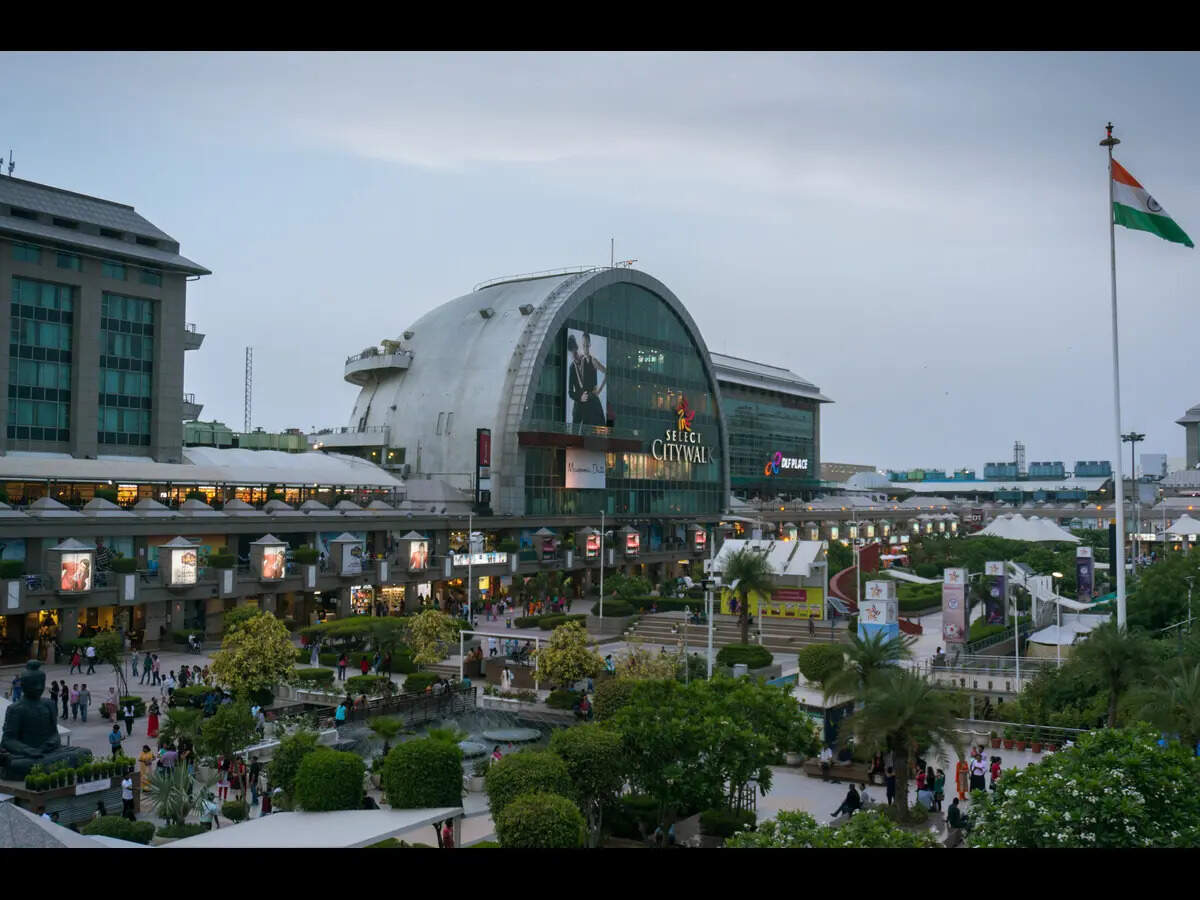
Annual rental yields in Grade A and A+ retail malls in Delhi NCR and Mumbai appreciated by up to 20%; Heres what mall investors need to know
Source: economictimes.indiatimes.com

AI News Q&A (Free Content)
Q1: What factors contributed to the 20% appreciation in rental yields in Grade A and A+ malls in Delhi NCR and Mumbai?
A1: The rental appreciation in Grade A and A+ malls in Delhi NCR and Mumbai can be attributed to a combination of increased consumer footfall, strategic location advantages, and a rise in demand for premium retail spaces. These factors have led to a competitive market where high-quality retail spaces are in demand, driving up rental yields by up to 20%.
Q2: How do shopping malls like the DLF Mall of India in Delhi NCR impact the retail economy?
A2: Shopping malls like the DLF Mall of India significantly boost the retail economy by attracting numerous brands and consumers, creating jobs, and fostering a vibrant commercial environment. The presence of international and domestic brands, entertainment zones, and diverse dining options draws in large crowds, which in turn stimulates economic activity in the region.
Q3: What are the implications of rental appreciation for retail commercial property investors in major cities like Delhi NCR and Mumbai?
A3: For retail commercial property investors, rental appreciation implies higher returns on investment and a profitable real estate portfolio. However, it also means increased initial investment and potential competition in acquiring premium spaces. Investors need to carefully assess market trends and consumer behavior to maximize their returns.
Q4: What role does consumer behavior play in the rental dynamics of malls in metropolitan cities?
A4: Consumer behavior significantly influences rental dynamics; increased spending power and preference for in-person shopping experiences boost demand for retail spaces. As consumers seek diverse shopping and entertainment options, malls that offer a comprehensive experience are likely to see higher footfall, thus increasing rental values.
Q5: How does the architectural design of malls like the DLF Mall of India attract tenants and consumers?
A5: The architectural design of malls like the DLF Mall of India plays a crucial role in attracting both tenants and consumers by offering a visually appealing and functional space. Features such as customized shopping zones, spacious layouts, and modern amenities enhance the shopping experience, making it an attractive destination for both retailers and shoppers.
Q6: What challenges do mall developers face in maintaining high rental yields in competitive markets like Delhi NCR and Mumbai?
A6: Mall developers face challenges such as high construction costs, fluctuating consumer trends, and the need for continuous innovation to maintain high rental yields. Additionally, economic downturns and shifts in consumer preferences towards online shopping can impact footfall and rental rates, requiring developers to adapt and diversify their offerings.
Q7: How does the development of new malls impact existing retail spaces in cities like Delhi NCR?
A7: The development of new malls can lead to increased competition, potentially drawing consumers away from older retail spaces. However, it can also stimulate the overall retail market by attracting more visitors to the area, leading to a rise in retail spending. Existing malls may need to innovate and upgrade their facilities to retain their customer base.
References:
- Mall of India