Summary
By continuing to browse our site you agree to our Privacy Statement
Source: nutritioninsight.com

AI News Q&A (Free Content)
Q1: What are polyphenols and how do they contribute to reducing inflammaging in older adults?
A1: Polyphenols are naturally occurring compounds found in plants, known for their antioxidant properties. They contribute to reducing inflammaging, which is chronic low-grade inflammation associated with aging, by modulating the gut microbiota and enhancing the intestinal barrier function. This, in turn, reduces the translocation of inflammogenic bacterial factors into the bloodstream, thereby lowering inflammation levels.
Q2: What does the MaPLE randomized controlled trial aim to investigate regarding polyphenol-rich diets?
A2: The MaPLE randomized controlled trial is designed to investigate the effects of a polyphenol-rich dietary pattern on intestinal permeability, gut and blood microbiomics, in older adults. The study involves an 8-week intervention with polyphenol-rich foods, aiming to evaluate markers related to intestinal permeability, inflammation, and other health indicators.
Q3: How does the study on nutrient-adequate diets relate to polyphenol-rich diets for older adults?
A3: The study on nutrient-adequate diets highlights the importance of access to healthy diets, which includes polyphenol-rich foods. Polyphenol-rich diets are considered nutrient-dense and can be part of a strategy to ensure nutrient adequacy, especially in older adults, by providing antioxidant benefits and enhancing gut health, which are crucial for healthy aging.
Q4: What are the potential health benefits of polyphenol-rich diets on gut health in seniors?
A4: Polyphenol-rich diets can enhance gut health in seniors by improving the composition of the gut microbiota, strengthening the intestinal barrier, and reducing intestinal permeability. These changes decrease the risk of inflammaging and related age-associated diseases by limiting harmful bacterial translocation and systemic inflammation.
Q5: What are some examples of polyphenol-rich foods and their role in diet?
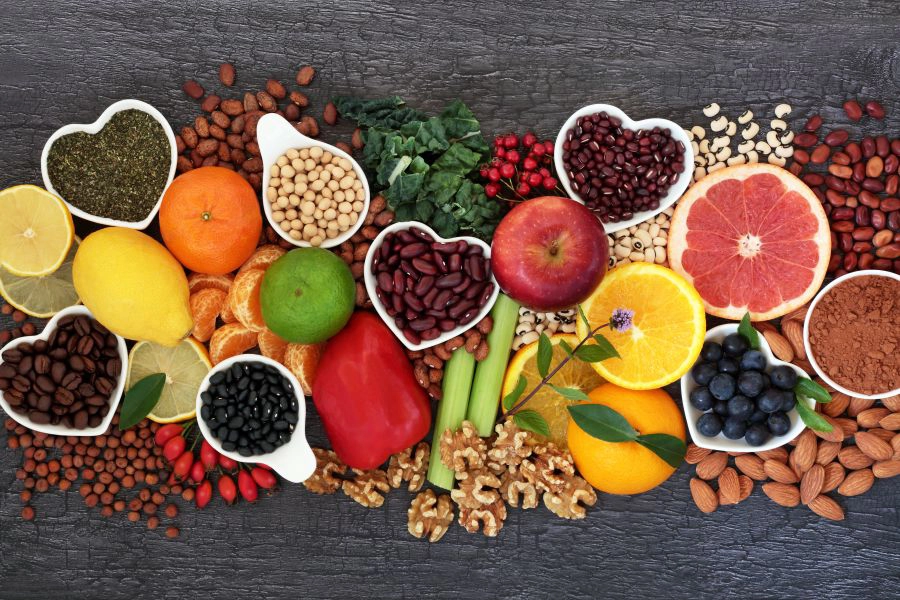
A5: Polyphenol-rich foods include fruits such as berries, apples, and grapes, as well as vegetables like spinach and onions. Beverages like tea and coffee, and dark chocolate are also rich in polyphenols. These foods play a role in the diet by providing antioxidants, reducing inflammation, and supporting overall health, particularly beneficial for aging populations.
Q6: How does the concept of life extension relate to polyphenol-rich diets?
A6: Life extension involves extending human lifespan through various means, including diet. Polyphenol-rich diets are associated with life extension as they promote health by reducing chronic inflammation and enhancing gut health, which are critical components in preventing age-related diseases and potentially extending healthy years of life.
Q7: What are the limitations of current research on polyphenol-rich diets and aging?
A7: Current research on polyphenol-rich diets and aging is limited by factors such as short study durations, small sample sizes, and variability in polyphenol content in foods. More extensive, long-term studies are needed to conclusively determine the impact of these diets on aging and inflammaging.
References:
- Life extension
- Effect of a polyphenol-rich dietary pattern on intestinal permeability and gut and blood microbiomics in older subjects: study protocol of the MaPLE randomised controlled trial.
- Assessing the Affordability of Nutrient-Adequate Diets