
Summary
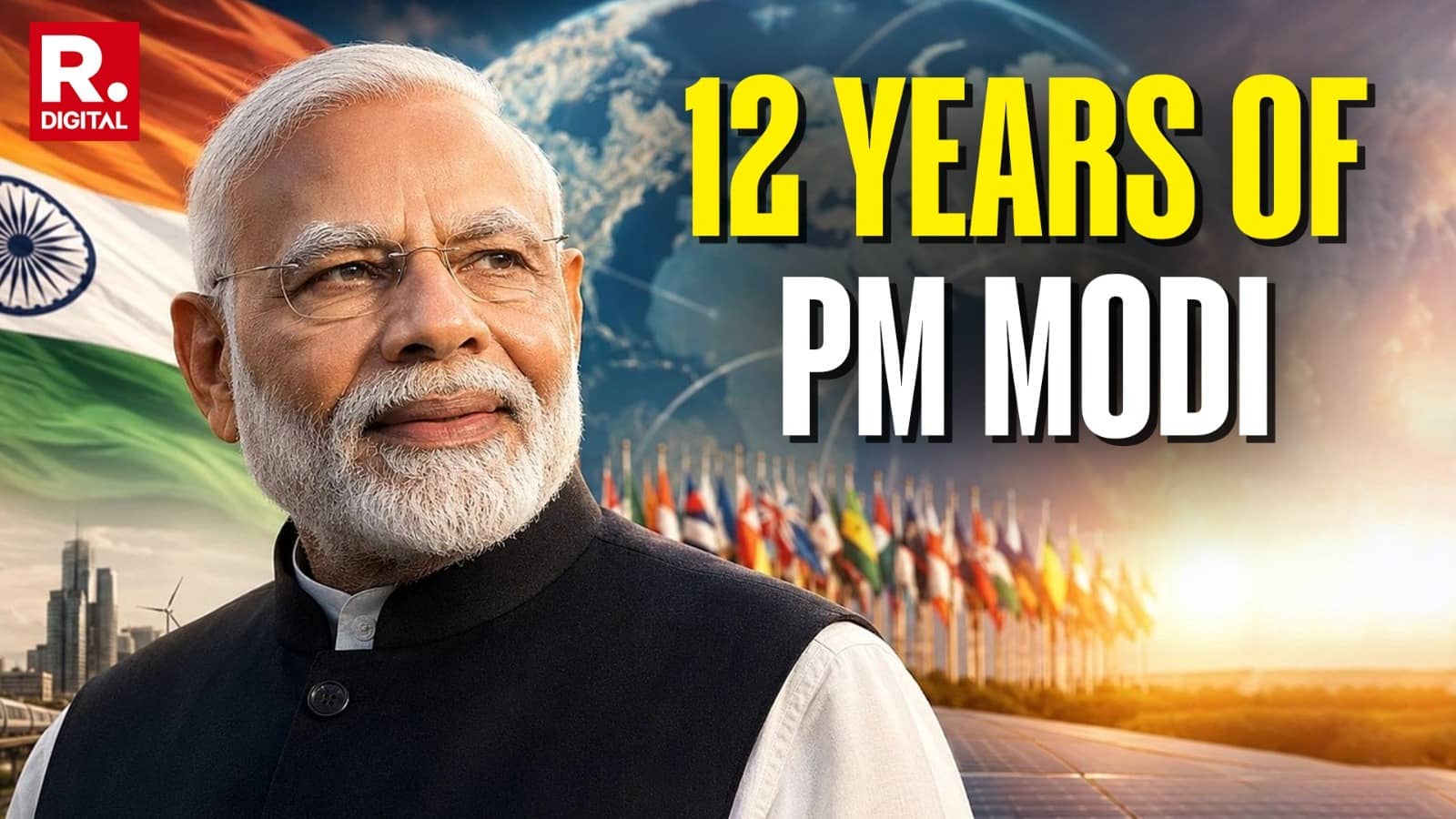
Prime Minister Narendra Modi has become Indias longest-serving elected PM with 4,399 consecutive days in office, surpassing Nehrus record. Since May 26, 2014, he has achieved significant electoral victories in 2019 and 2024.
Source: Republic World

AI News Q&A (Free Content)
Q1: What are the key milestones in Narendra Modi's tenure that contributed to him becoming India's longest-serving Prime Minister?
A1: Narendra Modi became India's longest-serving Prime Minister by achieving significant electoral victories and implementing transformative policies. He first came into office on May 26, 2014, and has since led the Bharatiya Janata Party (BJP) to three consecutive general election victories in 2014, 2019, and 2024. His tenure is marked by economic growth, digital revolution, and infrastructure expansion. Modi's administration also introduced controversial measures like demonetization and the revocation of Jammu and Kashmir's special status, which have been pivotal in shaping his legacy.
Q2: How did Narendra Modi's leadership style impact India's political landscape over his terms as Prime Minister?
A2: Modi's leadership style has significantly influenced India's political landscape by consolidating power within the BJP and shifting Indian politics towards right-wing nationalism. His tenure has been characterized by strong central governance, economic reforms, and a focus on national security. However, it has also led to democratic backsliding, with criticisms over handling of religious tensions and curtailments on freedom of expression. This dual impact has redefined political dynamics, with Modi maintaining high approval ratings despite controversies.
Q3: What were the major challenges and criticisms faced by Narendra Modi during his tenure as Prime Minister?
A3: During his tenure, Modi faced challenges such as handling the COVID-19 pandemic, which resulted in millions of deaths according to the WHO. His administration's demonetization policy and farm laws sparked widespread protests, leading to the eventual repeal of the farm laws. Criticisms also arose from his handling of religious tensions, particularly the 2002 Gujarat riots and the Citizenship Amendment Act, which prompted accusations of fostering a majoritarian and exclusionary agenda.
Q4: What scholarly perspectives exist on the longevity of political leadership as seen in Narendra Modi's tenure?
A4: Scholarly perspectives on political leadership longevity, including Modi's tenure, often examine the balance between charismatic authority and institutional governance. Research highlights the role of sustained political narratives and party dynamics in maintaining leadership positions. Scholars debate the effects of such long tenures on democratic institutions, with concerns about power centralization and reduced checks and balances potentially leading to democratic backsliding.
Q5: How did India's electoral dynamics change with Modi's back-to-back victories in 2019 and 2024?
A5: Modi's back-to-back victories in 2019 and 2024 altered India's electoral dynamics by reinforcing the BJP's dominance in national politics. His campaigns focused on economic development and national security resonated with voters, leading to a significant voter turnout. However, the 2024 election posed new challenges, with the BJP requiring coalition support due to a reduced majority, indicating a shift towards a more multiparty system and highlighting the resilience of opposition parties.
Q6: What technological and infrastructural advancements occurred in India under Modi's leadership?
A6: Under Modi's leadership, India witnessed substantial technological and infrastructural advancements. His government prioritized digital initiatives, such as promoting Digital India and expanding internet access. Infrastructure projects included the development of highways, power plants, and housing for low-income families. These efforts aimed to modernize India's economy, make the nation a global powerhouse, and improve connectivity, particularly in rural areas.
Q7: What are the implications of Modi's long tenure for future Indian political leadership?
A7: Modi's extended tenure sets a precedent for strong, centralized leadership, influencing future political strategies in India. His governance style emphasizes a blend of nationalism and development, which may inspire successors to adopt similar approaches. However, the challenges of maintaining democratic integrity and managing diverse societal needs pose significant hurdles for future leaders. Modi's tenure underscores the necessity for balancing governance with inclusivity and institutional checks.