Summary
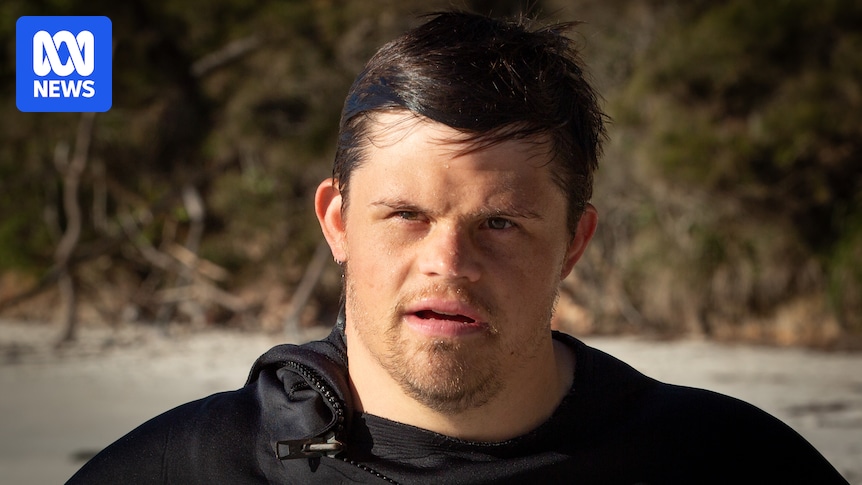
Sam Stubbss parents were asked about his quality of life while treating him for a lung infection. They realised it was because he was born with Down syndrome…
Source: abc.net.au

AI News Q&A (Free Content)
Q1: What are some common challenges faced by individuals with intellectual disabilities in accessing quality healthcare?
A1: Individuals with intellectual disabilities often face challenges such as healthcare providers' lack of proper training regarding disabilities, reliance on stereotypes, and assumptions about their quality of life. These factors can negatively impact the quality of care they receive. Additionally, systemic issues within healthcare systems, such as inaccessible facilities and inadequate communication, further hinder their access to quality healthcare.
Q2: How can training programs for medical professionals improve healthcare for people with intellectual disabilities?
A2: Training programs that focus on disability competence can improve healthcare for people with intellectual disabilities by enhancing medical professionals' understanding and attitudes towards disabilities. These programs often include direct experiences with individuals with disabilities, which can increase healthcare providers' comfort levels and improve their ability to provide patient-centered care. The inclusion of comprehensive disability content in medical curricula can also address existing knowledge gaps.
Q3: What initiatives exist to integrate disability content into medical training curricula?
A3: The National Inclusive Curriculum for Health Education Medical (NICHE-MED) is an initiative that partners with medical schools to integrate disability content into their curricula. This effort aims to improve the competency of healthcare professionals in providing care to individuals with disabilities by embedding disability-related topics across various medical education programs.
Q4: What is the role of the Kennedy Krieger Institute's Advanced Specialty Training Program in improving care for adults with Down syndrome and other neurological developmental disabilities?
A4: The Kennedy Krieger Institute's Advanced Specialty Training Program provides comprehensive medical and mental health care training for adults with Down syndrome and other neurological developmental disabilities. This program focuses on teaching trainees to evaluate, diagnose, manage, and plan care for these individuals, aiming to develop specialized clinical skills.
Q5: What are the documented benefits of contact-based disability training for healthcare providers?
A5: Contact-based disability training has been shown to improve healthcare providers' understanding of disabilities, enhance their attitudes, and increase disability literacy among medical students. Studies indicate that such training can reduce erroneous assumptions and promote a more inclusive and empathetic approach to patient care.
Q6: How does the Alliance for Disability in Health Care Education contribute to improving healthcare for people with disabilities?
A6: The Alliance for Disability in Health Care Education develops competencies for healthcare training curricula that can be adopted into public health programs. This initiative aims to prepare a healthcare workforce that is better equipped to meet the needs of individuals with disabilities by improving medical students' knowledge and attitudes through early and frequent interactions with disabled individuals.
Q7: What are the potential consequences of closing programs that train doctors to care for individuals with intellectual disabilities?
A7: Closing programs that train doctors to care for individuals with intellectual disabilities can lead to increased healthcare disparities for this population. Without proper training, healthcare providers may continue to rely on stereotypes or lack the necessary skills to provide quality care, resulting in substandard healthcare outcomes and perpetuating existing health inequities.