
Summary
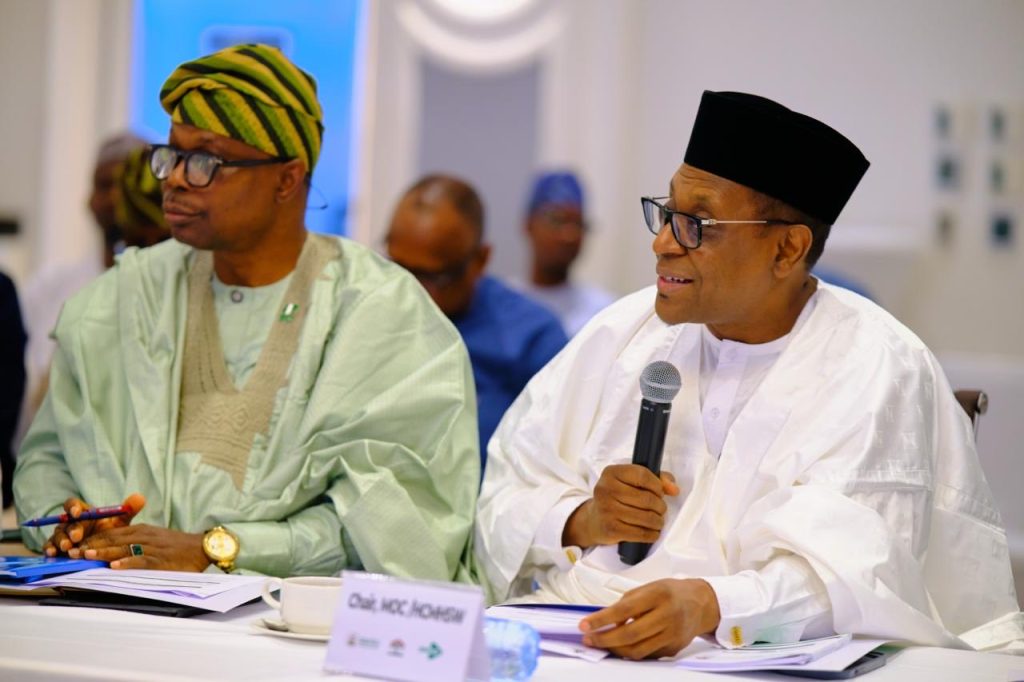
Nigerias health system has climbed to 4th in Africa while health insurance enrolment rose from 16 million to 22 million Nigerians in the last three years, the Federal Government said on Thursday. The Coordinating Minister of Health and Social Welfare, Prof. Muhammad Ali Pate, disclosed the gains after co-chairing the 15th Expanded Ministerial Oversight Committee […]
Source: The News Chronicle

AI News Q&A (Free Content)
Q1: What recent developments have contributed to the increase in health insurance enrollment in Nigeria from 16 million to 22 million?
A1: The rise in health insurance enrollment in Nigeria is attributed to strategic public-private partnerships, executive-level support, and digital platforms. The Lagos State's Ilera Eko plan, which leverages these elements, has been a model for expanding health insurance sustainably. Similar strategies are being adopted by other states to improve their health insurance frameworks.
Q2: How does Nigeria's health insurance system compare to other African countries?
A2: Nigeria ranks fourth in Africa for health insurance enrollment. However, the country still faces challenges such as low government investment in health services and a predominance of out-of-pocket health expenditures. Despite these challenges, Nigeria's health insurance has seen significant growth due to various state-level initiatives.
Q3: What are the main barriers to universal health insurance coverage in Nigeria?
A3: The primary barriers include insufficient government funding, high out-of-pocket expenditure, and a lack of awareness among the population about health insurance benefits. The government expenditure on health is only 5.03%, with most citizens paying directly for healthcare services.
Q4: What role does blockchain technology play in the health insurance sector in African countries?
A4: Blockchain technology has the potential to enhance health insurance systems by ensuring secure data sharing and protecting patient privacy. However, its adoption is still limited due to challenges such as perceived risk and complexity, as seen in the case of Egyptian public hospitals.
Q5: How has the COVID-19 pandemic impacted health insurance enrollment in Nigeria?
A5: The COVID-19 pandemic heightened awareness of the need for health insurance among Nigerians. This, coupled with efforts by state governments to expand coverage, has contributed to increased enrollment. However, challenges such as financial constraints and service accessibility remain.
Q6: What are the key socioeconomic factors influencing health insurance uptake in Nigeria?
A6: Socioeconomic factors influencing health insurance uptake include employment type, level of education, and income class. Employer-sponsored insurance is the most common, covering about 70% of insured individuals, followed by community-based and private insurance schemes.
Q7: What are the implications of out-of-pocket health expenditures for Nigerian households?
A7: High out-of-pocket expenditures can lead to financial hardship for Nigerian households, limiting access to necessary healthcare services. This can result in delayed treatment and poorer health outcomes, underscoring the need for broader health insurance coverage to protect families financially.