Summary
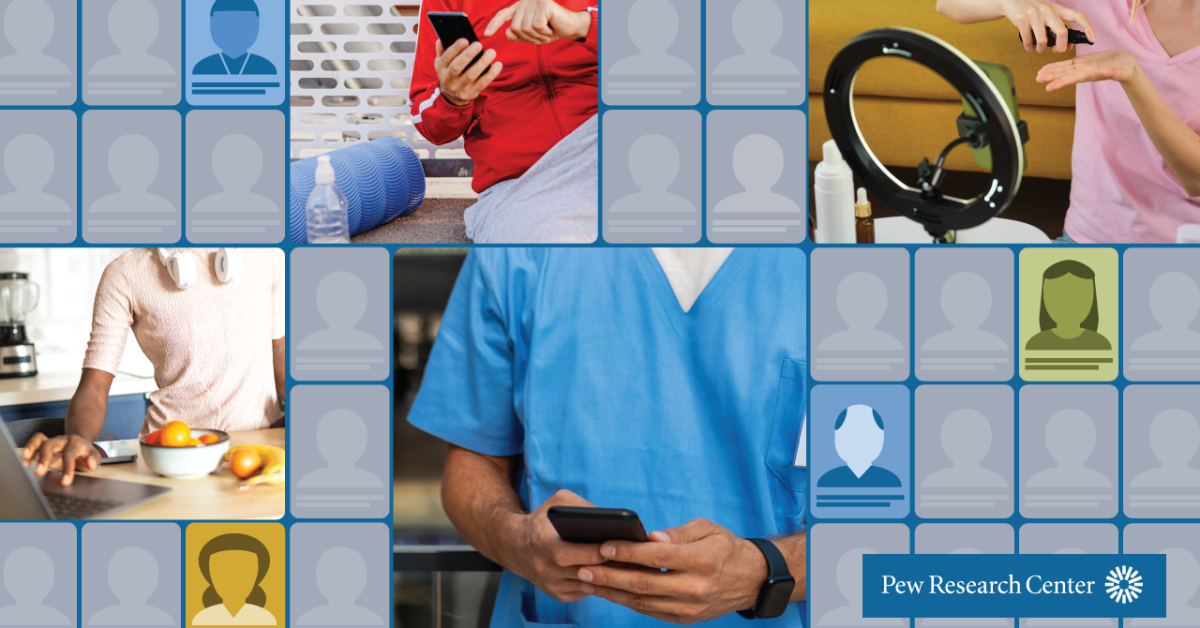
This report aims to gain an understanding of social media influencers who focus on health and wellness topics and the experience of U.S. adults who get such inf…
Source: pewresearch.org

AI News Q&A (Free Content)
Q1: What role do social media influencers play in promoting health and wellness among U.S. adults?
A1: Social media influencers are increasingly impacting the health and wellness industry by leveraging platforms like Instagram, TikTok, and YouTube to spread awareness and motivate healthier lifestyle choices among U.S. adults. These influencers often use relatable narratives and personal experiences to engage their audience, making wellness more accessible through digital means. According to a 2025 survey by Pew Research, adults under 50, as well as Black, Hispanic, and Asian Americans, are particularly likely to seek health information from these influencers.
Q2: How has the rise of AI fitness influencers changed the landscape of health and wellness on social media?
A2: AI fitness influencers have introduced a new dynamic to the health and wellness space on social media by providing personalized, evidence-based workout plans and dietary advice. These digital models use advanced algorithms to tailor content to individual needs, making fitness more accessible. Such influencers are poised to offer consistent and reliable information, drawing from scientific research and medical expertise, thus addressing criticisms faced by traditional fitness influencers.
Q3: What are the implications of influencer marketing for health behaviors according to recent scholarly research?
A3: Recent research highlights that influencer marketing on social media can significantly affect health behaviors. A study showed that exposure to high-follower influencers' tweets increased the odds of cigar and cannabis use among U.S. youth and young adults. This underscores the powerful influence that social media marketing can wield over public health behaviors.
Q4: What are the findings of recent studies on the opposition of wellness influencers to vaccines?
A4: A study by the University of Michigan found that wellness influencers showed higher rates of vaccine opposition on social media during the COVID-19 pandemic. This highlights the potential for wellness influencers to spread anti-vaccination sentiments, which can impact public health efforts.
Q5: What challenges do researchers face in using social media data for detecting stress and depression?
A5: Researchers face challenges in using social media data for detecting stress and depression due to the complex nature of digital communication. A study introduced multitask learning frameworks to improve early detection, but limitations persist. This includes handling the separation of stress and depression as distinct tasks, despite their interconnectedness, and managing the vast data variability across different platforms.
Q6: How do health and wellness influencers utilize different social media platforms to reach their audience?
A6: Health and wellness influencers predominantly use image and video-centric platforms like Instagram, TikTok, and YouTube to reach their audience. These platforms allow influencers to create engaging content that appeals to visual learners, thereby maximizing their impact. According to Pew Research, nearly all influencers have an account on Instagram, with many also active on TikTok and YouTube.
Q7: What strategies should brands employ when collaborating with health and wellness influencers?
A7: Brands should identify influencers who align with their values and can authentically promote their products. Allowing creative freedom in content creation is crucial to maintaining authenticity. Additionally, tracking campaign performance through analytics helps in adapting strategies for better return on investment. This approach ensures that influencer marketing is both effective and sustainable.
References:
- Published: 2026-04-18 Title: The role of social media influencer promotion in initiation and use of cigar, little cigar, cigarillo, and cannabis products among US youth and young adults: Using exogenous marketing exposure measures.