Summary
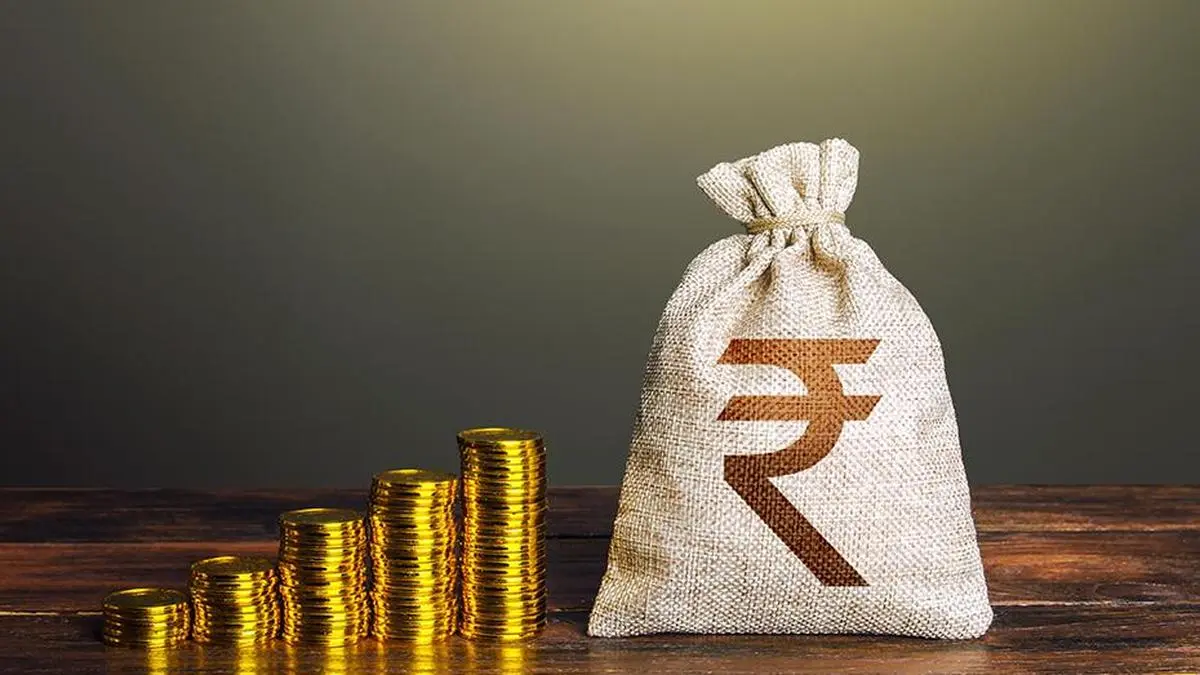
The Gurugram-based company plans to use the capital to expand facilities for extracting valuable materials from discarded electronics and batteries
Source: BusinessLine

AI News Q&A (Free Content)
Q1: What is the significance of Karo Sambhav's recent funding from Rainmatter in the context of e-waste recycling?
A1: Karo Sambhav, a cleantech startup, recently secured INR 56 crore from Rainmatter to expand its recycling infrastructure. This investment is pivotal for scaling the recovery of critical and high-value materials from e-waste. The company plans to enhance its facilities to extract valuable components from end-of-life electronics, aligning with circular economy principles to reduce environmental impact and improve resource efficiency.
Q2: How does Karo Sambhav's approach to e-waste management contribute to the circular economy?
A2: Karo Sambhav implements extended producer responsibility (EPR) programs, which emphasize the lifecycle management of products beyond their use. By collaborating with over 30 global brands, the company fosters sustainable practices by ensuring that e-waste is responsibly recycled and precious materials are recovered, thereby supporting the circular economy's goal of minimizing waste and optimizing resource use.
Q3: What are the potential environmental and economic impacts of scaling e-waste recycling in India?
A3: Scaling e-waste recycling in India could significantly reduce environmental pollution and health risks associated with informal recycling practices. Economically, it could create new jobs and stabilize the supply of critical materials for manufacturing, thus supporting sustainable industrial growth. As India is a major e-waste producer, effective recycling can also position the country as a leader in sustainable waste management.
Q4: What recent scholarly research supports the integration of circular economy principles in industrial practices?
A4: Recent studies, such as the one on intelligent metamaterials, suggest that incorporating circular economy principles can enhance product design and resource efficiency. These principles help reduce waste and improve sustainability by reconnecting the disposal phase to the manufacturing process, thus transforming traditional linear industrial models into more sustainable circular systems.
Q5: How do intelligent metamaterials contribute to the circular economy according to recent research?
A5: Intelligent metamaterials, which can adjust their properties through software commands, facilitate the circular economy by optimizing product designs. They allow for better resource management by reducing waste and improving the efficiency of electromagnetic, acoustic, and mechanical properties. This adaptability supports sustainable development and resource conservation.
Q6: What challenges does India face in managing its e-waste, and how is Karo Sambhav addressing these issues?
A6: India faces challenges like informal recycling, which poses health and environmental risks due to toxic pollutants. Karo Sambhav addresses these issues by establishing formal recycling channels in over 50 cities and implementing technology platforms for transparency and traceability, thus promoting responsible waste management and compliance with environmental standards.
Q7: How does Karo Sambhav's collaboration with global brands facilitate its mission in e-waste management?
A7: By partnering with global tech and FMCG brands such as Apple, Dell, and PepsiCo, Karo Sambhav leverages its expertise in EPR programs to manage e-waste effectively. This collaboration ensures that products are recycled responsibly, allowing for the recovery of critical materials while supporting the brands' sustainability commitments and enhancing their corporate social responsibility efforts.
References:
- Electronic waste in India
- Towards a Circular Economy via Intelligent Metamaterials
- Organizing Network Management Logic with Circular Economy Principles
- Rainmatter invests in Karo Sambhav to scale e-waste recycling
- Rainmatter by Zerodha invests INR 56 Cr in recycling firm Karo Sambhav