Summary
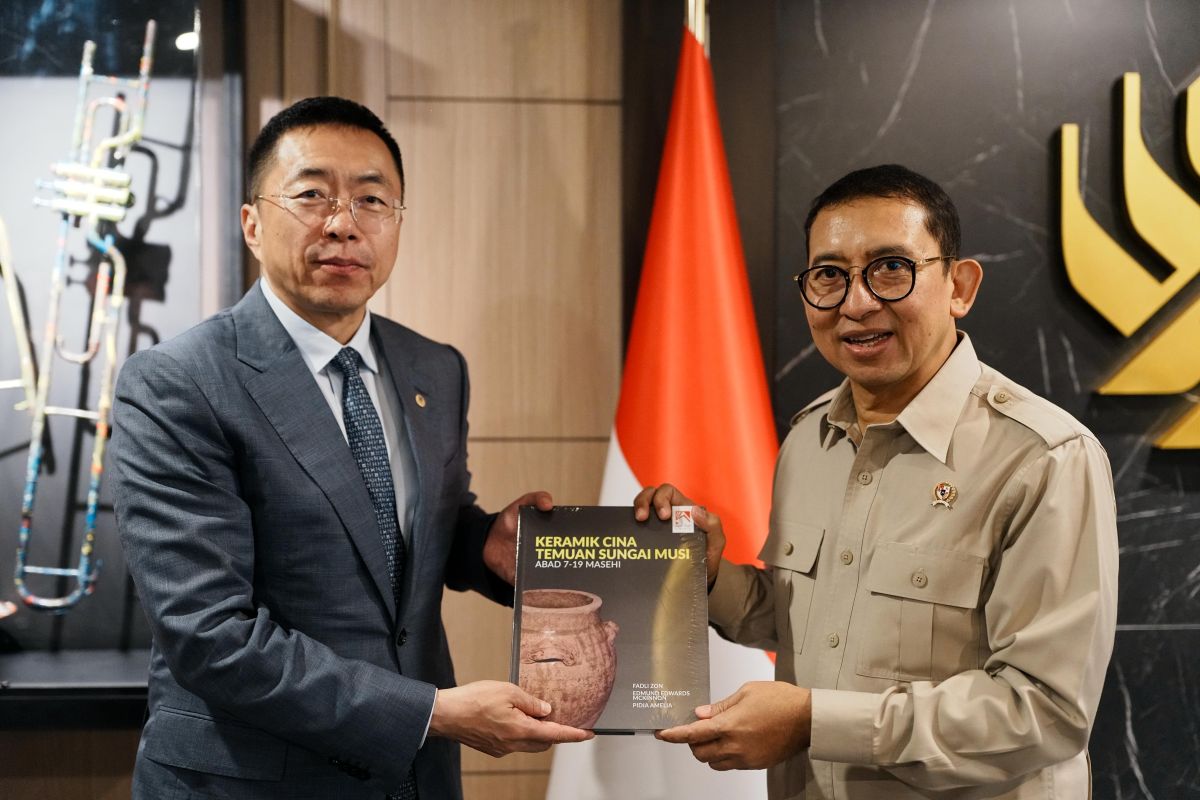
The Indonesian Ministry of Culture has explored potential cooperation with China State Construction International Holdings Limited (CSCI) to develop cultural …..
Source: en.antaranews.com

AI News Q&A (Free Content)
Q1: What is the significance of Indonesia exploring a partnership with China in traditional medicine?
A1: Indonesia's exploration of a partnership with China in traditional medicine is significant due to the historical ties and the potential for integrating traditional Chinese medicine (TCM) into Indonesia's healthcare system. This collaboration could enhance the availability of TCM products like Pien Tze Huang and Liushen Pills in Indonesia, which has already established a regulatory framework for traditional medicines since 2009. Such a partnership might also facilitate academic exchanges and the establishment of joint laboratories for research in traditional medicine, thereby strengthening ties within ASEAN countries.
Q2: How has traditional Chinese medicine (TCM) evolved over time, and what role does it play today?
A2: Traditional Chinese medicine (TCM) has evolved from a range of ancient Chinese practices, including herbal remedies and acupuncture, into a modern healthcare option promoted globally. Despite being labeled pseudoscientific by some due to a lack of robust scientific evidence, TCM is supported by the Chinese government and integrated into healthcare systems worldwide. It plays a role in promoting wellness and is marketed as a holistic alternative to Western medicine, although controversies regarding the toxicity of certain TCM ingredients persist.
Q3: What are the implications of integrating traditional medicine into national health systems, as discussed in global forums?
A3: Integrating traditional medicine into national health systems, as highlighted in global forums such as the G20, aims to optimize healthcare delivery by embracing diverse medical practices. This integration supports universal health coverage and sustainable development goals. Countries like China and Indonesia have successfully incorporated traditional medicine into their health systems, preserving indigenous knowledge while enhancing healthcare accessibility and diversity.
Q4: What challenges are associated with the regulation and safety of TCM products in international markets?
A4: Regulating TCM products in international markets presents challenges due to discrepancies in safety standards and efficacy evidence. Some TCM ingredients are known to be toxic and pose health risks, necessitating stringent testing and regulation. Additionally, the integration of TCM with Western medicine involves balancing traditional practices with scientific scrutiny to ensure consumer safety and product efficacy.
Q5: How is the traditional medicine partnership between China and ASEAN countries expected to influence regional healthcare systems?
A5: The partnership between China and ASEAN countries in traditional medicine is expected to foster regional healthcare development by facilitating regular exchanges, academic collaborations, and trade in traditional medical services. Establishing joint laboratories and centers for traditional medicine research can enhance knowledge sharing and innovation, ultimately improving healthcare outcomes and access in the region.
Q6: What is the historical context of Chinese influence on traditional medicine in Indonesia?
A6: Chinese influence on traditional medicine in Indonesia dates back to the Tang Dynasty, when Chinese immigrants introduced traditional practices. Over time, these practices became integrated into Indonesian culture, contributing to the diversity of its traditional medicine. The legal recognition of Chinese medicine in Indonesia and the establishment of regulatory frameworks underscore the historical and ongoing influence of Chinese medical practices in the country.
Q7: What role does public perception play in the acceptance and integration of TCM globally?
A7: Public perception significantly influences the acceptance and integration of TCM globally. While TCM is promoted as a holistic alternative to Western medicine, skepticism arises due to concerns about scientific validation and ingredient safety. Public acceptance is bolstered by endorsements from political leaders and cultural familiarity, but it also requires transparent regulation and evidence-based practices to gain widespread trust.