
Summary
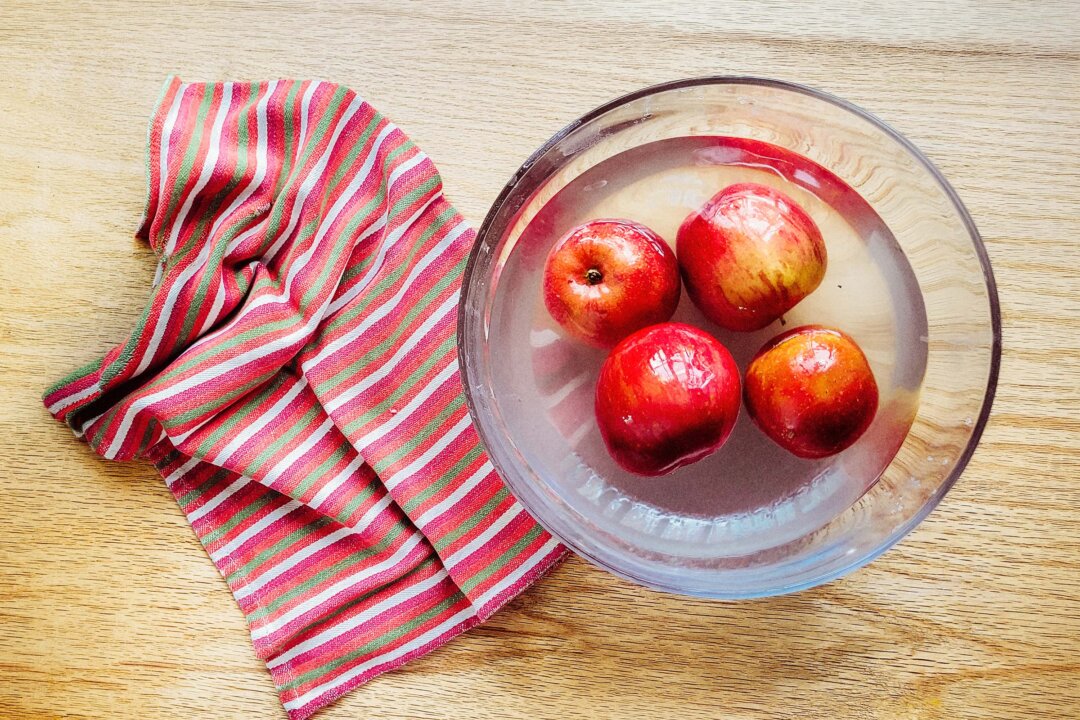
A two-step produce wash using common household ingredients can help reduce chemical residues on fruits and vegetables.
Source: The Epoch Times

AI News Q&A (Free Content)
Q1: What are the common ingredients used in a DIY produce wash and how do they work to reduce chemical residues on fruits and vegetables?
A1: A DIY produce wash typically uses ingredients like vinegar, water, and fresh lemon juice. Vinegar is effective in reducing pesticides and bacteria, while lemon juice acts as an antimicrobial agent. When combined, these ingredients help wash away dirt, bacteria, and pesticide residues from produce.
Q2: How effective are DIY produce washes compared to plain tap water in removing pesticides and bacteria?
A2: Independent studies have shown mixed results for DIY produce washes. While vinegar-based washes can offer a slight advantage over plain tap water, both methods are relatively effective. However, it's important to avoid using non-food-grade substances like soaps or bleach.
Q3: What recent advancements have been made in developing natural produce washes that enhance safety and longevity of fruits and vegetables?
A3: Researchers at the University of British Columbia have developed a natural, biodegradable produce wash that removes up to 96% of pesticide residues and slows browning and moisture loss. This wash could potentially be used as a consumer-friendly product, such as a spray or tablet, for home use after further testing and regulatory approval.
Q4: Are commercial produce washes more effective than homemade or tap water rinses?
A4: Studies, including those conducted by the University of Maine, have shown that commercial produce washes are not more effective than tap water in removing microbes and chemical residues. The FDA also advises against using them due to untested safety and effectiveness.
Q5: What are the potential health benefits of using vinegar and lemon juice in produce washes?
A5: Vinegar is known for its ability to reduce bacteria and pesticide residues, while lemon juice provides antimicrobial properties. Using these ingredients in produce washes can help ensure cleaner and safer consumption of fruits and vegetables.
Q6: What does scientific literature say about the impact of chemical residues on health, and how can produce washes play a role?
A6: Chemical residues on produce can pose health risks, including exposure to pesticides. Produce washes, particularly those using vinegar, can help mitigate these risks by effectively reducing the presence of such residues.
Q7: How does the use of DIY produce washes align with sustainable practices and consumer safety concerns?
A7: DIY produce washes using natural ingredients like vinegar and lemon juice align with sustainable practices by reducing reliance on chemical-laden commercial products. They also address consumer safety concerns by effectively reducing pesticide residues and bacteria on produce.