Summary
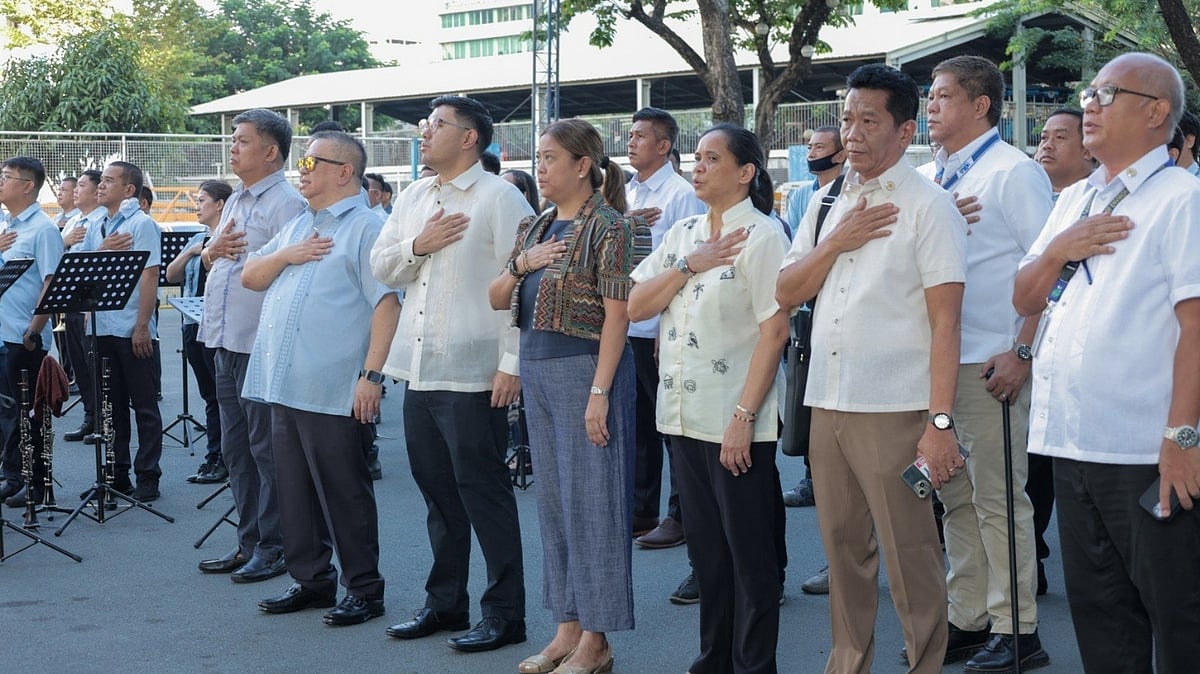
Makati City marks its 356th founding anniversary with a series of community-centered programs under Mayor Nancy Binay, highlighting public health initiatives, job fairs, youth empowerment, transport assistance, and citywide safety milestones that reflect its continued growth as the Philippines financial capital.
Source: Daily Tribune

AI News Q&A (Free Content)
Q1: What are the key public health initiatives currently implemented in Makati City?
A1: Makati City has launched an integrated 24/7 digital healthcare system, providing free services such as unlimited dialysis and chemotherapy treatments, full hospitalization, and 24/7 video and voice consultations through KonsultaMD. This initiative is part of a broader effort to enhance healthcare access for city employees and Yellow Card holders, supported by a Virtual Queuing Management System for efficient patient appointments.
Q2: How has Makati City addressed youth empowerment within its community-centered programs?
A2: Makati City has been focusing on empowering the youth through initiatives that include job fairs and educational programs aimed at skill development and economic productivity. These programs are designed to engage young citizens in constructive activities and prepare them for future employment opportunities.
Q3: What safety milestones have been achieved in Makati City as part of its growth strategy?
A3: Makati City has improved disaster resiliency, reduced crime and fire incidences, and enhanced social inclusiveness. The city invests heavily in social services and infrastructure to ensure a safe and secure environment, contributing to its reputation as a desirable location for business and residence.
Q4: What are the latest scholarly insights on public health initiatives in Southeast Asia, particularly in the context of antimicrobial resistance?
A4: A scoping review of antimicrobial resistance (AMR) interventions in ASEAN countries reveals fragmented implementation patterns with a significant focus on the human health sector. The review emphasizes the need for One Health integration and identifies gaps in evidence, highlighting the importance of synthesizing regional efforts to combat AMR effectively.
Q5: How do water and sanitation facilities correlate with non-partner sexual violence risks in low- and middle-income countries?
A5: A multilevel analysis across 31 low- and middle-income countries shows that inadequate access to water and sanitation facilities is associated with higher risks of non-partner sexual violence. The study calls for expanded WASH-related programs to prevent violence and empower women in these contexts.
Q6: What impact has Makati City's healthcare initiatives had on its senior citizen population?
A6: Makati City offers a variety of services for senior citizens, including free healthcare consultations, subsidized hospitalization, and diagnostic tests. The city provides additional benefits like free birthday cakes, movies, and cash gifts, aiming to improve the quality of life for its elderly residents.
Q7: What are the economic implications of Makati City's public health and social service programs?
A7: Makati City's substantial investment in health and social services, with a budget exceeding P4 billion, aims to improve public welfare and stimulate economic growth. These programs enhance the city's attractiveness as a business hub, contributing to its high GDP per capita and overall economic dynamism.
References:
- Mapping antimicrobial resistance interventions in ASEAN countries: a scoping review of implementation patterns, One Health integration, and evidence gaps
- Type of water and sanitation facilities and risk of non-partner sexual violence: A multilevel analysis across 31 low- and middle-income countries.